
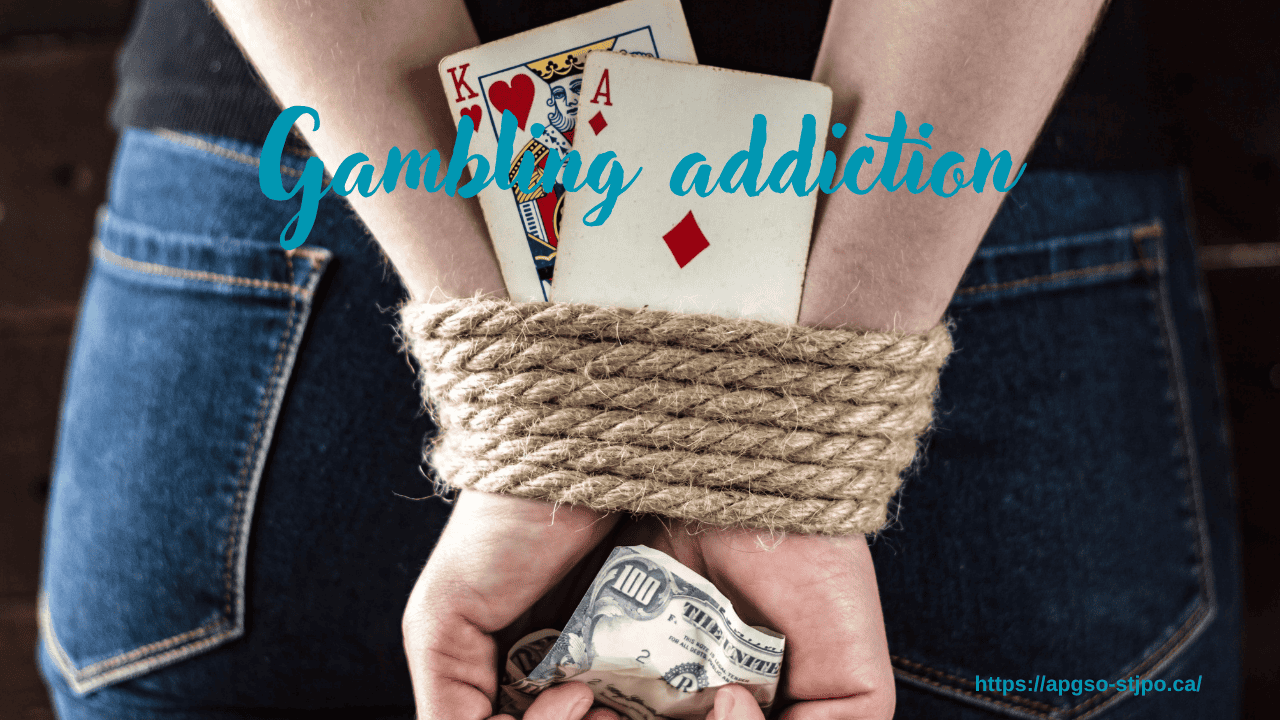
 Gambling addiction is often called the “hidden illness.” Unlike substance use, the physical signs are rarely visible. But the emotional, financial, and psychological damage it causes can be just as severe. Many individuals suffering from gambling addiction appear high-functioning on the outside, yet are silently battling an internal storm. At APGSO – STJPO, we believe that understanding and identifying the less obvious signs of gambling addiction is a powerful first step toward healing and recovery.
Why Gambling Addiction Often Goes Undetected
Gambling addiction, also known as gambling disorder, doesn’t always follow a predictable pattern. Because gambling is widely accepted as a form of entertainment, it’s easy for problematic behavior to be dismissed or overlooked. What makes this addiction particularly dangerous is how well it can be concealed. There are no physical symptoms, and many individuals become skilled at hiding financial losses, emotional distress, and time spent gambling.
By the time concerns arise, the addiction may already be deeply rooted. That’s why it’s essential to recognize subtle behavioral changes and emotional shifts that may signal a deeper issue.
Recognizing the Hidden Signs in Yourself or a Loved One
Preoccupation with Gambling
If someone talks constantly about gambling, regularly checks odds or gaming apps, or becomes obsessed with upcoming bets, this could point to a growing dependency. Even when not actively gambling, their mind may be consumed with it.
Hiding or Lying About Gambling Activities
Many people struggling with gambling addiction go to great lengths to cover up their behavior. They may lie about where they have been, downplay losses, or hide financial statements. Dishonesty around gambling is often a coping mechanism rooted in guilt or shame.
Sudden Financial Issues Without Explanation
One of the most common red flags is a noticeable change in financial behavior. This could include unpaid bills, frequent borrowing, missing funds, or selling personal items. When asked, the individual may offer vague or evasive explanations.
Emotional Highs and Lows
Gambling addiction is deeply tied to emotional volatility. Wins can bring euphoria, while losses lead to intense anger, anxiety, or depression. These mood swings may seem unrelated at first, but they are often tied to gambling outcomes.
Withdrawal from Social or Family Life
As addiction deepens, the person may isolate themselves. They may skip social events, avoid conversations about their behavior, or appear distant. This isolation is often a sign they are struggling to maintain a double life.
The Impact of Unnoticed Gambling Addiction
When gambling addiction remains hidden, the emotional toll can be devastating. Relationships break down. Mental health deteriorates. Financial security crumbles. And most heartbreakingly, many individuals feel stuck in a cycle of secrecy and shame that prevents them from seeking help.
At APGSO – STJPO, we understand that no two recovery journeys are the same. We offer personalized, holistic, and faith-based treatment options that address the full spectrum of a person’s needs—mind, body, and spirit. Whether through inpatient care, outpatient programs, or individual counseling, our compassionate team helps clients confront the roots of their addiction and rebuild their lives with dignity and hope.
When to Seek Help
If you recognize these signs in yourself or someone you love, it’s time to seek professional support. Gambling addiction is not a moral failure. It is a real, treatable mental health condition. And recovery is possible with the right care, community, and commitment.
Conclusion: Take the First Step Toward Healing
The quiet suffering of gambling addiction doesn’t have to continue. At APGSO – STJPO, we are here to listen, to support, and to walk beside you on the path to recovery. Don’t wait until the consequences feel unbearable. If you suspect a gambling problem, reach out today. Healing starts with a conversation. Together, we can help uncover the silent struggle and turn it into a story of strength, recovery, and renewed purpose.