
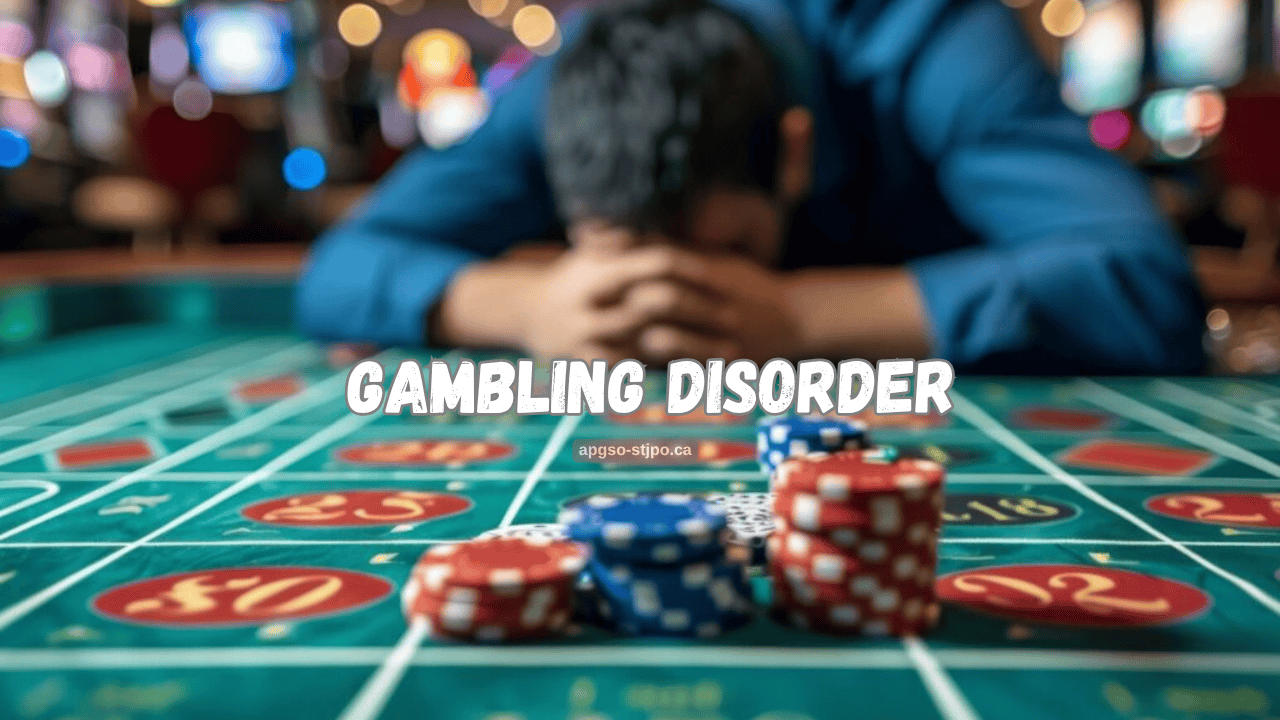
 Gambling often begins as a form of excitement, entertainment, or even social connection. For many, it remains just that. But for others, gambling can develop into a disorder that deeply affects mental health, relationships, and financial well-being. The shift from fun to harmful is not always obvious, which is why recognizing behavioral clues is so important. At APGSO – STJPO, we know that understanding the signs of gambling disorder is the first step toward recovery.
Why Gambling Disorder Is Difficult to Detect
Unlike substance-related addictions, gambling disorder leaves no physical traces. Instead, it often hides beneath changes in behavior, mood, and decision-making. People struggling with gambling often mask their difficulties, making it harder for loved ones to notice the problem. Identifying behavioral signs early can help individuals seek treatment before consequences escalate.
Key Behavioral Clues of Gambling Disorder
Preoccupation with Gambling
An individual may become consumed with thoughts of gambling. This includes planning the next game, reliving past bets, or feeling restless when gambling opportunities are limited.
Chasing Losses
A hallmark sign of gambling disorder is the urge to win back money after a loss. This creates a cycle of risk-taking that often worsens financial strain.
Secrecy and Concealment
Someone struggling may hide receipts, lie about where they have been, or avoid discussions about money. Secrecy often stems from feelings of guilt or fear of judgment.
Emotional Instability
Frequent mood swings, irritability, or heightened stress can indicate that gambling has become more than a pastime. Highs from wins and lows from losses take a toll on emotional health.
Neglect of Responsibilities
Gambling disorder can lead to missed deadlines at work, skipped family commitments, or neglect of personal health. When gambling takes priority over daily obligations, it is no longer recreational.
The Impact on Relationships and Daily Life
Behavioral changes do not only affect the individual. Families may experience financial tension, mistrust, and emotional distance. Friends may notice withdrawal from social activities. Over time, gambling disorder can cause isolation, financial instability, and significant mental health challenges such as anxiety or depression.
Why Compassionate Support Matters
Recognizing behavioral clues is only the first step. Addressing gambling disorder requires understanding, patience, and professional care. Many individuals carry shame or denial, making it difficult to seek help. Loved ones can make a difference by approaching the issue with compassion, encouraging open dialogue, and offering support rather than criticism.
How APGSO – STJPO Can Help
At APGSO – STJPO, we provide addiction recovery services, mental health treatment, inpatient and outpatient programs, and holistic, faith-based approaches. We know that recovery looks different for everyone, which is why our care is personalized and client-centered. By addressing not only the gambling behavior but also the emotional and spiritual needs of each individual, we help create a foundation for lasting change.
Taking the Next Step Toward Healing
When the bet goes too far, the consequences can ripple through every part of life. But recognizing behavioral clues of gambling disorder opens the door to hope and healing. If you see these signs in yourself or someone you love, do not wait until the damage is severe. Reach out to APGSO – STJPO today and begin the journey toward recovery, balance, and renewed strength.