
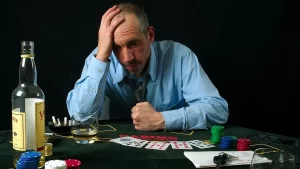
 Gambling addiction often develops quietly, making it difficult to recognize until the consequences become overwhelming. What may begin as occasional entertainment can gradually turn into a pattern of behavior that affects mental health, finances, relationships, and spiritual well-being. Understanding the symptoms of gambling addiction is an important first step toward recovery. At APGSO-STJPO, we believe that awareness, compassion, and personalized care can help individuals and families regain stability and hope.
Understanding Gambling Addiction
Gambling addiction, also known as gambling disorder, is a behavioral addiction marked by an inability to control gambling despite harmful outcomes. Unlike casual gambling, addiction interferes with daily responsibilities and emotional health. Many individuals struggle in silence due to shame or fear of judgment, which is why compassionate education is essential.
Why Gambling Addiction Often Goes Unnoticed
Gambling addiction does not always involve visible substance use or physical symptoms. Because of this, it can remain hidden longer than other forms of addiction. Online gambling, mobile apps, and private betting environments can further mask the severity of the issue.
Common Gambling Addiction Symptoms
Recognizing the warning signs early can help prevent deeper emotional and financial harm. Below are some of the most common symptoms associated with gambling addiction.
Emotional and Mental Health Symptoms
Gambling addiction often coexists with mental health challenges. Individuals may experience:
-
Anxiety or constant worry about money or gambling outcomes
-
Depression or feelings of hopelessness after losses
-
Irritability or mood swings when unable to gamble
-
Guilt or shame related to gambling behavior
Many people use gambling as a way to escape emotional pain, stress, or unresolved trauma, which can intensify these symptoms over time.
Behavioral Warning Signs
Changes in behavior are often among the earliest indicators of a gambling problem:
-
Preoccupation with gambling or planning the next opportunity
-
Increasing time or money spent gambling
-
Chasing losses in an attempt to recover money
-
Difficulty stopping or cutting back despite negative consequences
These behaviors can disrupt work, family life, and personal responsibilities.
Financial Symptoms
Financial instability is a major consequence of gambling addiction. Warning signs may include:
-
Unpaid bills or mounting debt
-
Borrowing money frequently or selling possessions
-
Hiding financial records or lying about spending
-
Sudden financial crises with no clear explanation
Financial stress often deepens emotional distress and can create conflict within families.
Relationship and Social Changes
Gambling addiction can strain even the strongest relationships. Symptoms may include:
-
Withdrawal from family, friends, or community activities
-
Increased secrecy or defensiveness
-
Conflict related to money or broken trust
-
Isolation to avoid questions or accountability
These changes can leave both the individual and their loved ones feeling disconnected and overwhelmed.
When Gambling Addiction and Mental Health Intersect
Many individuals struggling with gambling addiction also face co-occurring mental health conditions such as anxiety, depression, or trauma-related disorders. At APGSO-STJPO, we recognize that treating gambling addiction requires addressing the whole person, not just the behavior.
A Holistic and Individualized Approach to Healing
Effective recovery involves more than stopping gambling. Our programs integrate:
-
Mental health treatment to address emotional and psychological needs
-
Inpatient and outpatient care options based on individual circumstances
-
Holistic practices that support physical, emotional, and spiritual wellness
-
Faith-based support for those who find strength and purpose through spirituality
Each treatment plan is personalized, respectful, and centered on long-term healing.
When to Reach Out for Help
If you recognize these symptoms in yourself or a loved one, reaching out for support can feel daunting, but it is a courageous and life-changing step. Early intervention can prevent further harm and open the door to recovery.
Practical steps to take include:
-
Speaking with a trained addiction or mental health professional
-
Opening honest conversations with trusted family members or friends
-
Exploring structured treatment programs that address both addiction and mental health
-
Seeking a supportive environment that emphasizes compassion and accountability
Conclusion
Gambling addiction is complex, deeply personal, and often misunderstood. However, recovery is possible with the right support, understanding, and care. By recognizing the symptoms early and seeking help, individuals and families can begin the process of healing and restoration. At APGSO-STJPO, we are committed to walking alongside those affected by gambling addiction with compassion, respect, and individualized treatment. If you or someone you love is struggling, now is the time to reach out and take the first step toward a healthier and more hopeful future.