
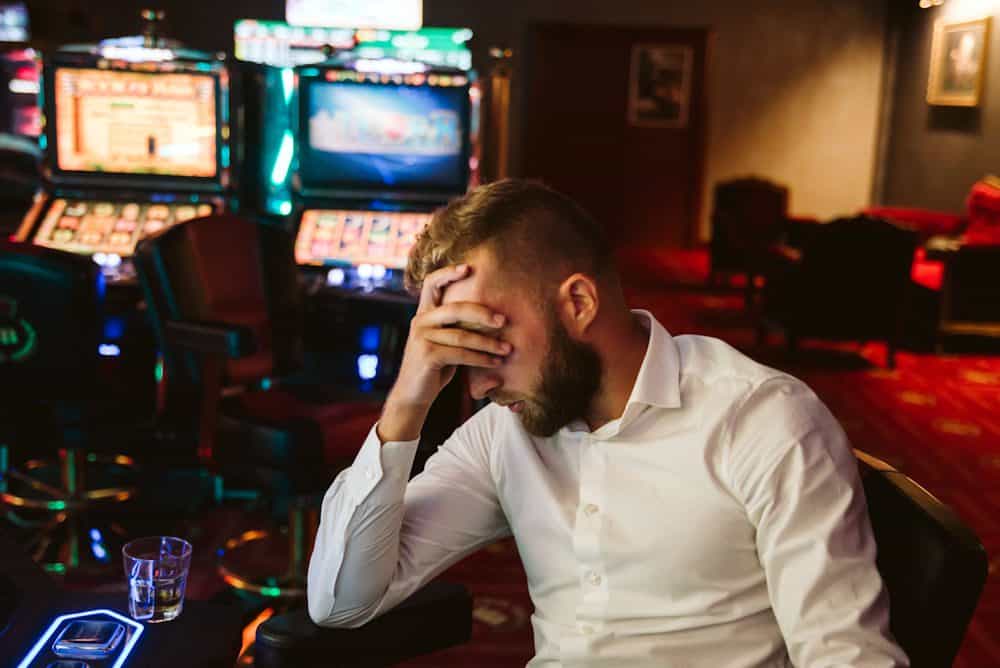
 Gambling can start as a harmless activity, but for some individuals, it can develop into a serious problem with far-reaching consequences. Recognizing the early signs of gambling addiction is essential for protecting mental health, relationships, and financial stability. At APGSO-STJPO, we provide compassionate, individualized care for those struggling with gambling and other behavioral addictions, offering professional support that integrates mental health treatment, holistic approaches, and faith-based guidance.
What is Gambling Addiction?
Gambling addiction, also called gambling disorder, is a behavioral condition marked by a persistent urge to gamble despite negative effects. Unlike casual gambling, addiction disrupts daily life, damages relationships, and may lead to financial hardship. The condition often develops gradually, making it difficult to detect until it has caused significant harm.
Why Gambling Addiction Happens
Several factors can contribute to the development of gambling addiction:
-
Emotional triggers: Stress, anxiety, depression, or trauma may lead individuals to gamble as a form of escape.
-
Biological and psychological factors: Some people may be more vulnerable to addictive behaviors due to genetics or personality traits.
-
Environmental influences: Easy access to gambling venues, online platforms, or social pressures can accelerate compulsive gambling.
Understanding these underlying causes is important for addressing gambling addiction effectively.
Signs of Problem Gambling
Recognizing problem gambling early can prevent long-term harm. Common warning signs include:
Emotional and Mental Health Symptoms
-
Persistent anxiety, irritability, or mood swings
-
Depression or feelings of hopelessness following losses
-
Using gambling to escape emotional pain or stress
Behavioral Indicators
-
Preoccupation with gambling or planning future bets
-
Chasing losses in an attempt to recover money
-
Inability to control gambling, even when intending to stop
-
Spending increasing amounts of time or money on gambling activities
Financial and Social Effects
-
Borrowing money or selling possessions to fund gambling
-
Unpaid bills or mounting debt
-
Hiding gambling activities or financial transactions
-
Withdrawal from friends, family, or social activities
These signs often appear gradually, making awareness and education crucial.
Finding Support for Gambling Addiction
If you recognize these symptoms in yourself or a loved one, reaching out for professional support is an important step toward recovery. APGSO-STJPO provides comprehensive services that address both behavioral addiction and mental health:
-
Inpatient and outpatient programs tailored to individual needs
-
Mental health support for co-occurring conditions such as anxiety or depression
-
Holistic approaches that incorporate wellness practices for emotional, physical, and spiritual health
-
Faith-based support for those seeking spiritual guidance and community
Our individualized care plans ensure clients receive support that respects their unique experiences and promotes long-term recovery.
Steps to Take Today
-
Contact a professional: Speak with a counselor or addiction specialist to evaluate your situation and explore options.
-
Communicate with loved ones: Sharing your concerns with family or trusted friends can provide emotional support and accountability.
-
Explore treatment options: Structured programs combine therapy, mental health care, and holistic practices to support recovery.
-
Educate yourself: Learn about gambling addiction, triggers, and coping strategies to empower your decisions.
Conclusion
Gambling addiction can quietly take control of a person’s life, but with awareness, support, and professional care, recovery is possible. At APGSO-STJPO, we are committed to helping individuals overcome addiction through compassionate, personalized programs that address both mental health and behavioral challenges. If you or someone you love is struggling with gambling, take the first step today and reach out to our team. Recovery begins with understanding, courage, and a willingness to seek help.