
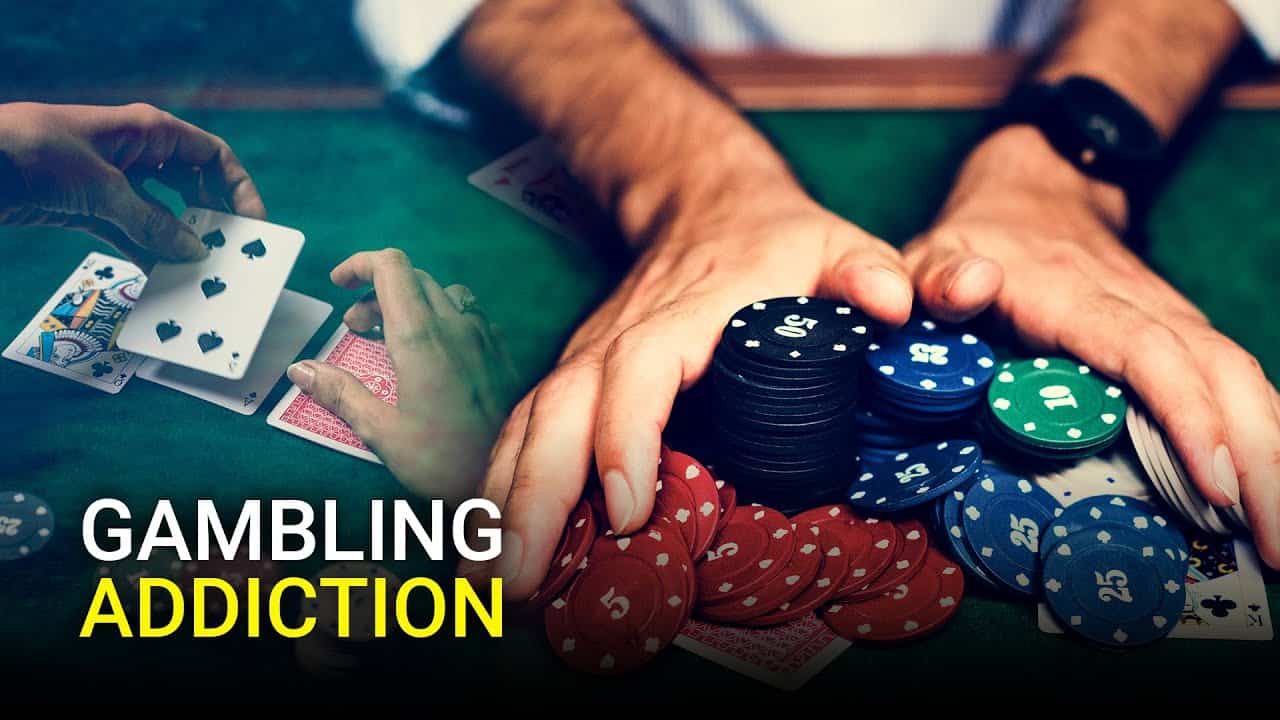
 Gambling addiction is often difficult to recognize, especially in its early stages. Unlike substance addictions, the effects may not be immediately visible, and individuals struggling with problem gambling often hide their behavior out of shame or fear. Understanding the hidden signs of gambling addiction can make a critical difference in seeking help before it escalates. At APGSO-STJPO, we provide compassionate, individualized care that combines mental health treatment, holistic approaches, and faith-based support to guide individuals toward lasting recovery.
What is Gambling Addiction?
Gambling addiction, also known as gambling disorder or compulsive gambling, is a behavioral addiction where the urge to gamble persists despite harmful consequences. This condition can affect anyone, regardless of age or background, and often develops gradually. Early awareness and intervention are essential for preventing financial strain, emotional distress, and relationship problems.
How Gambling Becomes a Hidden Problem
Many individuals do not realize they are developing a gambling problem because their behaviors may appear casual or socially acceptable at first. Online platforms, mobile apps, and social betting environments make it easier for gambling to remain private, which can mask the severity of the issue. Over time, compulsive patterns emerge that affect daily life and overall well-being.
Recognizing the Hidden Signs of Gambling Addiction
Spotting a gambling problem requires paying attention to subtle behavioral, emotional, and financial indicators that may otherwise go unnoticed.
Emotional and Mental Health Indicators
- Persistent anxiety or stress related to gambling outcomes
- Depression or low mood following losses
- Irritability, restlessness, or agitation when unable to gamble
- Using gambling as a way to escape difficult emotions or personal challenges
Behavioral and Social Warning Signs
- Preoccupation with gambling, including thinking about past bets or planning future games
- Difficulty controlling gambling behavior, even when intending to stop
- Chasing losses by continuing to gamble to recover money
- Withdrawal from friends, family, or social activities to spend more time gambling
- Increased secrecy or defensiveness about time spent or money used
Financial Red Flags
- Borrowing money from friends or family to gamble
- Accumulating debt or unpaid bills
- Selling personal items to fund gambling
- Concealing financial information or lying about spending
These hidden signs often develop gradually, which is why education and awareness are crucial for early intervention.
Seeking Support for Gambling Addiction
If you notice these warning signs in yourself or someone you care about, professional help is essential. At APGSO-STJPO, our comprehensive programs address both gambling addiction and mental health challenges through compassionate, individualized care.
Personalized Recovery Programs
Our approach focuses on treating the whole person, integrating:
- Inpatient and outpatient addiction recovery programs tailored to individual needs
- Mental health support for co-occurring conditions such as anxiety or depression
- Holistic practices promoting emotional, physical, and spiritual wellness
- Faith-based guidance for individuals seeking purpose and community
This integrated model helps clients build healthier coping strategies and create a foundation for long-term recovery.
Steps You Can Take Today
- Reach out to a professional: Speak with a counselor or addiction specialist to explore your options.
- Communicate with trusted family or friends: Supportive conversations provide accountability and emotional encouragement.
- Explore structured treatment programs: Combining therapy, mental health care, and holistic practices increases the likelihood of sustainable recovery.
- Educate yourself: Understanding gambling addiction and its triggers empowers informed decisions about recovery.
Conclusion
Gambling addiction can remain hidden for months or even years, quietly affecting mental health, finances, and relationships. Recognizing the warning signs early is the first step toward recovery. At APGSO-STJPO, we are committed to helping individuals overcome gambling addiction through compassionate, personalized care that addresses both behavioral and mental health needs. If you or a loved one is struggling with gambling, reach out to our team today. Recovery is possible, and support is available every step of the way.