
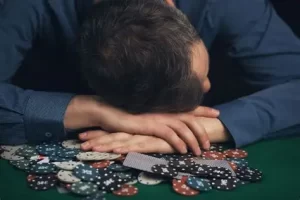
 Most people associate gambling addiction with severe financial loss or frequent trips to the casino. In reality, the earliest signs often appear long before these obvious consequences develop. Small changes in behavior, emotions, and daily habits can quietly signal that gambling is becoming more than just entertainment. Recognizing these early warning signs is one of the most effective ways to prevent the addiction from progressing and to seek support before lasting damage occurs. At APGSO-STJPO, we believe that recovery begins with understanding. Through compassionate, individualized addiction recovery and mental health treatment, we help people identify the root causes of gambling addiction and build a healthier path forward.
Understanding How Gambling Addiction Develops
Gambling addiction, also known as gambling disorder, is a behavioral addiction that causes an individual to continue gambling despite harmful consequences. Like other forms of addiction, it develops gradually rather than all at once.
Many people begin gambling for enjoyment, social interaction, or excitement. Over time, however, gambling may become a way to cope with stress, anxiety, loneliness, or other emotional challenges. As this pattern continues, behavioral changes often become the first noticeable indicators that the activity is no longer under control.
Why Behavioral Changes Matter
Behavior reflects what is happening beneath the surface. When gambling begins affecting everyday choices, routines, and relationships, it is often a sign that deeper emotional and psychological struggles are developing.
Recognizing these changes early allows individuals and families to seek help before financial hardship, relationship conflict, and declining mental health become more severe.
Behavioral Changes That May Signal Gambling Addiction
The following warning signs do not always mean someone has a gambling addiction. However, when several of these behaviors occur consistently, professional support may be beneficial.
Gambling Becomes a Priority
One of the earliest signs is when gambling starts taking precedence over other responsibilities and interests.
This may include:
- Spending increasing amounts of time gambling
- Cancelling personal plans to gamble
- Losing interest in hobbies once enjoyed
- Thinking about gambling throughout the day
When gambling begins replacing meaningful activities, it often indicates a growing loss of balance.
Difficulty Following Personal Limits
Many individuals initially set limits for how much time or money they will spend gambling. As addiction develops, those limits become increasingly difficult to maintain.
Examples include:
- Staying longer than originally planned
- Spending more money than intended
- Continuing to gamble despite repeated promises to stop
- Feeling unable to walk away after losses
These behaviors often reflect a loss of control rather than poor decision making.
Chasing Financial Losses
After losing money, many people with gambling addiction believe they can recover their losses by continuing to gamble.
This behavior often leads to:
- Larger financial losses
- Greater emotional stress
- Increasing frustration
- A repeating cycle that becomes difficult to escape
Recognizing this pattern early is essential because it frequently marks the transition from recreational gambling to compulsive behavior.
Emotional Changes That Accompany Gambling Addiction
Behavioral changes are usually connected to emotional shifts that may become increasingly noticeable over time.
Gambling as an Emotional Escape
Instead of gambling for enjoyment, individuals may begin gambling to avoid difficult emotions such as:
- Stress
- Anxiety
- Sadness
- Loneliness
- Frustration
Although gambling may provide temporary distraction, it does not resolve these underlying concerns and often makes them more difficult to manage.
Mood Depends on Gambling
Another warning sign is when emotional well being becomes closely connected to gambling outcomes.
Individuals may experience:
- Excitement after wins
- Irritability when unable to gamble
- Anxiety during financial losses
- Guilt or shame after gambling sessions
These emotional fluctuations often become more intense as the addiction progresses.
Financial and Social Changes
As gambling behavior increases, changes often extend into finances and relationships.
Financial Warning Signs
Some common indicators include:
- Borrowing money more frequently
- Missing bill payments
- Using savings for gambling
- Accumulating debt
- Hiding financial transactions
Financial stress can become one of the strongest drivers that keeps the addiction cycle going.
Relationship Changes
Loved ones may notice:
- Increased secrecy
- Withdrawal from family and friends
- Broken promises
- Conflict over finances
- Less participation in family activities
These changes often occur because gambling begins consuming both emotional energy and personal attention.
Why Mental Health Treatment Is Essential
Many individuals living with gambling addiction also experience anxiety, depression, trauma, or chronic stress. Without addressing these underlying conditions, recovery can become much more difficult.
At APGSO-STJPO, we believe effective treatment should support every aspect of a person’s well being.
Our Comprehensive Approach to Recovery
Our individualized treatment programs include:
- Inpatient addiction recovery services
- Outpatient treatment options
- Mental health care for co-occurring conditions
- Holistic therapies that encourage emotional, physical, and spiritual wellness
- Faith-based support for individuals who wish to include spiritual guidance in their recovery
Every person receives a personalized treatment plan designed to address both the addiction and its underlying causes.
Recovery Begins With Early Action
Many people delay asking for help because they believe the problem is not serious enough. However, gambling addiction responds best when treatment begins early.
Seeking support can help individuals:
- Regain financial stability
- Improve emotional health
- Strengthen relationships
- Develop healthy coping skills
- Build confidence for long term recovery
There is no need to wait until gambling creates a crisis before reaching out for professional guidance.
Conclusion
The early signs of gambling addiction often appear through subtle changes in behavior, emotions, and daily routines. When gambling begins replacing healthy activities, affecting relationships, creating financial stress, or becoming a way to cope with emotional pain, it is time to take those changes seriously. At APGSO-STJPO, we provide compassionate, individualized addiction recovery and mental health treatment that supports healing of the mind, body, and spirit. If you or someone you love is experiencing these warning signs, reaching out today can be the first step toward lasting recovery, renewed hope, and a healthier future.