
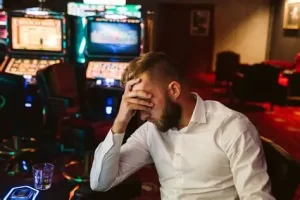
 Gambling can start innocently. A friendly wager, a lottery ticket, a night at the casino, or a few sports bets may seem like harmless entertainment. The concern begins when gambling gradually becomes harder to control or starts taking priority over other parts of life. Gambling addiction often develops quietly, with small changes in behavior appearing before major consequences become obvious. Recognizing these early signs can help a person seek support before financial stress, relationship problems, and emotional distress become overwhelming. At APGSO-STJPO, a compassionate and individualized approach to addiction recovery and mental health treatment can help people understand what is driving problem gambling and develop healthier ways to cope.
What Is Gambling Addiction?
Gambling addiction, also called gambling disorder, is a behavioral addiction involving a persistent urge to gamble despite negative consequences. Unlike recreational gambling, problem gambling can create a growing sense of lost control.
A person may continue gambling even when it affects their finances, relationships, work, emotional health, or responsibilities. Importantly, gambling addiction is not simply a matter of lacking willpower. It can involve changes in reward, decision making, and emotional regulation, and professional treatment can provide meaningful support.
Recreational Gambling vs. Problem Gambling
Recreational gambling usually has clear limits. A person can decide how much time and money to spend and walk away when those limits are reached.
Problem gambling tends to look different. Gambling gradually becomes more important, while other priorities receive less attention.
Consider these questions:
- Do you spend more time gambling than you originally intended?
- Are you spending more money than you can comfortably afford?
- Do you think about gambling throughout the day?
- Have you tried to stop or cut back without success?
- Do you gamble when you are stressed, anxious, lonely, or upset?
- Have you hidden gambling or losses from people close to you?
- Has gambling created financial or relationship problems?
One sign alone does not necessarily mean someone has a gambling addiction. However, several of these patterns together deserve attention.
Early Signs of Gambling Addiction
Recognizing gambling addiction early is important because the behavior can become progressively more difficult to control. The first signs may seem relatively minor, but they can reveal a significant shift in priorities.
Gambling Starts Taking Up More Mental Space
One of the earliest signs is preoccupation with gambling.
Someone may begin:
- Thinking about the next opportunity to gamble
- Checking betting odds or gambling platforms frequently
- Planning their schedule around gambling
- Thinking repeatedly about previous wins or losses
- Looking for ways to obtain more money to gamble
When gambling occupies an increasing amount of mental energy, it may be moving beyond entertainment.
You Spend More Time or Money Gambling
Another warning sign is gradually increasing the amount of time or money devoted to gambling.
For example, someone may initially plan to spend a small amount but continue playing after reaching that limit. Over time, gambling sessions may become longer, bets may become larger, and opportunities to gamble may become more frequent.
Because this progression can happen slowly, it may be difficult to recognize without deliberately looking at changes in behavior.
You Have Trouble Stopping
A particularly important warning sign is wanting to stop but repeatedly finding yourself gambling again.
You might tell yourself that you will take a break, only to return to gambling when you feel stressed, bored, or tempted by another opportunity. Repeated unsuccessful attempts to control gambling suggest that professional support may be beneficial.
This is not a reason to feel ashamed. It is a reason to take the situation seriously.
Chasing Losses Can Signal a Growing Problem
One of the most recognizable signs of problem gambling is chasing losses.
After losing money, a person may believe that another bet will allow them to recover what they lost. This can create a cycle in which losses lead to more gambling, which can result in even greater losses.
Why Chasing Losses Is Dangerous
The belief that one more win can fix previous losses can become increasingly powerful. Someone may start borrowing money, using credit cards, withdrawing savings, or concealing financial activity.
Instead of resolving the original problem, continued gambling often creates additional financial and emotional pressure.
Recognizing the pattern early can make it easier to interrupt the cycle and seek appropriate treatment.
Emotional Changes Can Be Early Warning Signs
Gambling addiction affects more than finances. Emotional changes may appear before loved ones recognize the extent of the gambling behavior.
Gambling Becomes a Way to Cope
Some people gradually begin gambling to escape uncomfortable emotions rather than simply for entertainment.
Gambling may become a way to temporarily avoid:
- Stress
- Anxiety
- Depression
- Loneliness
- Frustration
- Boredom
- Relationship difficulties
The temporary distraction can feel rewarding. However, it does not address the underlying emotional issue. Over time, gambling can contribute to greater anxiety, guilt, shame, and distress.
Your Mood Depends on Gambling
Another warning sign is experiencing significant emotional changes based on gambling.
For example, a person may feel excited after winning but become irritable or anxious when they cannot gamble. They may also experience guilt or shame after losing money.
When gambling begins influencing emotional stability, it is worth considering whether professional support is needed.
Watch for Changes in Relationships and Daily Responsibilities
Gambling addiction can gradually affect the people and activities that matter most.
Secrecy Around Gambling
A person experiencing gambling problems may begin hiding:
- How often they gamble
- How much they spend
- Gambling accounts
- Financial statements
- Debts or losses
They may also become defensive when someone asks about gambling.
Secrecy often develops because of embarrassment, fear, or shame. For families, responding with compassion rather than criticism can make it easier for someone to acknowledge the problem.
Important Responsibilities Are Neglected
As gambling becomes more important, everyday responsibilities may receive less attention.
Warning signs can include:
- Missing work or school obligations
- Cancelling plans with family and friends
- Neglecting household responsibilities
- Losing interest in previous hobbies
- Spending increasing amounts of time alone gambling
These changes can indicate that gambling is beginning to interfere with normal life.
Gambling Addiction and Mental Health
Gambling problems and mental health concerns can occur together. Anxiety, depression, trauma, chronic stress, and other emotional difficulties may contribute to unhealthy gambling patterns. At the same time, the consequences of gambling can make those concerns worse.
For that reason, effective recovery should look beyond the gambling behavior itself.
Addressing the Person Behind the Addiction
Individualized treatment can help explore the circumstances and emotional patterns that contribute to compulsive gambling. Treatment may address triggers, coping skills, relationships, emotional health, and relapse prevention.
A whole person approach can include addiction recovery, mental health care, counseling, holistic wellness practices, and faith-based support when that approach aligns with the individual’s beliefs and preferences. APGSO-STJPO’s website emphasizes individualized care alongside inpatient and outpatient treatment, mental health support, holistic approaches, and faith-based support.
When Should You Seek Help?
You do not have to wait until gambling causes a financial crisis or damages important relationships before asking for help.
Consider reaching out for professional support if:
- You cannot consistently control your gambling
- You repeatedly try to stop and return to gambling
- You chase losses
- Gambling interferes with work, family, or other responsibilities
- You borrow money or accumulate debt to gamble
- You hide gambling from people close to you
- Gambling has become your primary way of handling difficult emotions
Early intervention can provide an opportunity to address unhealthy patterns before they become more deeply established.
Recovery Is Possible With the Right Support
Recognizing gambling addiction is not about labeling someone or assigning blame. It is about understanding what has changed and identifying what needs to change next.
Treatment can help individuals identify gambling triggers, develop healthier coping strategies, address co-occurring mental health concerns, rebuild relationships, establish healthier boundaries, and create a plan for maintaining recovery.
Depending on a person’s needs, inpatient care can provide a structured environment for intensive recovery, while outpatient treatment may allow someone to receive support while continuing to manage work, family, or other responsibilities.
A Personalized Path Forward
There is no single reason why someone develops a gambling addiction, so recovery should not rely on a one-size-fits-all solution. A personalized approach considers the individual’s experiences, mental health, relationships, strengths, and recovery goals.
Holistic care can also encourage healing beyond the immediate gambling behavior by supporting emotional, physical, and spiritual well-being.
Conclusion
Gambling becomes a problem when it begins taking control away from the person who is gambling. Increasing preoccupation, spending more time or money, difficulty stopping, chasing losses, emotional changes, secrecy, financial pressure, and neglected responsibilities are all signs worth taking seriously.
The good news is that recognizing these changes early creates an opportunity to act. Gambling addiction is treatable, and asking for help is not a failure. It is a practical step toward regaining control and rebuilding a healthier life.
If gambling is beginning to affect your finances, emotional well-being, relationships, or daily responsibilities, consider reaching out for professional addiction recovery and mental health support. With compassionate, individualized care, healthier coping strategies, and the right level of treatment, recovery can become a realistic path forward.