
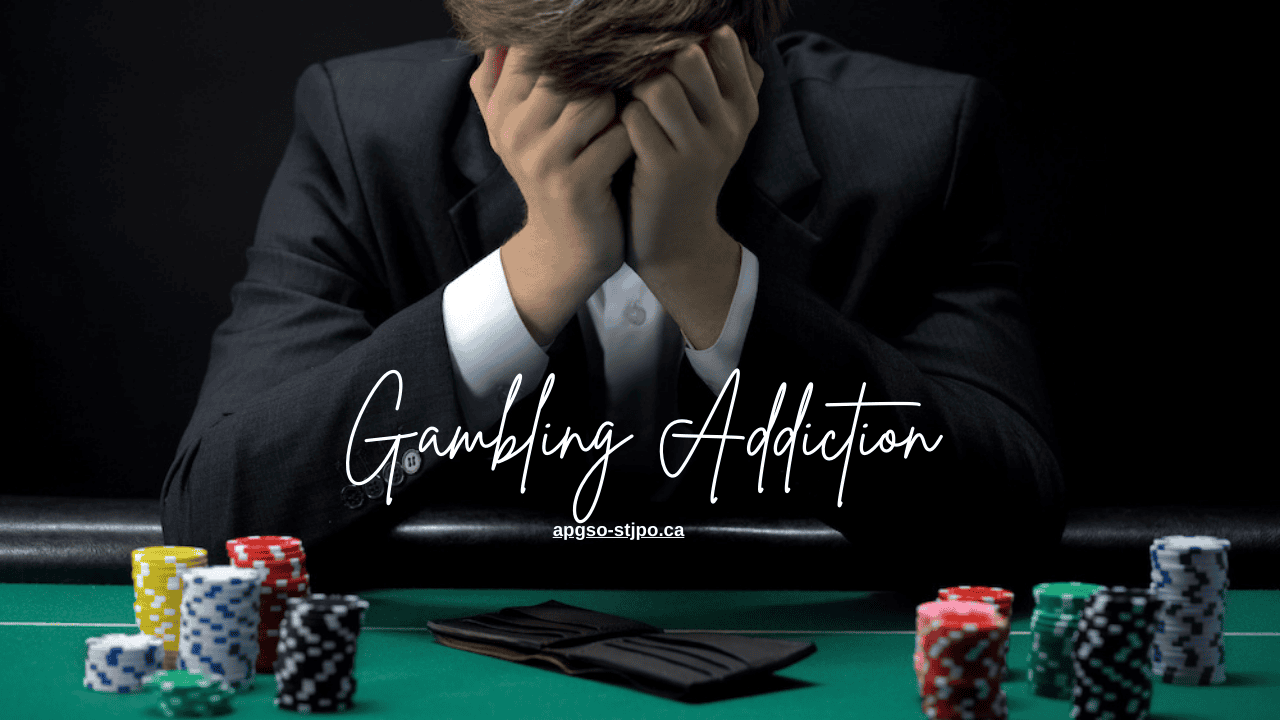
 Gambling can begin as a harmless pastime, but for many people it can quietly grow into a serious addiction that affects mental health, relationships, and financial stability. Because the early signs of gambling disorder often go unnoticed, individuals and their loved ones may not recognize the problem until it has already caused deep emotional and financial harm. At APGSO – STJPO, we understand the hidden struggles of gambling addiction and believe that awareness is the first step toward healing.
What Makes Gambling Addiction Different
Unlike other addictions, gambling does not leave obvious physical traces. There are no bottles or paraphernalia to discover, and many individuals can continue their daily lives while struggling privately. This makes gambling addiction one of the hardest conditions to detect early. Yet the impact can be devastating, leading to mounting debt, broken trust, and emotional turmoil.
Recognizing the red flags can help you or someone you care about seek support before the problem grows more severe.
Key Warning Signs of Gambling Addiction
Preoccupation with Gambling
A person may spend an increasing amount of time thinking about gambling, planning the next game, or reliving past wins and losses. This mental preoccupation can overshadow other responsibilities and relationships.
Chasing Losses
One of the strongest indicators of gambling addiction is the urge to win back money that has been lost. Instead of stopping after a setback, the person feels compelled to continue gambling, often leading to greater losses.
Hiding Behavior or Lying About Gambling
Many people with gambling disorder try to conceal their activities. They may lie about where they have been, minimize the amount of money spent, or avoid discussing finances altogether.
Financial Struggles Without Clear Explanation
Sudden money problems, borrowing from friends or family, missing payments, or selling belongings can all point to hidden gambling behavior. These issues are often accompanied by secrecy or defensiveness.
Emotional Highs and Lows
Winning may bring bursts of excitement, while losses trigger deep frustration, anxiety, or even depression. Over time, these mood swings can strain mental health and relationships.
Withdrawal from Loved Ones
As gambling becomes more central in a person’s life, social and family interactions may suffer. Isolation is often an attempt to avoid questions or judgment.
The Hidden Impact of Ignoring the Signs
Unchecked gambling addiction can lead to severe consequences. Families may face broken trust, financial instability, and emotional pain. Individuals may develop depression, anxiety, or feelings of hopelessness. The longer it goes untreated, the harder it becomes to recover without professional help.
At APGSO – STJPO, we offer addiction recovery services that are compassionate, holistic, and individualized. Whether through inpatient care, outpatient programs, counseling, or faith-based approaches, our goal is to meet each person where they are and provide the tools they need for lasting recovery.
When to Seek Help
If you recognize these warning signs in yourself or someone you love, it is important not to wait. Gambling addiction is not a weakness or a moral failure. It is a real, treatable condition, and seeking support is the first step toward change.
Take Control of the Story
Gambling addiction can feel like a silent battle, but you do not have to face it alone. By recognizing the warning signs early, you can take meaningful steps toward recovery and healing. At APGSO – STJPO, our caring team is ready to walk with you on this journey. If you or a loved one is struggling, reach out today and begin the process of reclaiming hope, stability, and peace of mind.