
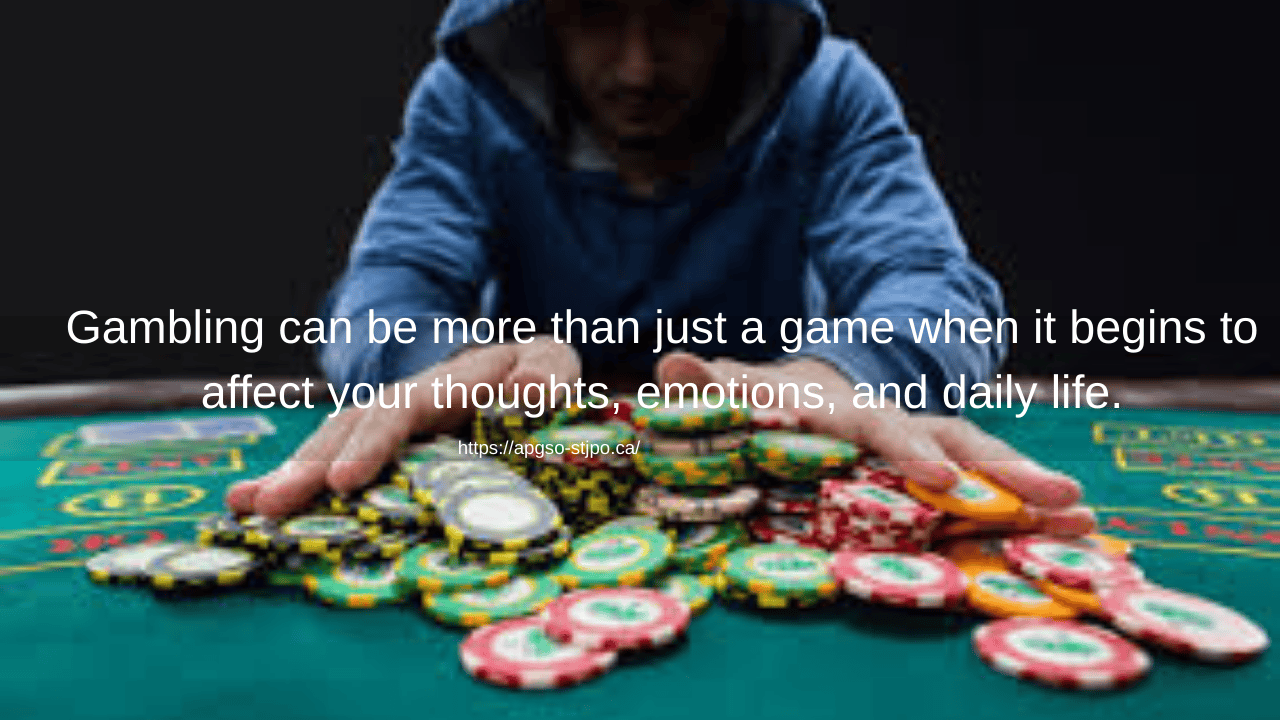
Gambling can be an enjoyable activity when done in moderation. A casual bet on a sporting event or playing a card game with friends can provide entertainment and excitement. However, for some, what starts as harmless fun can develop into a serious gambling problem that affects mental health, relationships, and financial stability. Detecting gambling issues early is essential to prevent long-term consequences and begin the journey toward recovery. At APGSO – STJPO, we help individuals and families recognize the warning signs and access compassionate, holistic treatment.
Understanding Early Gambling Problems
Gambling disorder often develops gradually, making it difficult to recognize in the early stages. Unlike substance addiction, the physical signs are not obvious, and many individuals can maintain their daily routines while hiding their struggles. Early detection depends on identifying behavioral, emotional, and financial patterns that suggest gambling has moved beyond casual entertainment.
H3: Increasing Preoccupation with Gambling
A key early sign is persistent thoughts about gambling. This includes planning bets, checking odds, or replaying past wins and losses. When gambling occupies a significant amount of mental energy, it may indicate an emerging problem.
H3: Chasing Losses
Another warning sign is the urge to recover lost money. A person may continue gambling after losing, believing that the next bet will solve the problem. Chasing losses is a common early behavior that can quickly escalate into deeper financial difficulties.
H3: Hiding Gambling Activities
Individuals with early gambling problems may start hiding their behavior. This can include lying about the amount of time spent gambling, concealing financial losses, or avoiding discussions about money. Secrecy often comes from guilt or fear of judgment.
H3: Emotional and Mood Changes
Gambling can cause noticeable emotional fluctuations. Wins may bring elation, while losses can trigger frustration, anxiety, or irritability. Early emotional shifts may appear minor but can signal growing reliance on gambling for emotional regulation.
H3: Neglecting Responsibilities
Even at an early stage, gambling can interfere with work, school, or family obligations. Missing deadlines, neglecting household tasks, or skipping social events may be signs that gambling is taking priority over everyday life.
The Importance of Early Intervention
Addressing gambling problems early is crucial. Left unchecked, gambling disorder can lead to severe emotional, financial, and relational consequences. Early intervention allows for support and treatment before the problem escalates. At APGSO – STJPO, we provide individualized and holistic care, including inpatient and outpatient programs, mental health treatment, counseling, and faith-based approaches. Our programs are designed to treat the whole person, not just the addiction.
H3: How to Take the First Step
If you notice early signs of gambling problems in yourself or a loved one, reach out for professional help. A compassionate counselor can assess the situation, provide coping strategies, and develop a personalized recovery plan. Support groups, therapy sessions, and structured treatment programs are effective ways to regain control and prevent further harm.
Conclusion: Recognize the Signs and Take Action
Gambling can be more than just a game when it begins to affect your thoughts, emotions, and daily life. Recognizing early warning signs is the first step toward recovery and long-term well-being. At APGSO – STJPO, our team is committed to helping individuals identify gambling problems early and access tailored treatment solutions. If you or a loved one are showing signs of a gambling problem, do not wait. Reach out today and take the first step toward healing, stability, and a brighter future.