
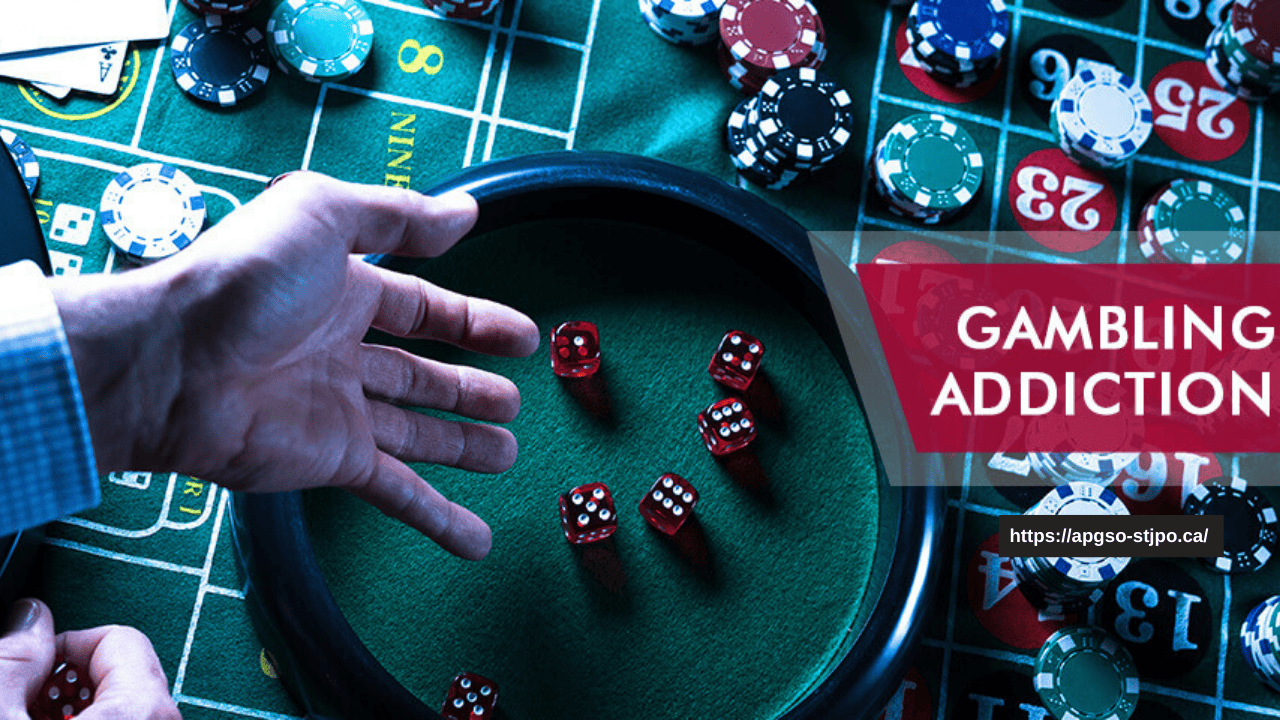
 For many people, gambling begins as a form of entertainment. A lottery ticket, a friendly card game, or placing a bet on a sporting event can feel harmless and exciting. But when the occasional thrill turns into a persistent need, gambling can shift from fun to harmful. The transition is often gradual, and the early signs are subtle. At APGSO – STJPO, we believe that understanding and recognizing these warning signs is essential to preventing long-term consequences and guiding individuals toward recovery.
Why Gambling Addiction Often Goes Unnoticed
Gambling addiction, or gambling disorder, is sometimes called a hidden illness. Unlike substance use disorders, there are no obvious physical symptoms. Many individuals can maintain the appearance of normalcy while quietly struggling with urges, mounting debt, and emotional distress. Because of this, gambling addiction often progresses unnoticed until the consequences become severe.
The good news is that early recognition can make all the difference. When family members, friends, or individuals themselves notice subtle changes, intervention and treatment can begin sooner, improving outcomes.
Subtle Signs to Watch For
Preoccupation with Gambling
When gambling becomes a dominant thought throughout the day, it is no longer just entertainment. Constantly thinking about bets, replaying wins and losses, or planning the next opportunity to gamble are signs of growing dependency.
Shifts in Mood and Behavior
Emotional highs from wins and deep frustration or irritability from losses are common early indicators. Mood swings that seem unrelated to daily life may, in fact, be connected to gambling activity.
Secrecy and Concealment
A person experiencing gambling problems may begin hiding receipts, avoiding conversations about money, or lying about where they have been. This secrecy is often rooted in shame or fear of judgment.
Financial Irregularities
Unexplained withdrawals, borrowing money, or struggling to cover regular expenses despite steady income can signal an emerging gambling problem. These financial clues are often among the first noticed by family members.
Neglect of Responsibilities
Skipping social events, neglecting household tasks, or showing a decline in work or academic performance are warning signs that gambling is beginning to take priority over daily responsibilities.
The Impact of Ignoring Early Signs
Left unchecked, gambling addiction can deeply affect mental health, relationships, and financial stability. Stress and shame can lead to anxiety, depression, and even feelings of hopelessness. Families may experience broken trust, while financial problems can spiral into overwhelming debt. Recognizing the signs early allows individuals to seek support before these consequences take hold.
Compassionate Help and Holistic Healing
At APGSO – STJPO, we understand that every journey to recovery is unique. Our services include addiction recovery programs, mental health treatment, inpatient and outpatient care, and holistic, faith-based approaches. We take a client-centered perspective, treating not only the symptoms of addiction but also the underlying causes that contribute to it. Our goal is to restore balance, healing, and hope for individuals and their families.
Take Action Before Harm Grows
What begins as fun can quietly turn into harm if the subtle signs of gambling addiction are overlooked. By paying attention to early warning signals, you can help yourself or a loved one seek help before the problem escalates. At APGSO – STJPO, we are here to walk with you through recovery with compassion, understanding, and individualized care. If you see these signs in yourself or someone you love, reach out today and take the first step toward healing and a brighter future.