
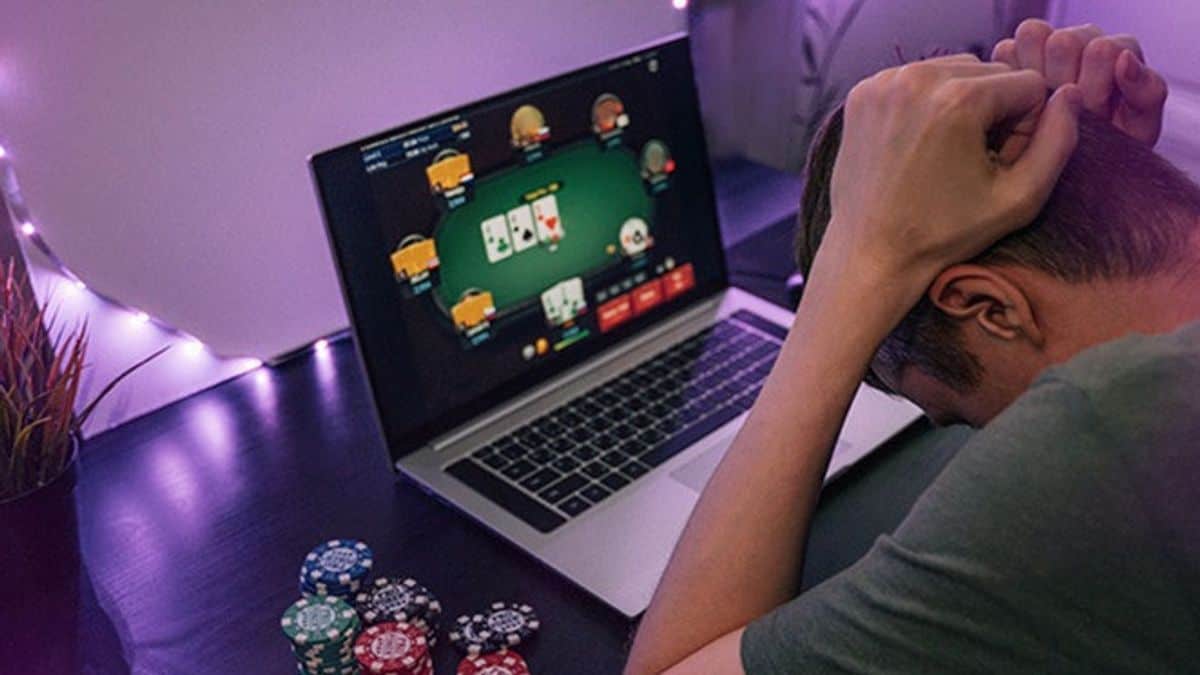
 Gambling can be an enjoyable form of entertainment when it remains occasional, affordable, and within a person’s control. The concern begins when gambling starts influencing important decisions, emotional well-being, finances, relationships, or everyday responsibilities. Gambling addiction does not always announce itself through dramatic losses or an obvious crisis. Instead, the line between recreational gambling and problem gambling can be crossed gradually. Recognizing the changes early can make it possible to seek support before the consequences become more serious. For individuals and families affected by gambling addiction, compassionate addiction recovery and mental health care can provide the guidance, understanding, and personalized support needed to move toward lasting change.
What Does Problem Gambling Look Like?
Problem gambling occurs when gambling begins causing meaningful harm or when a person has increasing difficulty controlling the behavior. A person may continue gambling even after experiencing financial difficulties, relationship conflict, emotional distress, or problems at work.
It is important to understand that gambling addiction is not simply a matter of poor choices. Gambling disorder is a recognized behavioral health condition. Like other addictions, it can affect decision making, emotional regulation, and the brain’s reward system.
Recreational Gambling vs. Problem Gambling
Recreational gambling generally involves clear boundaries. A person decides how much time and money to spend and can walk away without significant distress.
Problem gambling may look very different. Gambling can become increasingly important, while other areas of life receive less attention.
Ask yourself:
- Can I stop gambling when I intend to?
- Am I spending more money than I planned?
- Do I feel anxious or restless when I cannot gamble?
- Have I tried to cut back and been unsuccessful?
- Am I hiding gambling from people close to me?
- Has gambling caused financial or relationship problems?
- Do I gamble to escape stress or difficult emotions?
The more frequently these concerns occur, the more important it becomes to consider professional support.
Signs That Gambling Has Crossed the Line
The warning signs of gambling addiction can appear in several areas of life. Looking at the overall pattern is often more useful than focusing on one isolated behavior.
Gambling Takes Up More Mental Space
One early indication is increased preoccupation with gambling.
You may find yourself:
- Thinking about gambling throughout the day
- Planning your next opportunity to gamble
- Checking betting odds or gambling platforms repeatedly
- Thinking about how to obtain money for gambling
- Reliving previous wins or losses
When gambling occupies a growing amount of mental energy, it may be becoming difficult to maintain a healthy balance.
You Keep Increasing the Stakes
Another warning sign is needing to gamble with larger amounts of money to experience the same excitement.
What once felt satisfying may no longer provide the same level of stimulation. As a result, a person may gradually increase bets or gamble more frequently.
This progression can happen so slowly that the change is difficult to recognize until financial problems begin to appear.
You Try to Stop but Cannot
Wanting to cut back is different from being able to cut back.
Repeated attempts to stop or reduce gambling that do not last can indicate a loss of control. Someone may promise themselves that they will not gamble again, only to return to gambling after experiencing stress, boredom, or an opportunity to place another bet.
This is not a reason for shame. It is a reason to consider professional help.
Chasing Losses Is a Major Warning Sign
One of the clearest indicators of problem gambling is chasing losses.
After losing money, a person may believe that another bet can recover what was lost. This can create a dangerous cycle in which increasingly large amounts are wagered in an attempt to return to financial stability.
Why Chasing Losses Can Become a Cycle
The thought process may sound simple: “If I win the next time, I can make everything right.”
Unfortunately, another loss can lead to an even stronger desire to continue. The individual may then borrow money, use credit, withdraw savings, or hide financial activity.
Recognizing this cycle early can help prevent escalating financial and emotional consequences.
Emotional Changes Can Reveal a Problem
Gambling addiction is not only about money. Emotional changes can be among the earliest signs that something is wrong.
Gambling Becomes an Escape
Some people begin gambling because they enjoy the excitement. Others gradually use it to escape uncomfortable feelings.
Gambling may become a way to temporarily avoid:
- Anxiety
- Loneliness
- Depression
- Stress
- Boredom
- Relationship problems
Although the distraction may feel helpful in the moment, the underlying emotional concerns remain unresolved. Over time, gambling can create additional guilt, anxiety, and distress.
Mood Changes Become More Frequent
Problem gambling may also be associated with irritability, restlessness, guilt, shame, or anxiety.
For example, a person may feel unusually frustrated when they cannot gamble or experience significant emotional highs and lows based on gambling outcomes.
These changes deserve attention, particularly when they begin affecting relationships or daily responsibilities.
Watch for Changes in Relationships and Responsibilities
Loved ones may notice the problem before the person gambling recognizes it.
Secrecy and Dishonesty
A person struggling with gambling may begin hiding:
- How often they gamble
- How much money they spend
- Financial statements
- Gambling accounts
- Losses or debts
They may minimize the seriousness of the behavior or avoid conversations about money altogether.
Secrecy is often connected to shame. Responding with compassion rather than judgment can make it easier for someone to accept help.
Important Responsibilities Are Neglected
As gambling becomes a priority, other responsibilities may receive less attention.
Warning signs can include:
- Missing work or school obligations
- Neglecting household responsibilities
- Cancelling plans with family and friends
- Losing interest in hobbies
- Spending less quality time with loved ones
These changes can signal that gambling is beginning to interfere with everyday life.
When Mental Health and Gambling Addiction Overlap
Gambling addiction frequently occurs alongside mental health concerns. Anxiety, depression, trauma, chronic stress, and other emotional difficulties may contribute to compulsive gambling or become worse as gambling problems develop.
For this reason, effective recovery should look beyond the gambling behavior itself.
Why Individualized Treatment Matters
There is no single explanation for why someone develops a gambling addiction. Treatment should therefore consider the person’s history, mental health, relationships, environment, strengths, and recovery goals.
A comprehensive approach may include addiction treatment, mental health support, counseling, healthy coping strategies, holistic wellness practices, and faith-based care when appropriate to the individual’s preferences.
Choosing the Right Level of Support
Different people require different levels of care. Some individuals benefit from outpatient treatment while continuing to manage work, school, and family responsibilities. Others may need the structure and stability of inpatient addiction recovery.
Professional assessment can help determine what type of support is most appropriate.
Recovery Is About More Than Stopping Gambling
Stopping gambling is an important goal, but sustainable recovery involves learning how to live differently.
Treatment can help individuals:
- Identify gambling triggers
- Develop healthier ways to manage stress
- Address underlying mental health concerns
- Rebuild trust with loved ones
- Establish healthier financial boundaries
- Develop strategies for preventing relapse
- Rediscover meaningful activities and personal goals
With compassionate support, recovery can become an opportunity to rebuild more than financial stability. It can also be a chance to restore confidence, relationships, purpose, and emotional well-being.
Conclusion
Knowing how to tell when gambling has crossed the line can help individuals recognize a problem before it becomes a crisis. Increasing preoccupation with gambling, chasing losses, difficulty stopping, secrecy, emotional distress, financial problems, and neglected responsibilities are all important warning signs. If these patterns sound familiar, you do not have to wait for greater consequences before seeking help.
Compassionate addiction recovery and mental health treatment can provide the support needed to understand the roots of gambling addiction and develop healthier ways to cope with life’s challenges. Whether inpatient or outpatient care is appropriate, a personalized treatment plan can help make recovery feel achievable and meaningful. Taking the first step may feel difficult, but reaching out for professional support can open the door to renewed stability, healthier relationships, and a future that is no longer controlled by gambling.