
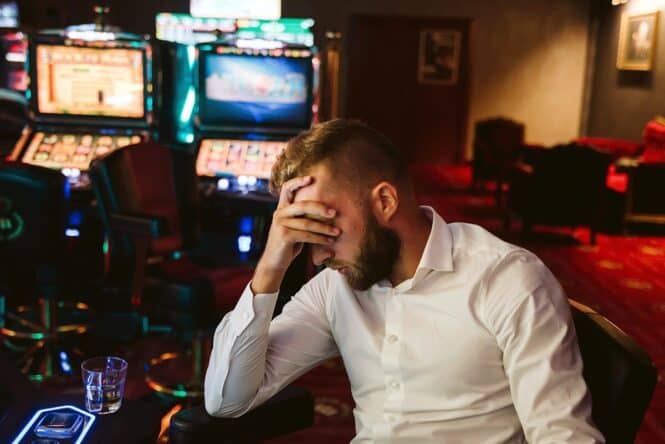
 Gambling addiction rarely begins with a dramatic event. More often, it develops quietly through small changes in behavior, emotions, and daily routines that become more serious over time. A few extra bets, longer gambling sessions, or an increasing desire to recover financial losses may not seem alarming at first. However, these subtle patterns can gradually grow into a behavioral addiction that affects every area of life. Recognizing the hidden progression of gambling addiction is one of the most effective ways to seek help before the consequences become overwhelming. At APGSO-STJPO, we provide compassionate, client-centered addiction recovery and mental health treatment that addresses the whole person through individualized care, holistic therapies, and faith-based support. We believe that understanding addiction is the first step toward lasting recovery.
Understanding the Progression of Gambling Addiction
Unlike many people assume, gambling addiction is not defined by how often someone gambles or how much money they lose. Instead, it is characterized by a growing loss of control over gambling despite harmful consequences.
As the addiction progresses, gambling often becomes more important than work, relationships, hobbies, and personal well-being. Because this transition happens gradually, many individuals do not realize they need help until the addiction has significantly affected their lives.
Why Gambling Addiction Develops
Several factors may contribute to problem gambling, including:
- Chronic stress
- Anxiety or depression
- Trauma or unresolved emotional pain
- Financial pressure
- Easy access to online gambling
- Family history of addiction
For many people, gambling becomes a temporary escape from emotional discomfort. Although it may provide short-lived excitement or relief, it often creates even greater emotional and financial challenges over time.
Stage One: Gambling Becomes More Than Entertainment
Most gambling addictions begin with occasional recreational gambling. As time passes, however, subtle behavioral changes begin to appear.
Gambling Occupies More Time
One early warning sign is spending increasing amounts of time gambling or thinking about gambling.
This may include:
- Planning gambling activities throughout the week
- Frequently checking betting opportunities
- Watching sporting events primarily for gambling purposes
- Thinking about previous wins and losses
When gambling consistently occupies your thoughts, it may be moving beyond healthy recreation.
Increasing Risk Taking
Many individuals gradually increase the amount of money they wager without realizing how much their habits have changed.
You may notice:
- Betting larger amounts
- Gambling more frequently
- Feeling comfortable taking greater financial risks
- Needing higher stakes to experience the same excitement
These changes often indicate growing psychological dependence.
Stage Two: Emotional and Behavioral Changes
As gambling becomes more important, emotional health often begins to change as well.
Gambling Becomes a Coping Mechanism
Rather than gambling for enjoyment, individuals may begin using it to manage emotions such as:
- Stress
- Anxiety
- Loneliness
- Frustration
- Sadness
Unfortunately, gambling only masks these feelings temporarily while allowing the underlying problems to continue growing.
Difficulty Walking Away
Another important warning sign is repeatedly trying to stop gambling without success.
Common experiences include:
- Breaking self-imposed spending limits
- Returning to gambling after promising to quit
- Feeling restless when unable to gamble
- Believing the next bet will solve financial problems
These behaviors often indicate that gambling is becoming increasingly difficult to control.
Stage Three: Financial and Relationship Consequences
As addiction progresses, the impact becomes more visible in everyday life.
Financial Stress Increases
Financial warning signs may include:
- Borrowing money regularly
- Missing bill payments
- Using credit cards to continue gambling
- Emptying savings accounts
- Hiding financial transactions
Many individuals begin chasing losses, believing another gambling session will recover what has already been lost. In reality, this pattern usually leads to deeper financial hardship.
Relationships Begin to Change
Family members and close friends often notice changes before the individual recognizes the seriousness of the problem.
Possible signs include:
- Becoming secretive about gambling
- Avoiding conversations about money
- Missing family events
- Declining work performance
- Increased conflict with loved ones
These changes can create feelings of isolation that make recovery even more challenging.
The Connection Between Gambling Addiction and Mental Health
Gambling addiction frequently occurs alongside mental health conditions such as anxiety, depression, trauma, or chronic stress. In many cases, gambling becomes an unhealthy coping strategy rather than the primary issue itself.
This is why successful recovery requires treating both the addiction and the emotional struggles that contribute to it.
A Whole Person Approach to Recovery
At APGSO-STJPO, we understand that every person’s experience with addiction is unique. Our individualized treatment plans are designed to support recovery on every level.
Our comprehensive services include:
- Inpatient addiction recovery programs
- Outpatient treatment options
- Mental health treatment for co-occurring conditions
- Holistic therapies that promote physical, emotional, and spiritual wellness
- Faith-based support for individuals seeking spiritual guidance during recovery
By addressing the whole person rather than focusing only on gambling behavior, we help individuals develop healthier coping skills and build a stronger foundation for lifelong recovery.
Why Early Intervention Matters
Waiting until gambling addiction reaches a crisis point can make recovery more difficult. The earlier treatment begins, the greater the opportunity to prevent serious financial, emotional, and relationship consequences.
Professional treatment can help individuals:
- Understand the causes of compulsive gambling
- Build healthy coping strategies
- Restore trust with loved ones
- Improve emotional well-being
- Regain confidence and stability
Recovery is not simply about stopping gambling. It is about creating a healthier and more meaningful future.
Conclusion
The progression of gambling addiction is often subtle, making it easy to overlook the early warning signs until significant problems develop. Changes in behavior, emotional health, financial stability, and relationships can all indicate that gambling is becoming more than a recreational activity. At APGSO-STJPO, we provide compassionate, individualized addiction recovery and mental health treatment that helps people heal through evidence-based care, holistic therapies, and faith-based support. If you or someone you care about is beginning to experience the warning signs of gambling addiction, do not wait for the situation to become worse. Reaching out today can be the first step toward lasting recovery, renewed hope, and a healthier future.