
Is Gambling Controlling Your Life? How to Recognize a Problem Early

Gambling can start as entertainment, a social activity, or a way to unwind. However, for some individuals, what begins as casual play can gradually shift into something that feels harder to control. If gambling is starting to affect your emotions, finances, relationships, or daily responsibilities, it may be a sign of a deeper problem. At APGSO-STJPO, we provide compassionate, individualized addiction recovery and mental health care designed to help individuals regain stability, clarity, and control over their lives.

Understanding Gambling Addiction

Gambling addiction, also known as gambling disorder, is a behavioral addiction where a person feels unable to stop gambling even when it causes harm. Unlike occasional gambling, this condition is driven by compulsion rather than choice. Over time, it can impact mental health, financial security, and personal relationships.

Early recognition is essential. The sooner a gambling problem is identified, the more effective treatment and recovery can be.

Why Gambling Becomes Difficult to Control

Several factors can contribute to the development of gambling addiction:

  • Emotional distress such as stress, anxiety, or depression
  • The excitement and reward cycle of wins and near wins
  • Using gambling as an escape from personal challenges
  • Easy access through online platforms and mobile apps

When gambling becomes a coping mechanism, it can quickly move from casual activity to compulsive behavior.

Early Signs Gambling May Be Taking Control

Recognizing the early warning signs of gambling addiction can prevent long term harm. These indicators often appear gradually and may be easy to overlook at first.

Emotional and Mental Health Changes

One of the earliest signs is a shift in emotional well-being. You may notice:

  • Feeling restless, anxious, or irritable when not gambling
  • Thinking about gambling frequently, even during other activities
  • Feeling guilt, shame, or regret after gambling sessions
  • Using gambling to escape stress or emotional discomfort

These emotional patterns often signal that gambling is becoming more than just entertainment.

Behavioral Warning Signs

Changes in behavior are a strong indicator that gambling may be becoming a problem:

  • Spending more time or money on gambling than planned
  • Repeated unsuccessful attempts to stop or reduce gambling
  • Chasing losses in hopes of recovering money
  • Neglecting work, school, or family responsibilities

Over time, these behaviors can become more frequent and harder to control.

Financial and Lifestyle Impact

Gambling addiction often creates financial pressure that affects daily life. Common signs include:

  • Borrowing money or relying on credit to gamble
  • Increasing debt or unpaid financial obligations
  • Selling personal belongings to fund gambling
  • Hiding spending habits from family or loved ones

Financial stress can also lead to anxiety, conflict, and isolation.

Relationship and Social Changes

As gambling becomes more consuming, relationships may begin to suffer:

  • Withdrawing from family and friends
  • Becoming defensive or secretive about gambling habits
  • Missing important events or responsibilities
  • Experiencing conflict related to money or trust

These changes often create emotional distance and strain important connections.

When to Seek Help for Gambling Addiction

If these signs feel familiar, it may be time to seek professional support. Gambling addiction is not simply a lack of willpower. It is a behavioral health condition that often requires structured treatment and emotional support.

At APGSO-STJPO, we understand that every individual’s experience is different. That is why our approach is personalized and focused on whole-person healing.

Our Approach to Recovery

We offer a comprehensive range of services designed to support lasting recovery:

  • Inpatient and outpatient addiction treatment programs
  • Mental health care for anxiety, depression, and related conditions
  • Holistic therapies that support emotional and physical wellness
  • Faith-based support for those seeking spiritual guidance

Our goal is to help individuals not only stop harmful behaviors but also rebuild confidence, stability, and purpose.

Taking the First Step Toward Change

Recognizing a gambling problem is a powerful first step. Taking action can feel overwhelming, but support is available. Recovery often begins with simple but important actions such as:

  1. Speaking with a mental health or addiction professional
  2. Sharing concerns with someone you trust
  3. Learning more about gambling addiction and its effects
  4. Exploring structured treatment options

Each step forward can help reduce the impact of gambling and open the door to recovery.

Conclusion

If gambling is starting to feel difficult to control, it is important to know that you are not alone and help is available. Early recognition of the signs can make a significant difference in preventing long term harm. At APGSO-STJPO, we are committed to providing compassionate, individualized care that supports healing of the mind, body, and spirit. If gambling is affecting your life or someone you care about, reaching out for support today can be the beginning of meaningful and lasting recovery.

Gambling Addiction Explained: Key Indicators You Should Not Ignore

Gambling can feel like a harmless escape or a way to unwind, but for many individuals, it can slowly become something far more serious. Gambling addiction often develops beneath the surface, making it difficult to recognize until it begins to affect mental health, relationships, and financial stability. Understanding the key indicators of gambling addiction is essential for early intervention and lasting recovery. At APGSO-STJPO, we offer compassionate, individualized care that supports people in overcoming addiction through evidence-based treatment, holistic healing, and faith-based guidance.

What is Gambling Addiction?

Gambling addiction, also known as gambling disorder, is a behavioral addiction characterized by a persistent and uncontrollable urge to gamble despite negative consequences. While some people can gamble occasionally without harm, others may find themselves trapped in a cycle that becomes increasingly difficult to break.

This condition often affects more than finances. It can lead to emotional distress, strained relationships, and a loss of control over daily responsibilities. Recognizing the problem early is one of the most important steps toward recovery.

Why Gambling Addiction Develops

There is no single cause of gambling addiction. Instead, it typically results from a combination of factors:

  • Emotional challenges: Stress, anxiety, depression, or unresolved trauma may lead individuals to use gambling as a way to cope
  • Psychological patterns: The excitement of winning and the desire to recover losses can reinforce compulsive behavior
  • Environmental access: Online platforms and widespread availability make gambling easier and more private than ever

Understanding these influences helps individuals and families approach the issue with clarity and compassion.

Key Indicators You Should Not Ignore

Gambling addiction can show up in subtle ways at first. Paying attention to early warning signs can prevent more serious consequences.

Emotional and Mental Health Changes

Many individuals struggling with gambling addiction experience shifts in their emotional well-being. These may include:

  • Persistent anxiety or stress related to gambling outcomes
  • Feelings of guilt or shame after gambling
  • Irritability or restlessness when unable to gamble
  • Using gambling as a way to escape emotional pain or pressure

Over time, these patterns can contribute to deeper mental health concerns such as depression or chronic anxiety.

Behavioral Warning Signs

Changes in behavior are often one of the clearest indicators of a developing gambling problem:

  • Constantly thinking about gambling or planning the next opportunity
  • Spending more time gambling than intended
  • Chasing losses in an attempt to win back money
  • Struggling to cut back or stop gambling despite repeated efforts

These behaviors often intensify gradually, making them easy to overlook at first.

Financial and Social Red Flags

Gambling addiction frequently impacts financial stability and relationships. Warning signs may include:

  • Borrowing money or accumulating debt to support gambling
  • Unpaid bills or sudden financial difficulties
  • Hiding financial activity or lying about gambling habits
  • Withdrawing from family, friends, or social responsibilities

These challenges can create a cycle of stress and isolation that reinforces the addiction.

The Importance of Early Intervention

Recognizing these indicators early creates an opportunity to seek help before the problem escalates. Many individuals delay reaching out due to shame or fear, but early support can make a significant difference in recovery outcomes.

At APGSO-STJPO, we understand that gambling addiction is not just about behavior. It is often connected to deeper emotional and psychological needs. That is why our approach focuses on the whole person.

A Comprehensive and Personalized Approach

Our programs are designed to meet individuals where they are, offering:

  • Inpatient and outpatient treatment options based on personal needs and circumstances
  • Mental health support for co-occurring conditions such as anxiety, depression, or trauma
  • Holistic therapies that promote physical, emotional, and spiritual well-being
  • Faith-based care for those seeking strength and meaning through spiritual connection

Each treatment plan is tailored to support long-term healing and personal growth.

Taking the First Step Toward Recovery

If you recognize these signs in yourself or someone you care about, it is important to take action. Recovery begins with a willingness to seek help and explore available support.

Practical steps include:

  1. Reaching out to a qualified addiction or mental health professional
  2. Having an honest conversation with a trusted friend or family member
  3. Exploring structured treatment programs that address both addiction and mental health
  4. Learning about triggers and developing healthier coping strategies

These steps can help break the cycle and open the door to meaningful change.

Conclusion

Gambling addiction can be difficult to recognize, but the signs are there for those who know what to look for. By understanding the key indicators and taking early action, individuals and families can prevent further harm and begin the journey toward recovery. At APGSO-STJPO, we are committed to providing compassionate, individualized care that supports healing of the mind, body, and spirit. If gambling is affecting your life or the life of someone you love, do not wait. Reach out today and take the first step toward a healthier and more hopeful future.

Spotting the Signs: How to Identify Gambling Addiction Before It Escalates

Gambling is often seen as a harmless form of entertainment, whether it is buying a lottery ticket, placing a casual bet, or playing online games. However, for some individuals, gambling can become a compulsive behavior that affects mental health, relationships, and financial stability. Recognizing the warning signs early is essential to prevent long-term consequences and begin the journey toward recovery. At APGSO-STJPO, we provide compassionate, individualized care that combines addiction recovery services, mental health treatment, and holistic approaches to support lasting change.
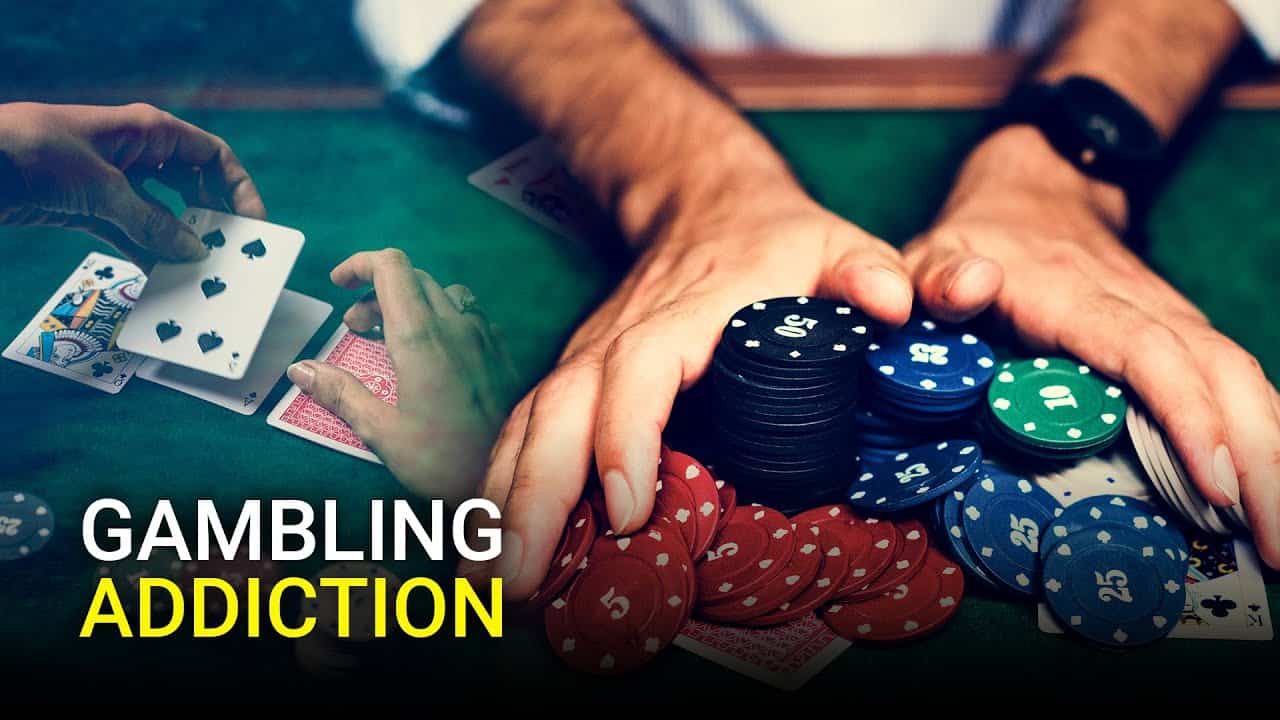
Understanding Gambling Addiction

Gambling addiction, also called gambling disorder, is a behavioral condition in which a person cannot control the urge to gamble despite negative consequences. Unlike casual gambling, which is recreational and manageable, gambling addiction disrupts daily life, affects emotional well-being, and can lead to significant financial difficulties. Early detection is key to preventing escalation and seeking professional support.

Why Gambling Becomes Addictive

Several factors can contribute to the development of gambling addiction:

  • Emotional triggers: Stress, anxiety, depression, or unresolved trauma can drive gambling as a coping mechanism.
  • Psychological and biological factors: Certain personality traits or genetic predispositions may increase vulnerability.
  • Environmental influences: Easy access to gambling venues, online platforms, and peer pressure can accelerate compulsive behaviors.

Recognizing these contributing factors helps individuals and families respond proactively.

Common Warning Signs of Gambling Addiction

Identifying a gambling problem early allows for timely intervention. Below are key signs to watch for.

Emotional and Mental Health Indicators

  • Persistent anxiety, irritability, or restlessness related to gambling
  • Using gambling as a way to escape stress, depression, or emotional pain
  • Guilt, shame, or secrecy around gambling habits

Behavioral Signs

  • Preoccupation with gambling, such as planning future bets or thinking about past wins and losses
  • Chasing losses in an attempt to recover money
  • Increasing time or money spent gambling
  • Difficulty controlling gambling despite intentions to stop

Financial and Social Red Flags

  • Borrowing money from friends or family to fund gambling
  • Accumulating debt, unpaid bills, or financial instability
  • Hiding gambling activity from loved ones
  • Withdrawal from social events or family responsibilities to gamble

These signs may appear gradually, which is why awareness and education are crucial for early intervention.

How to Seek Support for Gambling Addiction

If you notice these warning signs in yourself or a loved one, professional help is essential. At APGSO-STJPO, we offer comprehensive programs tailored to individual needs.

Personalized Recovery Programs

Our approach focuses on the whole person, integrating:

  • Inpatient and outpatient addiction recovery programs
  • Mental health treatment for co-occurring conditions like anxiety or depression
  • Holistic therapies addressing emotional, physical, and spiritual well-being
  • Faith-based support for individuals seeking guidance and purpose

This individualized care helps clients rebuild healthy habits, develop coping strategies, and restore balance in their lives.

Steps You Can Take Today

  1. Reach out to a professional: A counselor or addiction specialist can guide the first steps toward recovery.
  2. Talk to trusted family or friends: Supportive communication provides accountability and encouragement.
  3. Explore structured treatment programs: Comprehensive care increases the chances of lasting recovery.
  4. Educate yourself: Understanding gambling addiction and its triggers empowers informed decisions.

Conclusion

Gambling addiction is a hidden and often misunderstood condition, but early recognition and compassionate support make recovery possible. At APGSO-STJPO, we are committed to helping individuals overcome gambling addiction through client-centered, holistic care that addresses both behavioral and mental health challenges. If you or someone you love is struggling with gambling, taking the first step today can change the trajectory of your life. Reach out to our team for support and guidance toward lasting recovery.

Hidden Signs of Gambling Addiction: How to Spot a Problem and Find Support

Gambling addiction is often difficult to recognize, especially in its early stages. Unlike substance addictions, the effects may not be immediately visible, and individuals struggling with problem gambling often hide their behavior out of shame or fear. Understanding the hidden signs of gambling addiction can make a critical difference in seeking help before it escalates. At APGSO-STJPO, we provide compassionate, individualized care that combines mental health treatment, holistic approaches, and faith-based support to guide individuals toward lasting recovery.

What is Gambling Addiction?

Gambling addiction, also known as gambling disorder or compulsive gambling, is a behavioral addiction where the urge to gamble persists despite harmful consequences. This condition can affect anyone, regardless of age or background, and often develops gradually. Early awareness and intervention are essential for preventing financial strain, emotional distress, and relationship problems.

How Gambling Becomes a Hidden Problem

Many individuals do not realize they are developing a gambling problem because their behaviors may appear casual or socially acceptable at first. Online platforms, mobile apps, and social betting environments make it easier for gambling to remain private, which can mask the severity of the issue. Over time, compulsive patterns emerge that affect daily life and overall well-being.

Recognizing the Hidden Signs of Gambling Addiction

Spotting a gambling problem requires paying attention to subtle behavioral, emotional, and financial indicators that may otherwise go unnoticed.

Emotional and Mental Health Indicators

  • Persistent anxiety or stress related to gambling outcomes
  • Depression or low mood following losses
  • Irritability, restlessness, or agitation when unable to gamble
  • Using gambling as a way to escape difficult emotions or personal challenges

Behavioral and Social Warning Signs

  • Preoccupation with gambling, including thinking about past bets or planning future games
  • Difficulty controlling gambling behavior, even when intending to stop
  • Chasing losses by continuing to gamble to recover money
  • Withdrawal from friends, family, or social activities to spend more time gambling
  • Increased secrecy or defensiveness about time spent or money used

Financial Red Flags

  • Borrowing money from friends or family to gamble
  • Accumulating debt or unpaid bills
  • Selling personal items to fund gambling
  • Concealing financial information or lying about spending

These hidden signs often develop gradually, which is why education and awareness are crucial for early intervention.

Seeking Support for Gambling Addiction

If you notice these warning signs in yourself or someone you care about, professional help is essential. At APGSO-STJPO, our comprehensive programs address both gambling addiction and mental health challenges through compassionate, individualized care.

Personalized Recovery Programs

Our approach focuses on treating the whole person, integrating:

  • Inpatient and outpatient addiction recovery programs tailored to individual needs
  • Mental health support for co-occurring conditions such as anxiety or depression
  • Holistic practices promoting emotional, physical, and spiritual wellness
  • Faith-based guidance for individuals seeking purpose and community

This integrated model helps clients build healthier coping strategies and create a foundation for long-term recovery.

Steps You Can Take Today

  1. Reach out to a professional: Speak with a counselor or addiction specialist to explore your options.
  2. Communicate with trusted family or friends: Supportive conversations provide accountability and emotional encouragement.
  3. Explore structured treatment programs: Combining therapy, mental health care, and holistic practices increases the likelihood of sustainable recovery.
  4. Educate yourself: Understanding gambling addiction and its triggers empowers informed decisions about recovery.

Conclusion

Gambling addiction can remain hidden for months or even years, quietly affecting mental health, finances, and relationships. Recognizing the warning signs early is the first step toward recovery. At APGSO-STJPO, we are committed to helping individuals overcome gambling addiction through compassionate, personalized care that addresses both behavioral and mental health needs. If you or a loved one is struggling with gambling, reach out to our team today. Recovery is possible, and support is available every step of the way.

From Casual Play to Compulsive Gambling: Key Indicators You Should Not Ignore

For many people, gambling begins as a casual activity. It might be a social outing, a friendly bet, or occasional entertainment online. However, for some individuals, gambling can gradually shift from harmless recreation to a behavior that causes emotional, financial, and personal distress. Understanding how casual gambling can evolve into a compulsive pattern is essential for recognizing when help may be needed. At APGSO-STJPO, we believe that early awareness, compassionate support, and individualized care can help individuals regain control and move toward meaningful recovery.

Understanding the Shift from Casual Gambling to Addiction

Gambling addiction, often referred to as gambling disorder, is a behavioral addiction marked by a persistent urge to gamble despite negative consequences. The transition from casual play to compulsive gambling rarely happens overnight. Instead, it often develops slowly through repeated behaviors that become increasingly difficult to control.

Many people do not realize they are moving toward a gambling problem until the effects begin to appear in their mental health, finances, or relationships. Recognizing early indicators can make a significant difference in preventing deeper harm.

Why Gambling Becomes Compulsive

Several factors can contribute to the progression from casual gambling to addiction:

  • Emotional stress or unresolved trauma

  • Anxiety or depression that leads to gambling as a form of escape

  • The excitement and reward response associated with wins

  • Increased accessibility through online platforms and mobile apps

When gambling begins to serve as a coping mechanism rather than entertainment, the risk of addiction increases.

Key Indicators of Problem Gambling

Understanding the warning signs of gambling addiction can help individuals and families identify a problem before it escalates. Below are some of the most common indicators.

Preoccupation with Gambling

One of the earliest signs is a growing mental focus on gambling. Individuals may frequently think about past gambling experiences, plan their next opportunity to gamble, or spend time searching for ways to obtain money for betting.

Over time, this preoccupation can interfere with work responsibilities, family time, and daily routines.

Chasing Losses

A hallmark of gambling addiction is the urge to recover lost money by gambling again. This behavior, often called chasing losses, creates a cycle where individuals continue gambling in an attempt to regain financial control. Unfortunately, this usually leads to even greater losses.

Increasing Financial Pressure

Financial difficulties are often one of the most visible indicators of a gambling problem. Signs may include:

  • Borrowing money from friends or family

  • Accumulating credit card debt

  • Unpaid bills or sudden financial instability

  • Selling personal belongings to fund gambling

These financial pressures can create additional emotional stress and deepen the cycle of addiction.

Emotional and Behavioral Changes

Gambling addiction often affects mental health and emotional stability. Individuals may experience:

  • Irritability or restlessness when unable to gamble

  • Feelings of guilt or shame after gambling

  • Anxiety or depression linked to financial losses

  • Using gambling to escape emotional pain

These changes can affect both personal well being and relationships with loved ones.

Secrecy and Withdrawal

As gambling behavior becomes more problematic, individuals may begin hiding their activities. They may avoid conversations about money, conceal gambling transactions, or withdraw from family and social gatherings. This secrecy often stems from embarrassment, fear of judgment, or denial about the severity of the problem.

The Connection Between Gambling Addiction and Mental Health

Problem gambling rarely exists in isolation. Many individuals struggling with gambling addiction also face underlying mental health challenges such as anxiety, depression, or trauma related stress.

At APGSO-STJPO, we understand that effective recovery requires addressing both addiction and mental health. Our programs are designed to support the whole person through a combination of professional care, therapeutic support, and holistic healing approaches.

A Personalized Approach to Recovery

Every individual experiences addiction differently. That is why treatment should never follow a one size fits all approach. Our care model focuses on individualized support that may include:

  • Inpatient and outpatient addiction recovery programs

  • Mental health treatment for co occurring conditions

  • Holistic practices that support physical and emotional wellness

  • Faith based guidance for those seeking spiritual growth and purpose

This integrated approach helps individuals rebuild their lives while developing healthier coping strategies.

Taking the First Step Toward Help

Recognizing the warning signs of gambling addiction is an important step, but taking action is what creates real change. If you or someone you care about is experiencing these indicators, reaching out for professional support can open the door to recovery.

Early intervention can help individuals regain stability, rebuild relationships, and restore a sense of purpose.

Conclusion

The transition from casual gambling to compulsive behavior can happen gradually, often without immediate awareness of the risks. By understanding the key indicators of gambling addiction, individuals and families can identify a problem before it escalates further. At APGSO-STJPO, our mission is to provide compassionate, individualized care that supports healing of the mind, body, and spirit. If gambling is beginning to take control of your life or the life of someone you love, now is the time to seek support. Reaching out for help can be the first step toward lasting recovery and a healthier future.

Is Gambling Taking Control? How to Identify a Gambling Problem Before It Escalates

Gambling can begin as a fun and harmless activity, but for some individuals, it can quickly develop into a pattern of behavior that impacts mental health, relationships, and financial stability. Recognizing the early signs of problem gambling is essential to prevent further harm and take the first step toward recovery. At APGSO-STJPO, we provide compassionate, client-centered care for those struggling with gambling addiction, offering personalized programs that integrate mental health treatment, holistic approaches, and faith-based support.

Understanding Gambling Addiction

Gambling addiction, also referred to as compulsive gambling or gambling disorder, is a behavioral addiction where the urge to gamble becomes uncontrollable, even when it leads to negative consequences. Unlike casual gambling, which is occasional and recreational, gambling addiction can disrupt daily responsibilities, strain personal relationships, and cause financial instability. Early recognition is key to addressing the problem before it escalates.

Why Gambling Problems Develop

Several factors can contribute to gambling addiction:

  • Emotional triggers: Stress, anxiety, depression, or trauma may lead to gambling as a coping mechanism.

  • Psychological and biological predispositions: Certain personality traits or genetic factors may increase vulnerability.

  • Environmental influences: Easy access to gambling venues, online platforms, or social pressures can encourage compulsive behavior.

Understanding these factors helps individuals and families respond proactively.

Common Signs of a Gambling Problem

Identifying problem gambling early allows for timely intervention. Key warning signs include:

Emotional and Mental Health Symptoms

  • Persistent anxiety or depression following gambling activities

  • Irritability, restlessness, or mood swings when unable to gamble

  • Using gambling to escape from difficult emotions or stress

Behavioral Indicators

  • Preoccupation with gambling, including planning future bets or reflecting on past wins and losses

  • Chasing losses in an attempt to recover money

  • Difficulty stopping or reducing gambling despite negative consequences

  • Spending increasing amounts of time or money gambling

Financial and Social Red Flags

  • Borrowing money or selling possessions to fund gambling

  • Accumulating unpaid bills or mounting debt

  • Hiding gambling activity from family or friends

  • Withdrawal from social interactions or responsibilities to gamble

These signs often appear gradually, which is why awareness is crucial.

How to Seek Help for Gambling Addiction

If you notice these signs in yourself or a loved one, professional support is essential. At APGSO-STJPO, our programs are designed to provide comprehensive care:

  • Inpatient and outpatient addiction recovery programs

  • Mental health treatment for co-occurring disorders such as anxiety or depression

  • Holistic approaches focusing on emotional, physical, and spiritual wellness

  • Faith-based support for individuals seeking guidance and purpose

Our individualized care plans ensure that each client receives support tailored to their unique experiences and needs.

Practical Steps to Take Today

  1. Reach out to a professional: Speak with a counselor or addiction specialist to explore options.

  2. Communicate with trusted family or friends: Sharing concerns can provide emotional support and accountability.

  3. Consider structured treatment programs: Programs combining therapy, mental health support, and holistic care offer the most effective path to recovery.

  4. Educate yourself: Learning about gambling addiction, triggers, and coping strategies empowers informed decisions.

Conclusion

Gambling addiction is a complex and often hidden condition, but with early recognition and professional support, recovery is possible. At APGSO-STJPO, we are committed to helping individuals regain control through compassionate, individualized care that addresses both behavioral addiction and mental health challenges. If you or someone you love is struggling with gambling, take the first step today by reaching out to our team. Recovery begins with awareness, support, and the courage to seek help.

Gambling Addiction Uncovered: How to Recognize the Warning Signs Early

Gambling can begin as a harmless form of entertainment, but for some, it develops into a serious problem that affects mental health, finances, and relationships. Recognizing the warning signs early is critical to preventing long-term consequences and starting the journey toward recovery. At APGSO-STJPO, we provide compassionate, individualized care for people struggling with gambling addiction, integrating mental health treatment, holistic practices, and faith-based support to help clients regain control of their lives.
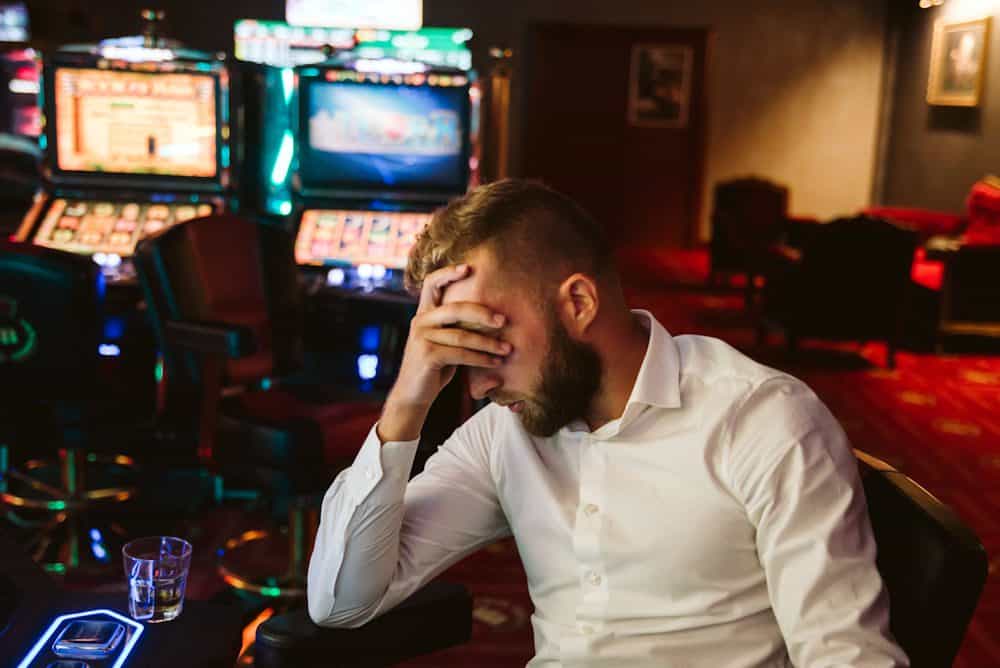
Understanding Gambling Addiction

Gambling addiction, also called gambling disorder, is a behavioral condition where the urge to gamble becomes uncontrollable despite negative outcomes. Unlike casual gambling, which remains a controlled and occasional activity, addiction can disrupt daily life and lead to emotional and financial instability. Early recognition is essential for effective intervention and long-term recovery.

Why Gambling Addiction Develops

Several factors contribute to the onset of gambling addiction:

  • Emotional triggers: Stress, anxiety, depression, or unresolved trauma may lead individuals to gamble as a coping mechanism.

  • Biological and psychological predispositions: Some people are more vulnerable due to personality traits or genetics.

  • Environmental factors: Easy access to gambling venues, online platforms, and peer influence can accelerate compulsive behavior.

Understanding these underlying causes helps individuals and families take proactive steps to address the problem.

Common Warning Signs of Gambling Addiction

Identifying gambling addiction early allows for timely support and intervention. Below are key indicators to watch for.

Emotional and Mental Health Symptoms

  • Persistent anxiety or depression related to gambling losses

  • Irritability or mood swings when unable to gamble

  • Using gambling to escape stress, loneliness, or difficult emotions

Behavioral Signs

  • Preoccupation with gambling, such as planning future bets or thinking about past losses

  • Chasing losses in an attempt to recover money

  • Increasing time or money spent on gambling

  • Difficulty stopping gambling even when intending to do so

Financial and Social Red Flags

  • Borrowing money or selling personal belongings to fund gambling

  • Unexplained financial problems or unpaid bills

  • Hiding gambling activity from family and friends

  • Withdrawal from social or family activities to gamble

These behaviors often escalate over time, making early recognition essential for effective intervention.

How to Seek Support for Gambling Addiction

If you notice these warning signs in yourself or a loved one, professional support can make a critical difference. At APGSO-STJPO, we provide a range of services tailored to individual needs, including:

  • Inpatient and outpatient addiction recovery programs

  • Mental health treatment for co-occurring conditions

  • Holistic approaches focusing on emotional, physical, and spiritual wellness

  • Faith-based support for individuals seeking guidance and purpose through spirituality

Our individualized programs provide a safe, supportive environment where clients can explore the root causes of addiction, develop healthier coping strategies, and rebuild their lives.

Steps You Can Take Today

  1. Reach out to a professional: Speaking with a counselor or addiction specialist is the first step toward recovery.

  2. Talk to trusted family or friends: Sharing your struggle can provide emotional support and accountability.

  3. Explore treatment options: Structured programs combining therapy, mental health care, and holistic practices support sustainable recovery.

  4. Educate yourself: Learning about gambling addiction, triggers, and coping strategies empowers individuals to take control.

Conclusion

Gambling addiction is a complex and often hidden condition, but early recognition and professional support make recovery possible. At APGSO-STJPO, we are dedicated to helping individuals overcome gambling addiction through compassionate, personalized care that addresses both behavioral and mental health challenges. If you or someone you love is struggling with gambling, take the first step today by reaching out to our team. Recovery begins with awareness, support, and the courage to seek help.

Understanding Gambling Addiction: How to Spot Problem Gambling and Where to Find Support

Gambling can start as a harmless activity, but for some individuals, it can develop into a serious problem with far-reaching consequences. Recognizing the early signs of gambling addiction is essential for protecting mental health, relationships, and financial stability. At APGSO-STJPO, we provide compassionate, individualized care for those struggling with gambling and other behavioral addictions, offering professional support that integrates mental health treatment, holistic approaches, and faith-based guidance.
What is Gambling Addiction?

Gambling addiction, also called gambling disorder, is a behavioral condition marked by a persistent urge to gamble despite negative effects. Unlike casual gambling, addiction disrupts daily life, damages relationships, and may lead to financial hardship. The condition often develops gradually, making it difficult to detect until it has caused significant harm.

Why Gambling Addiction Happens

Several factors can contribute to the development of gambling addiction:

  • Emotional triggers: Stress, anxiety, depression, or trauma may lead individuals to gamble as a form of escape.

  • Biological and psychological factors: Some people may be more vulnerable to addictive behaviors due to genetics or personality traits.

  • Environmental influences: Easy access to gambling venues, online platforms, or social pressures can accelerate compulsive gambling.

Understanding these underlying causes is important for addressing gambling addiction effectively.

Signs of Problem Gambling

Recognizing problem gambling early can prevent long-term harm. Common warning signs include:

Emotional and Mental Health Symptoms

  • Persistent anxiety, irritability, or mood swings

  • Depression or feelings of hopelessness following losses

  • Using gambling to escape emotional pain or stress

Behavioral Indicators

  • Preoccupation with gambling or planning future bets

  • Chasing losses in an attempt to recover money

  • Inability to control gambling, even when intending to stop

  • Spending increasing amounts of time or money on gambling activities

Financial and Social Effects

  • Borrowing money or selling possessions to fund gambling

  • Unpaid bills or mounting debt

  • Hiding gambling activities or financial transactions

  • Withdrawal from friends, family, or social activities

These signs often appear gradually, making awareness and education crucial.

Finding Support for Gambling Addiction

If you recognize these symptoms in yourself or a loved one, reaching out for professional support is an important step toward recovery. APGSO-STJPO provides comprehensive services that address both behavioral addiction and mental health:

  • Inpatient and outpatient programs tailored to individual needs

  • Mental health support for co-occurring conditions such as anxiety or depression

  • Holistic approaches that incorporate wellness practices for emotional, physical, and spiritual health

  • Faith-based support for those seeking spiritual guidance and community

Our individualized care plans ensure clients receive support that respects their unique experiences and promotes long-term recovery.

Steps to Take Today

  1. Contact a professional: Speak with a counselor or addiction specialist to evaluate your situation and explore options.

  2. Communicate with loved ones: Sharing your concerns with family or trusted friends can provide emotional support and accountability.

  3. Explore treatment options: Structured programs combine therapy, mental health care, and holistic practices to support recovery.

  4. Educate yourself: Learn about gambling addiction, triggers, and coping strategies to empower your decisions.

Conclusion

Gambling addiction can quietly take control of a person’s life, but with awareness, support, and professional care, recovery is possible. At APGSO-STJPO, we are committed to helping individuals overcome addiction through compassionate, personalized programs that address both mental health and behavioral challenges. If you or someone you love is struggling with gambling, take the first step today and reach out to our team. Recovery begins with understanding, courage, and a willingness to seek help.

Gambling Addiction Symptoms: A Compassionate Guide to Understanding the Warning Signs

Gambling addiction often develops quietly, making it difficult to recognize until the consequences become overwhelming. What may begin as occasional entertainment can gradually turn into a pattern of behavior that affects mental health, finances, relationships, and spiritual well-being. Understanding the symptoms of gambling addiction is an important first step toward recovery. At APGSO-STJPO, we believe that awareness, compassion, and personalized care can help individuals and families regain stability and hope.

Understanding Gambling Addiction

Gambling addiction, also known as gambling disorder, is a behavioral addiction marked by an inability to control gambling despite harmful outcomes. Unlike casual gambling, addiction interferes with daily responsibilities and emotional health. Many individuals struggle in silence due to shame or fear of judgment, which is why compassionate education is essential.

Why Gambling Addiction Often Goes Unnoticed

Gambling addiction does not always involve visible substance use or physical symptoms. Because of this, it can remain hidden longer than other forms of addiction. Online gambling, mobile apps, and private betting environments can further mask the severity of the issue.

Common Gambling Addiction Symptoms

Recognizing the warning signs early can help prevent deeper emotional and financial harm. Below are some of the most common symptoms associated with gambling addiction.

Emotional and Mental Health Symptoms

Gambling addiction often coexists with mental health challenges. Individuals may experience:

  • Anxiety or constant worry about money or gambling outcomes

  • Depression or feelings of hopelessness after losses

  • Irritability or mood swings when unable to gamble

  • Guilt or shame related to gambling behavior

Many people use gambling as a way to escape emotional pain, stress, or unresolved trauma, which can intensify these symptoms over time.

Behavioral Warning Signs

Changes in behavior are often among the earliest indicators of a gambling problem:

  • Preoccupation with gambling or planning the next opportunity

  • Increasing time or money spent gambling

  • Chasing losses in an attempt to recover money

  • Difficulty stopping or cutting back despite negative consequences

These behaviors can disrupt work, family life, and personal responsibilities.

Financial Symptoms

Financial instability is a major consequence of gambling addiction. Warning signs may include:

  • Unpaid bills or mounting debt

  • Borrowing money frequently or selling possessions

  • Hiding financial records or lying about spending

  • Sudden financial crises with no clear explanation

Financial stress often deepens emotional distress and can create conflict within families.

Relationship and Social Changes

Gambling addiction can strain even the strongest relationships. Symptoms may include:

  • Withdrawal from family, friends, or community activities

  • Increased secrecy or defensiveness

  • Conflict related to money or broken trust

  • Isolation to avoid questions or accountability

These changes can leave both the individual and their loved ones feeling disconnected and overwhelmed.

When Gambling Addiction and Mental Health Intersect

Many individuals struggling with gambling addiction also face co-occurring mental health conditions such as anxiety, depression, or trauma-related disorders. At APGSO-STJPO, we recognize that treating gambling addiction requires addressing the whole person, not just the behavior.

A Holistic and Individualized Approach to Healing

Effective recovery involves more than stopping gambling. Our programs integrate:

  • Mental health treatment to address emotional and psychological needs

  • Inpatient and outpatient care options based on individual circumstances

  • Holistic practices that support physical, emotional, and spiritual wellness

  • Faith-based support for those who find strength and purpose through spirituality

Each treatment plan is personalized, respectful, and centered on long-term healing.

When to Reach Out for Help

If you recognize these symptoms in yourself or a loved one, reaching out for support can feel daunting, but it is a courageous and life-changing step. Early intervention can prevent further harm and open the door to recovery.

Practical steps to take include:

  1. Speaking with a trained addiction or mental health professional

  2. Opening honest conversations with trusted family members or friends

  3. Exploring structured treatment programs that address both addiction and mental health

  4. Seeking a supportive environment that emphasizes compassion and accountability

Conclusion

Gambling addiction is complex, deeply personal, and often misunderstood. However, recovery is possible with the right support, understanding, and care. By recognizing the symptoms early and seeking help, individuals and families can begin the process of healing and restoration. At APGSO-STJPO, we are committed to walking alongside those affected by gambling addiction with compassion, respect, and individualized treatment. If you or someone you love is struggling, now is the time to reach out and take the first step toward a healthier and more hopeful future.

Are You or a Loved One Struggling with Gambling? Key Red Flags and When to Reach Out

Gambling is often seen as harmless entertainment, but for some, it can become a serious problem that affects mental health, finances, and relationships. Identifying a gambling problem early is essential for preventing long-term harm and supporting recovery. At APGSO-STJPO, we provide compassionate, individualized care for those facing gambling addiction, offering comprehensive programs that address both behavioral and mental health challenges.

Understanding Gambling Addiction

Gambling addiction, also known as compulsive gambling or gambling disorder, is a behavioral addiction characterized by a persistent urge to gamble despite negative consequences. Unlike casual gambling, which remains a controlled and occasional activity, gambling addiction can disrupt daily life, damage relationships, and create financial strain. Early recognition is critical to preventing escalation and achieving recovery.

Why Gambling Addiction Can Develop

Several factors contribute to the onset of gambling addiction:

  • Emotional triggers: Stress, anxiety, or depression may lead individuals to gamble as a way to cope with difficult emotions.

  • Biological and psychological factors: Certain personality traits or genetic predispositions may increase vulnerability to addiction.

  • Environmental influences: Easy access to gambling venues, online platforms, and social pressures can accelerate the development of compulsive behavior.

Key Red Flags to Watch For

Recognizing the signs of gambling addiction in yourself or a loved one is an important first step toward recovery. Here are common red flags:

Preoccupation with Gambling

An individual may spend a significant amount of time thinking about gambling, recalling past experiences, or planning future bets. This preoccupation often interferes with work, school, or family responsibilities.

Chasing Losses

Continuing to gamble to recover lost money is a hallmark of gambling addiction. This behavior can quickly escalate financial problems and emotional stress.

Financial Strain

Signs include unpaid bills, borrowing money, maxed-out credit cards, or unexplained financial difficulties. Persistent financial problems often cause guilt, shame, and anxiety.

Emotional and Behavioral Changes

Gambling addiction can lead to mood swings, irritability, depression, or anxiety. Gambling may be used as a temporary escape from stress or unresolved trauma.

Secretive or Deceptive Behavior

Individuals struggling with gambling may lie about their activities, hide financial records, or withdraw from social interactions to conceal their behavior.

When to Reach Out for Help

If you notice these signs in yourself or a loved one, seeking professional support is essential. Early intervention can prevent further harm and improve the likelihood of successful recovery. At APGSO-STJPO, our programs are designed to provide comprehensive care, including:

  • Inpatient and outpatient addiction recovery programs

  • Mental health support for co-occurring conditions

  • Holistic and faith-based approaches to overall wellness

  • Personalized treatment plans tailored to individual needs

Our approach focuses on creating a safe, supportive environment where clients can explore the root causes of their addiction, develop healthier coping strategies, and rebuild their lives.

Practical Steps You Can Take Today

Recognizing a problem is only the first step. Here are actions you can take immediately:

  1. Reach out to a professional: A counselor or addiction specialist can provide guidance and support.

  2. Engage family or trusted friends: Open communication can help create accountability and emotional support.

  3. Explore treatment options: Structured programs that combine therapy, mental health care, and holistic practices offer the most effective path to recovery.

  4. Educate yourself: Understanding the signs, triggers, and strategies for managing gambling behavior can empower you or your loved one to make informed decisions.

Conclusion

Gambling addiction can quietly take control of a person’s life, but early recognition and professional support make recovery possible. At APGSO-STJPO, we are committed to providing compassionate, individualized care that addresses both behavioral addiction and mental health needs. If you or someone you love is struggling with gambling, take the first step today by reaching out to our team. Recovery begins with awareness, support, and the courage to seek help.