
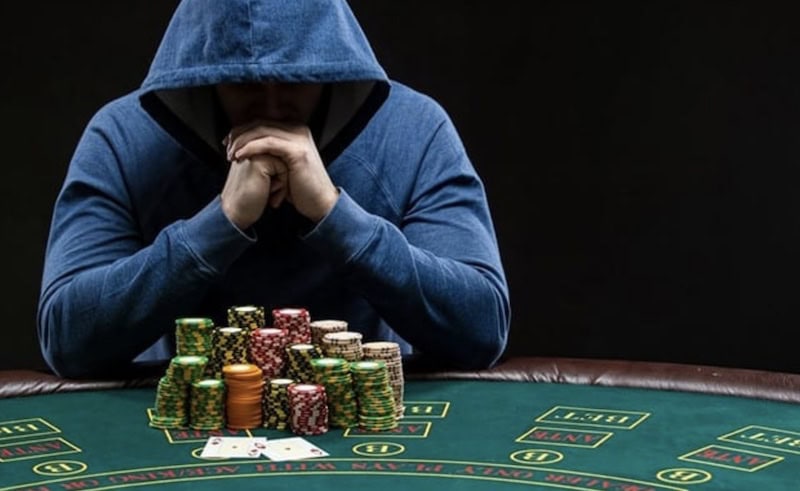
 Gambling can start as a simple form of entertainment, a way to relax or socialize. For many, it remains a harmless activity. However, for some individuals, casual gambling can evolve into a serious problem that affects mental health, relationships, and finances. Recognizing the signs of gambling addiction early is critical to preventing long-term harm. At APGSO-STJPO, we provide compassionate, individualized support for those struggling with gambling and other behavioral addictions, guiding clients toward lasting recovery.
Understanding Gambling Addiction
Gambling addiction, also called compulsive gambling or gambling disorder, is a behavioral addiction characterized by an uncontrollable urge to gamble despite negative consequences. Unlike casual gambling, this condition can interfere with daily life, cause financial strain, and damage personal relationships. Addiction often develops gradually, making it difficult to detect until the effects are significant.
Why Gambling Addiction Develops
Several factors can contribute to the development of gambling addiction:
-
Emotional triggers: Stress, anxiety, and depression can lead individuals to use gambling as a coping mechanism.
-
Biological and psychological predispositions: Some people may have an increased vulnerability due to genetics or personality traits.
-
Environmental influences: Easy access to gambling venues, online platforms, and social pressures can accelerate the progression from casual use to addiction.
Warning Signs of Gambling Addiction
Identifying gambling addiction early can prevent harm and increase the chances of successful recovery. Here are key indicators to watch for:
Preoccupation with Gambling
Individuals with a gambling problem often spend excessive time thinking about past gambling experiences, planning future bets, or figuring out ways to finance gambling. This preoccupation can interfere with work, school, and personal relationships.
Chasing Losses
A common behavior in gambling addiction is chasing losses. This occurs when someone continues to gamble to recover money they have lost, creating a cycle of increasing risk and stress.
Financial and Legal Problems
Gambling addiction frequently leads to financial instability. Signs include unpaid bills, borrowing money, maxed-out credit cards, and in some cases, legal issues related to debt or fraud.
Emotional and Behavioral Changes
People struggling with gambling may experience mood swings, irritability, anxiety, and depression. They may use gambling to escape from difficult emotions or life challenges, further perpetuating the addiction.
Secretive Behavior
Hiding gambling activities is common. Individuals may lie about finances, hide receipts or transactions, and withdraw from social interactions to avoid confrontation or judgment.
Seeking Help for Gambling Addiction
If you or someone you love shows these warning signs, seeking help is vital. Early intervention can prevent further harm and set the stage for recovery. At APGSO-STJPO, we provide a comprehensive range of services tailored to each individual’s needs:
-
Inpatient and outpatient addiction treatment programs
-
Mental health support for co-occurring conditions
-
Holistic and faith-based approaches that promote overall wellness
-
Personalized care plans designed to address underlying causes of addiction
Our compassionate team helps clients explore their behaviors, develop healthy coping strategies, and rebuild their lives in a supportive environment.
Steps You Can Take Today
Recognizing a problem is the first step toward recovery. Here are some actionable steps:
-
Reach out for professional support: Speaking to a counselor or addiction specialist can help clarify the next steps.
-
Talk openly with trusted family or friends: Sharing your struggles can provide emotional support and accountability.
-
Consider a structured treatment program: Programs that integrate mental health care, therapy, and holistic approaches offer a comprehensive path to recovery.
-
Educate yourself: Understanding gambling addiction and triggers can empower you to make informed decisions about recovery.
Conclusion
Gambling addiction is a complex condition that can quietly take over a person’s life. However, with early recognition, professional support, and a tailored treatment plan, recovery is possible. APGSO-STJPO is dedicated to helping individuals regain control through compassionate, individualized care that addresses both mental health and behavioral challenges. If you or someone you love is struggling with gambling, do not wait to seek help. Take the first step today and contact our team to begin the journey toward lasting recovery.
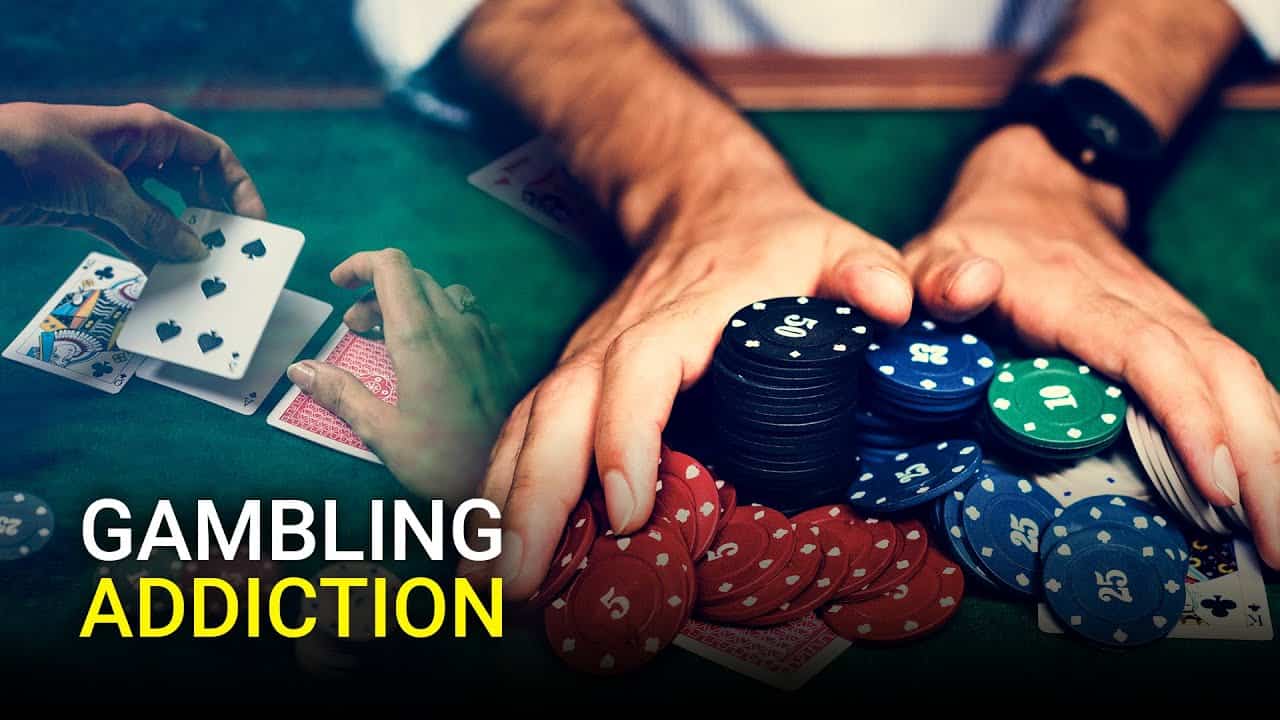 Gambling can start as a harmless pastime, but for some individuals, it can quickly become a serious problem that affects every aspect of life. Recognizing the hidden signs of gambling addiction early is essential for taking control and seeking the help you or a loved one may need. At APGSO-STJPO, we understand how challenging it can be to face these struggles, and we are committed to providing compassionate, individualized support for those on the path to recovery.
 Gambling addiction does not only affect the individual struggling with it—it deeply impacts family relationships, trust, and emotional well-being. Loved ones often experience betrayal, financial strain, and emotional distress, while the person with the addiction may feel shame, guilt, and isolation. Understanding how gambling affects families and learning strategies for rebuilding trust are essential steps toward healing. At APGSO-STJPO, we provide compassionate, holistic, and faith-based support to guide families and individuals toward recovery, restoration, and hope.
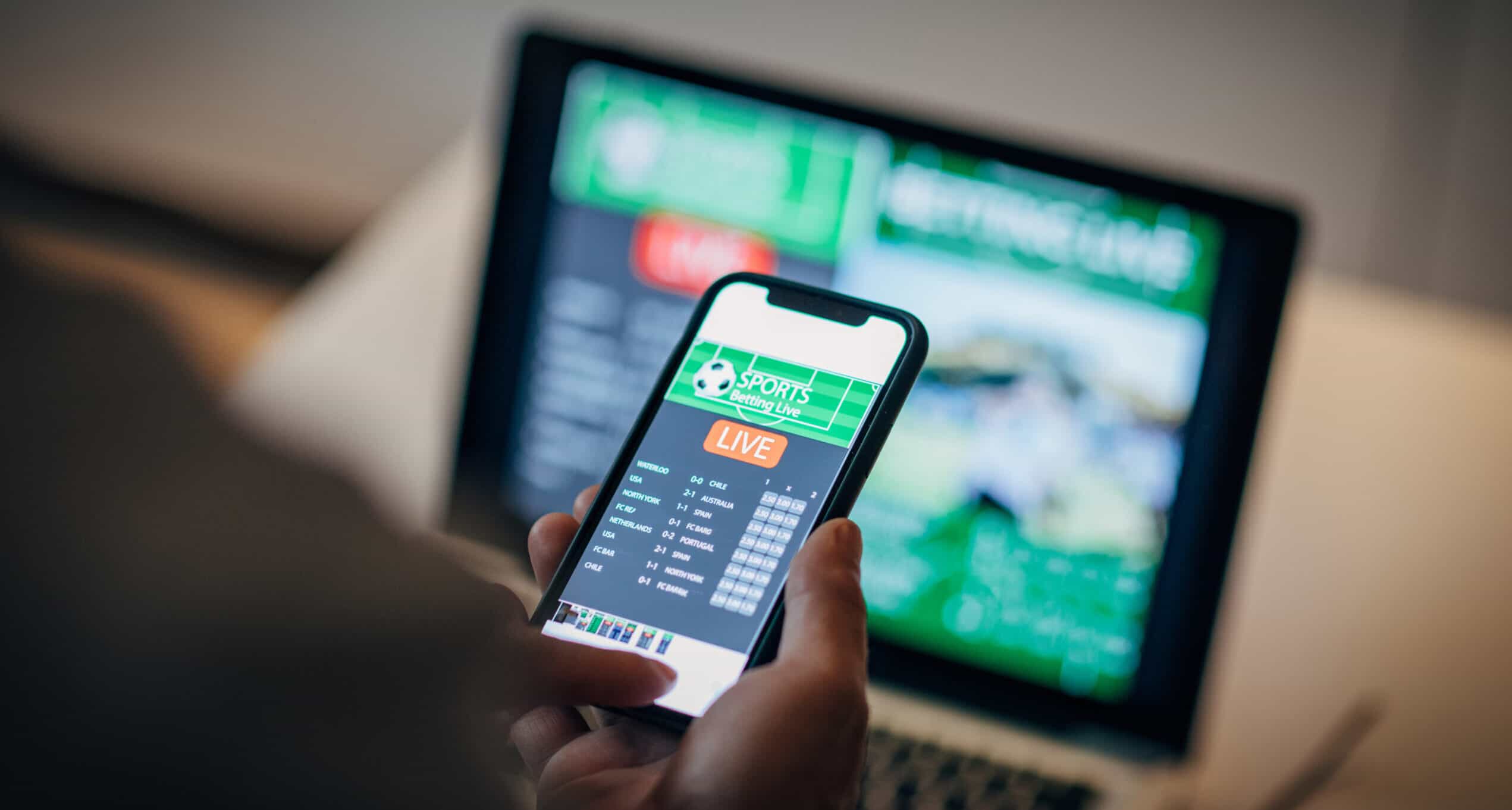 Online betting has become part of everyday life for many people. With sports wagering apps, online casinos, and instant access through smartphones, gambling is no longer limited to physical locations or specific times. While many individuals believe they are simply enjoying entertainment, the digital nature of online betting can quietly increase the risk of problem gambling. Understanding the warning signs early can make a meaningful difference in recovery and long term well being.
 Gambling addiction does not only affect finances or behavior. It impacts emotional health, relationships, spiritual well being, and a person’s sense of purpose. For many individuals and families, true healing requires more than symptom management. It requires whole person care. At apgso-stjpo.ca, faith based and holistic approaches are combined with professional addiction recovery and mental health treatment to create a path toward lasting transformation, hope, and stability.
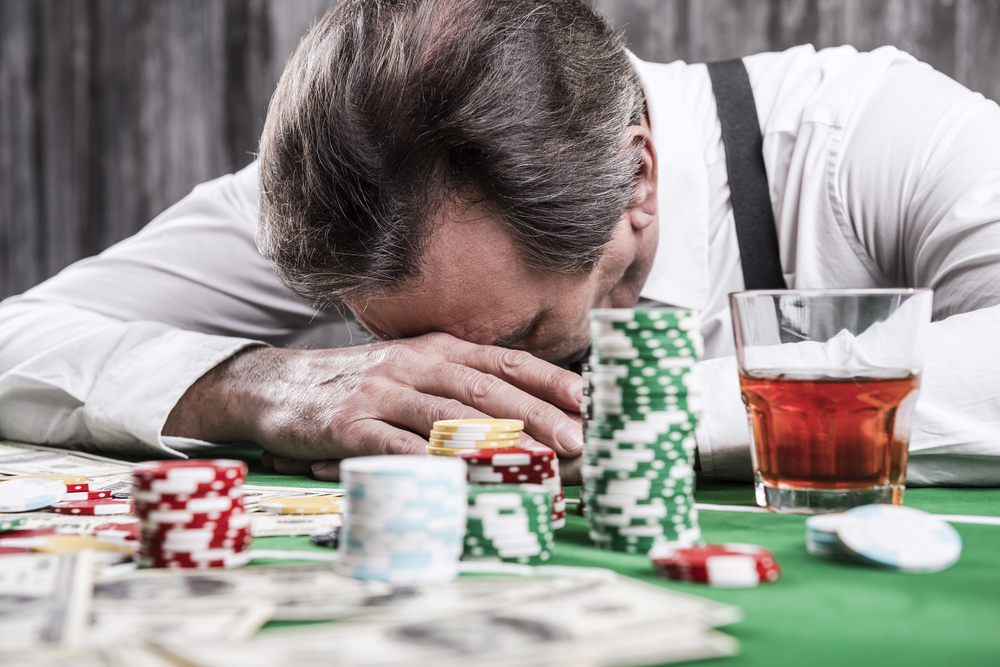
 Gambling can start as harmless fun—a way to unwind, socialize, or experience excitement. For most, it remains an occasional pastime. However, for some, what begins as simple entertainment can gradually turn into a compulsion with serious consequences. Understanding how gambling transitions from play to problem is crucial for early recognition and intervention. At APGSO-STJPO, we provide compassionate, individualized care to help individuals and families navigate the challenges of gambling addiction and reclaim control over their lives.
 For many people, gambling begins as a harmless source of excitement—a way to unwind, socialize, or test their luck. But what starts as occasional fun can quietly grow into a compulsive behavior that affects mental health, relationships, and financial stability. Understanding when curiosity turns into compulsion is essential for early intervention. At APGSO-STJPO, we help individuals and families recognize the subtle signs of gambling addiction and begin the journey toward recovery through compassionate, holistic, and faith-based care.