
 It can be painful to watch someone you care about struggle with gambling. At first, it may look harmless—a friendly game, a night out, or an occasional online bet. But over time, what seems like simple entertainment can quietly turn into a serious problem. Recognizing the signs early and approaching the issue with empathy rather than criticism can make a life-changing difference. At APGSO – STJPO, we believe that healing begins with understanding, compassion, and the courage to reach out for help.
Understanding Gambling Addiction as a Behavioral Health Issue
Gambling addiction, or gambling disorder, is more than just a bad habit. It is a behavioral health condition that affects how the brain responds to risk, reward, and emotion. The person struggling is often caught in a cycle of excitement, guilt, and denial. They may want to stop but feel powerless to do so. This makes compassion and support from others essential.
At APGSO – STJPO, our holistic and faith-based approach recognizes that gambling addiction often has deep emotional and psychological roots. Addressing these underlying causes allows true healing to begin—not just behavior change, but restoration of peace, purpose, and hope.
How to Recognize Gambling Problems in Others
1. Notice Changes in Behavior
When gambling begins to take control, you may see shifts in personality or habits. The person may become secretive, withdrawn, or irritable. They might cancel plans, avoid conversations about money, or seem distracted and anxious. These behavioral changes are often early indicators that gambling has become more than a game.
2. Watch for Financial Struggles
Unexplained financial issues can point to gambling trouble. Frequent borrowing, missing funds, unpaid bills, or selling personal items are red flags. In many cases, the person may insist that it is just a temporary problem, but repeated financial distress usually signals something deeper.
3. Look for Emotional Signs
Gambling problems often come with emotional highs and lows. You may notice sudden mood swings, anxiety, guilt, or frustration. The person might seem euphoric after a win but deeply depressed after a loss. These emotional fluctuations can indicate that gambling is influencing their mental health.
4. Identify Denial and Defensiveness
If you try to discuss concerns and the person becomes defensive or dismissive, it could mean they are struggling to face the truth. Denial is common and not a sign of unwillingness to change, but rather of fear and shame. This is why approaching the conversation with empathy instead of accusation is crucial.
Approaching the Conversation with Care
Talking to someone about a gambling problem requires sensitivity. Choose a quiet, private moment and speak from a place of care. Use “I” statements instead of “you” statements—for example, “I’ve noticed you seem stressed lately” instead of “You need to stop gambling.” This reduces defensiveness and opens the door for honest dialogue.
It is important to focus on how the behavior affects their wellbeing, not to shame or blame them. Encourage them to talk about what they are going through. Listening can be the first step toward helping them realize they are not alone.
When Professional Help Is Needed
If the person you care about is struggling to control their gambling, professional help is often the most effective path forward. At APGSO – STJPO, we offer addiction recovery services, mental health treatment, inpatient and outpatient programs, and holistic care designed to meet individuals where they are. Our client-centered approach focuses on healing the whole person—emotionally, mentally, physically, and spiritually.
Our team provides judgment-free support that helps individuals rebuild self-worth, repair relationships, and regain control of their lives.
Compassion Is the First Step Toward Change
Helping someone with a gambling problem is not about pointing out their mistakes. It is about standing beside them with compassion, patience, and hope. Recognizing the signs and responding with understanding can be the beginning of recovery.
If you believe someone you care about may be struggling, reach out to APGSO – STJPO today. Our caring professionals are here to listen, guide, and help you take the next step toward healing and freedom from addiction.
 Gambling can begin as a fun and exciting activity. A night at the casino, a quick lottery ticket, or an online bet may feel harmless at first. But for some, what starts as entertainment can develop into a powerful and destructive addiction. The signs are not always obvious, which makes early awareness essential. At
 Gambling often begins as a form of excitement, entertainment, or even social connection. For many, it remains just that. But for others, gambling can develop into a disorder that deeply affects mental health, relationships, and financial well-being. The shift from fun to harmful is not always obvious, which is why recognizing behavioral clues is so important. At
 Gambling can be an enjoyable activity when approached responsibly. However, what begins as casual entertainment can gradually evolve into a serious problem, affecting mental health, finances, and relationships. Recognizing the warning signs early is essential for taking action before the consequences become severe. At
 Gambling can be an enjoyable activity when approached responsibly. However, what begins as casual entertainment can gradually evolve into a serious problem, affecting mental health, finances, and relationships. Recognizing the warning signs early is essential for taking action before the consequences become severe. At
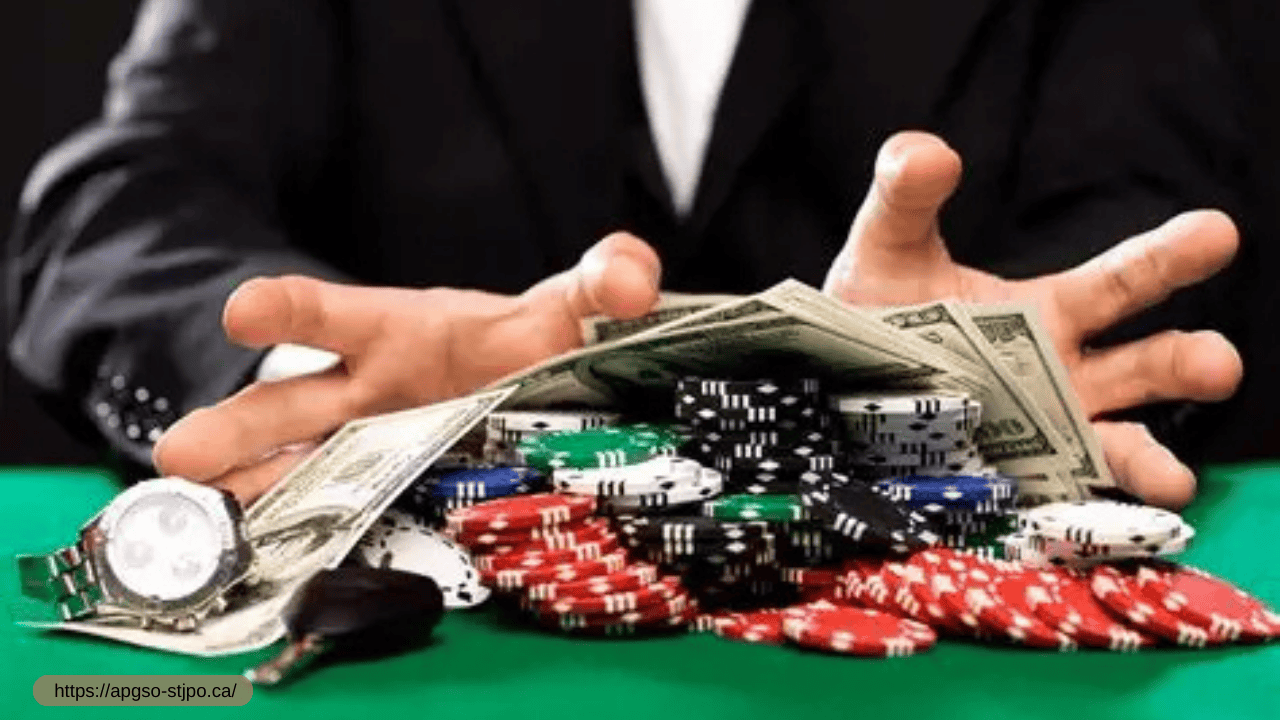 Gambling can appear harmless at first. A night at the casino, an online game, or even sports betting may feel like simple entertainment. But for some, gambling turns into something more serious. Gambling addiction often develops quietly, and families and friends are usually the first to notice changes. Recognizing the warning signs early is crucial in helping a loved one find the support they need. At
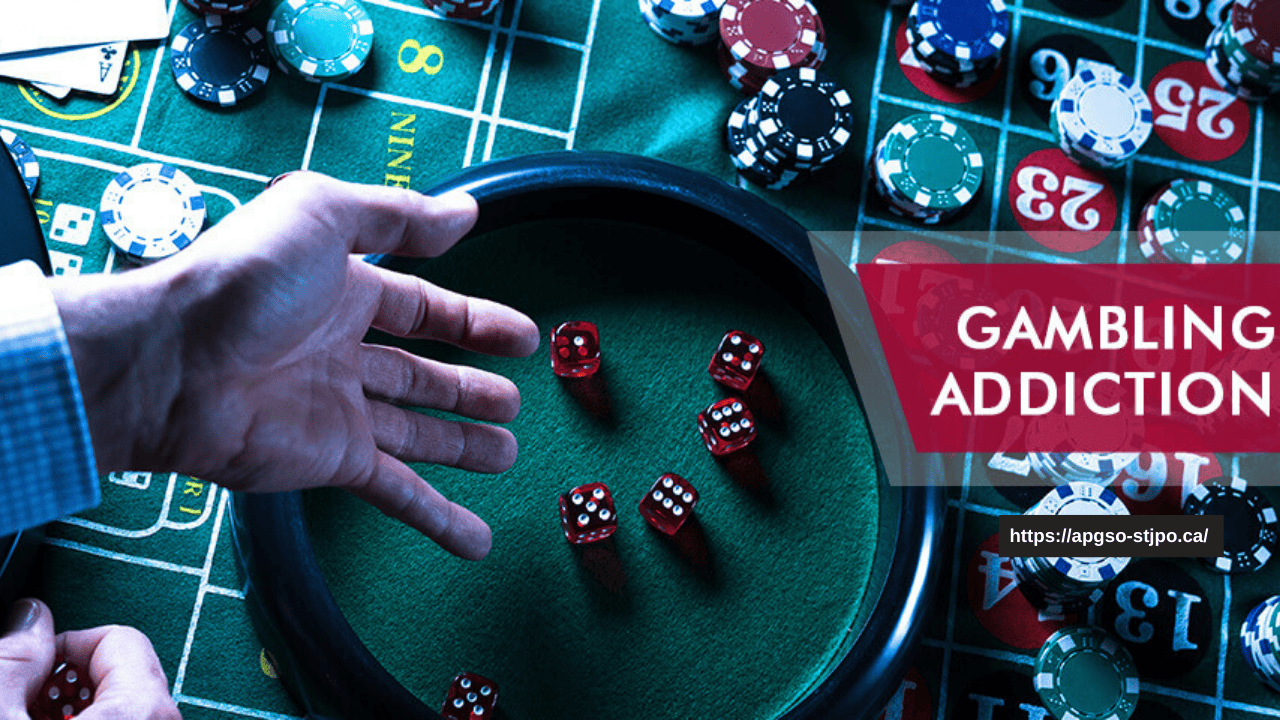 For many people, gambling begins as a form of entertainment. A lottery ticket, a friendly card game, or placing a bet on a sporting event can feel harmless and exciting. But when the occasional thrill turns into a persistent need, gambling can shift from fun to harmful. The transition is often gradual, and the early signs are subtle. At
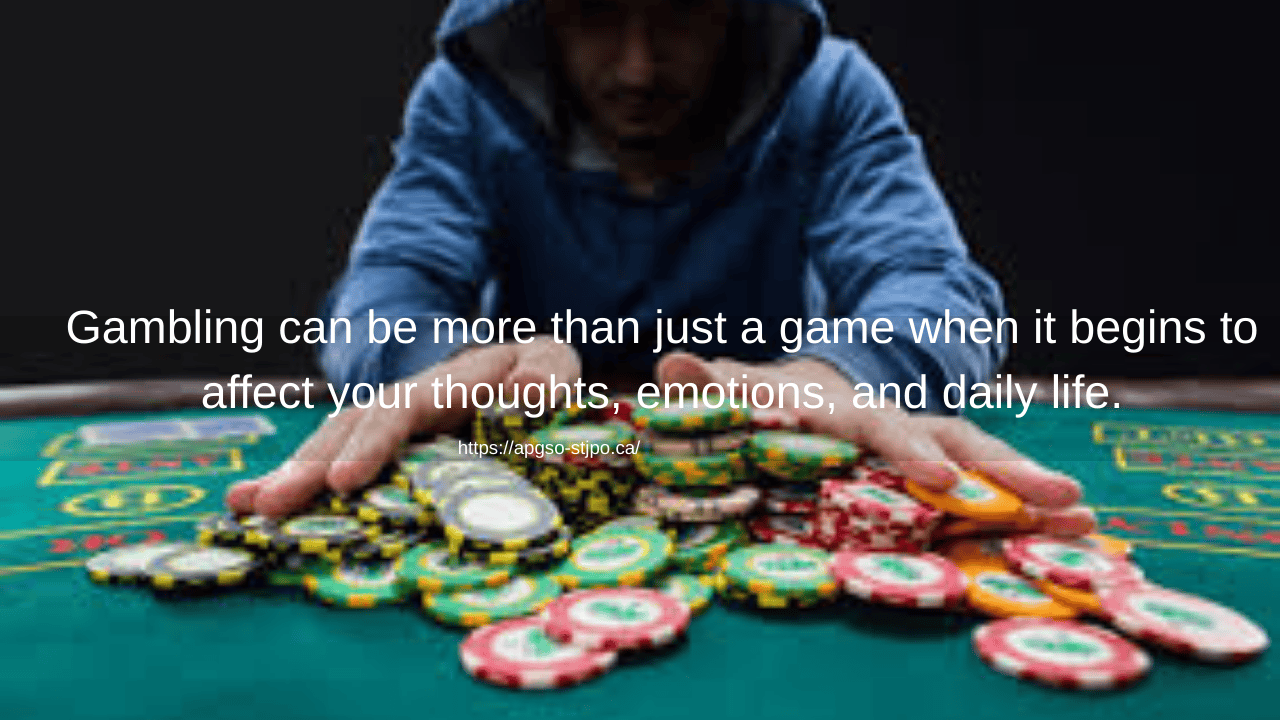
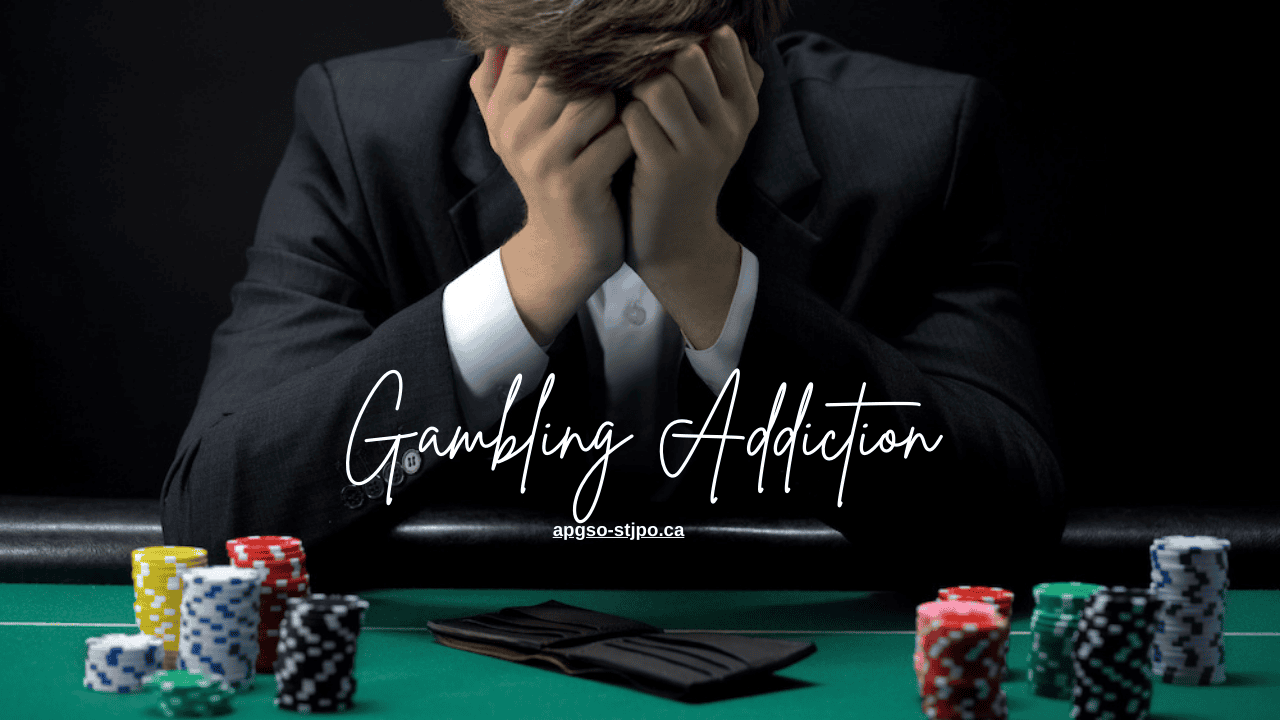 Gambling can begin as a harmless pastime, but for many people it can quietly grow into a serious addiction that affects mental health, relationships, and financial stability. Because the early signs of gambling disorder often go unnoticed, individuals and their loved ones may not recognize the problem until it has already caused deep emotional and financial harm. At
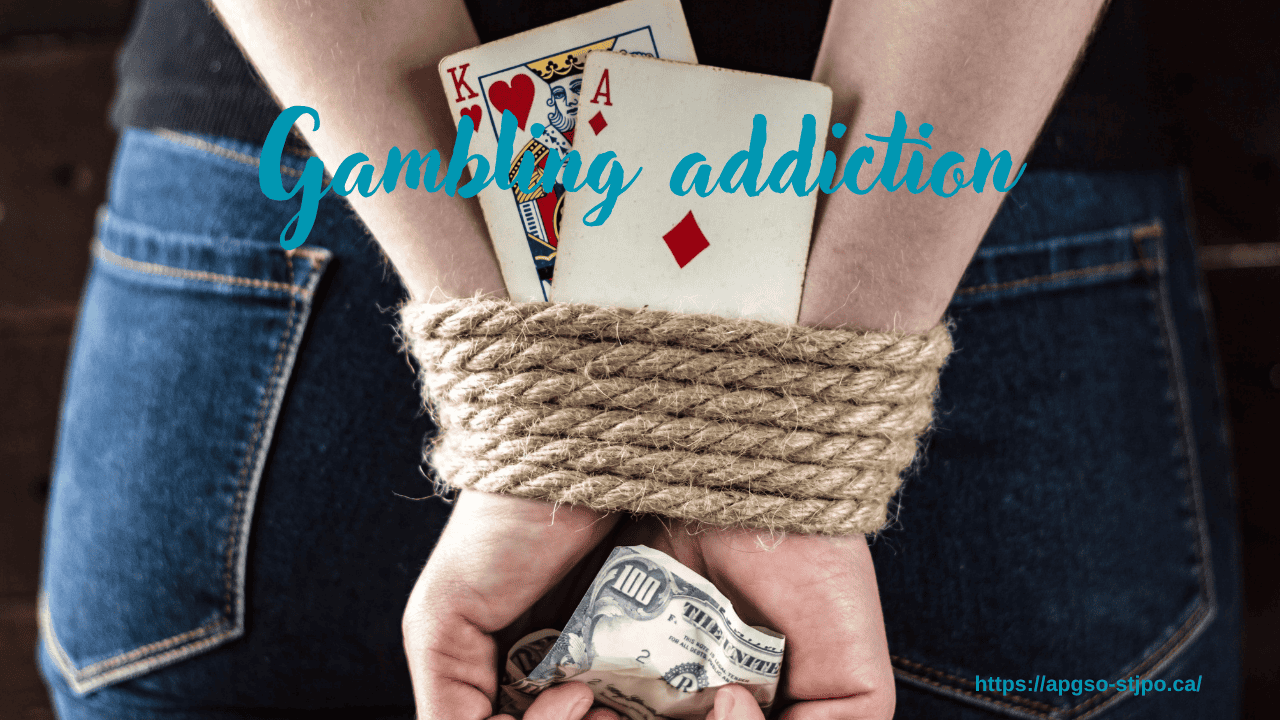 Gambling addiction is often called the “hidden illness.” Unlike substance use, the physical signs are rarely visible. But the emotional, financial, and psychological damage it causes can be just as severe. Many individuals suffering from gambling addiction appear high-functioning on the outside, yet are silently battling an internal storm. At