
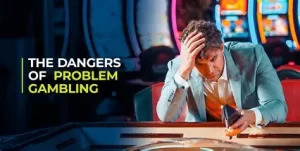
 Gambling does not always become a problem overnight. It can begin as occasional entertainment, a friendly wager, a sports bet, or a visit to a casino. However, when gambling starts taking control of your time, money, emotions, relationships, or daily responsibilities, it may be more than a recreational activity. Recognizing the signs of problem gambling early can help you understand what is happening and take meaningful steps toward recovery before the consequences become more difficult to manage.
What Is Problem Gambling?
Problem gambling occurs when a person continues to gamble despite experiencing negative consequences or having difficulty controlling the behavior. It is not defined only by how much money someone loses. A person can have a gambling problem even before experiencing severe financial hardship.
The more important question is whether gambling is beginning to interfere with everyday life.
For example, consider whether you:
- Spend more time gambling than you originally planned.
- Gamble with more money than you can comfortably afford.
- Think about gambling throughout the day.
- Try to stop but repeatedly return to gambling.
- Gamble to escape stress, anxiety, loneliness, or other difficult emotions.
- Hide your gambling from family or friends.
- Chase losses by placing additional bets.
- Borrow money or use credit to continue gambling.
- Miss work, school, or family responsibilities because of gambling.
- Experience significant mood changes connected to gambling.
One sign does not automatically mean someone has a gambling addiction. However, several of these patterns occurring together deserve serious attention.
How Gambling Can Begin Affecting Your Life
Gambling addiction can gradually influence almost every area of a person’s life. What makes the problem especially difficult to recognize is that the changes may happen slowly.
Financial Problems May Be the First Obvious Sign
Money problems are among the most visible consequences of problem gambling. A person may begin with small bets and gradually increase the amount they spend.
Over time, this can lead to:
- Increasing credit card balances
- Borrowing money from family or friends
- Using savings to gamble
- Missing bills
- Selling possessions
- Hiding financial transactions
- Accumulating significant debt
Financial pressure can then create additional stress, which may cause the person to gamble again as an attempted solution. This creates a cycle that can become increasingly difficult to break.
Gambling Can Affect Relationships
Problem gambling rarely affects only the individual. Partners, children, parents, friends, and other loved ones can also experience the consequences.
Secrecy is often a major part of the problem. Someone may minimize how much they gamble, hide losses, or avoid conversations about money. Over time, this can damage trust.
Arguments about finances may become more frequent. Family members may feel confused or betrayed. The person who gambles may withdraw because of embarrassment or fear of judgment.
A supportive response matters. Shame and criticism can make secrecy worse, while an honest and respectful conversation can make it easier for someone to acknowledge that help may be needed.
Emotional and Mental Health Warning Signs
Gambling addiction is not simply a financial issue. It can also have a significant connection with emotional and mental health.
Some people begin gambling because it temporarily provides an escape from difficult feelings. Gambling may offer distraction from:
- Anxiety
- Depression
- Stress
- Loneliness
- Boredom
- Relationship conflict
- Emotional pain
The problem is that gambling does not resolve the underlying issue. In fact, losses, secrecy, debt, and relationship conflict can create additional emotional distress.
Watch for Changes in Mood
Pay attention if your mood increasingly depends on gambling.
You may feel intense excitement when you win, anxiety when you lose, or irritability when you cannot gamble. You may also experience guilt or shame afterward.
If gambling has become one of your primary ways of managing emotions, it may be time to consider professional support.
Chasing Losses Is a Major Red Flag
One of the clearest warning signs of problem gambling is chasing losses.
After losing money, a person may believe that another bet will allow them to recover what they lost. This can create a dangerous thought pattern: one more win will solve the problem.
Unfortunately, another loss can increase the pressure to keep gambling.
The cycle may look like this:
Loss → frustration → another bet → another loss → larger bet → greater financial pressure
Breaking this cycle requires more than simply promising to gamble less. It often requires understanding the thoughts, emotions, triggers, and circumstances that keep the behavior going.
When Should You Consider Getting Help?
You do not need to wait until gambling has caused a major financial crisis or permanently damaged an important relationship before seeking support.
Consider reaching out for help if you notice that:
- You cannot reliably control how much or how often you gamble.
- You repeatedly promise yourself that you will stop but return to gambling.
- You are chasing losses.
- Gambling is affecting your finances.
- You are hiding gambling from people close to you.
- You are neglecting work, school, family, or other responsibilities.
- Gambling has become your main way of coping with difficult emotions.
- Your mental health is becoming harder to manage because of gambling.
Early support can provide an opportunity to address the problem before it becomes more deeply established.
What Does Treatment for Gambling Addiction Involve?
Effective recovery should look beyond the gambling behavior itself. Understanding why the behavior developed is an important part of creating lasting change.
According to APGSO-STJPO’s website, its approach emphasizes individualized addiction recovery and mental health treatment, with inpatient and outpatient options, holistic approaches, and faith-based support for individuals who want spirituality included in their recovery.
Individualized Treatment
There is no single reason why someone develops a gambling addiction. One person may be struggling with stress, while another may be dealing with unresolved emotional pain, relationship difficulties, trauma, or another mental health concern.
Individualized treatment can help identify the factors that contribute to unhealthy gambling patterns.
A personalized recovery plan may focus on:
- Identifying gambling triggers
- Developing healthier coping skills
- Addressing anxiety, depression, or other mental health concerns
- Improving emotional regulation
- Establishing healthier financial boundaries
- Repairing relationships
- Developing relapse prevention strategies
- Rebuilding confidence and personal stability
Inpatient Care
For some individuals, inpatient addiction recovery can provide the structure and stability needed to step away from harmful patterns.
A structured environment can allow someone to focus more fully on recovery while receiving comprehensive addiction and mental health support. This may be particularly helpful when gambling has become difficult to control or when significant emotional and behavioral challenges are present.
Outpatient Treatment
Outpatient care may be appropriate for individuals who need professional support while continuing to manage responsibilities such as work, school, or family life.
Treatment can help individuals recognize triggers, develop healthier responses to stress, address emotional concerns, and create practical strategies for maintaining recovery.
The right level of care depends on the individual’s circumstances. A professional assessment can help determine what type of support is most appropriate.
How Holistic and Faith-Based Support Can Help
Recovery involves more than stopping a behavior. It also involves learning how to build a healthier life without relying on gambling to provide excitement, escape, or emotional relief.
Holistic approaches can support physical, emotional, mental, and spiritual well-being. This broader perspective may help individuals develop healthier routines, strengthen relationships, manage stress, and reconnect with meaningful activities.
For people who want spirituality to be part of their recovery, faith-based support can provide another source of purpose, hope, accountability, and personal strength.
The important point is that these approaches should be personalized. What helps one person may not be the right fit for another.
Practical Steps You Can Take Today
If you are concerned about your gambling, you can begin making changes before treatment even starts.
Be Honest About the Pattern
Take an honest look at how gambling is affecting your life. Consider how much time and money you spend, what emotions trigger the behavior, and what consequences have already appeared.
Stop Trying to Recover Losses Through More Gambling
A previous loss cannot be reliably corrected by placing another bet. Chasing losses often increases financial and emotional harm.
Tell Someone You Trust
Keeping the problem secret can allow it to grow. Consider speaking honestly with someone who can offer support without encouraging the gambling behavior.
Protect Your Finances
Where appropriate, create practical barriers between yourself and gambling funds. This might include reducing access to gambling accounts, establishing spending limits, or asking a trusted person to help with financial accountability.
Seek Professional Support
If gambling is repeatedly affecting your life despite your efforts to stop, professional addiction and mental health support can provide tools that are difficult to develop alone.
Recovery Is Possible
Recognizing problem gambling does not mean that your future is defined by the mistakes or losses of the past. It means you have identified a pattern that needs attention.
Recovery can involve rebuilding financial stability, restoring relationships, improving emotional health, and learning healthier ways to handle stress and difficult feelings. It can also mean rediscovering interests, goals, values, and relationships that gambling may have pushed aside.
Most importantly, asking for help is not a sign of weakness. It is an active decision to regain control.
Take the Next Step Toward a Healthier Life
If gambling is affecting your finances, relationships, mental health, or daily responsibilities, do not wait for the situation to become a crisis. Problem gambling can become increasingly difficult to manage when it is ignored, but early support can create an opportunity for meaningful change.
A personalized approach to addiction recovery can help uncover the factors behind compulsive gambling while providing practical tools for healthier coping and long-term stability. Whether inpatient care, outpatient treatment, holistic support, faith-based guidance, or a combination of approaches is appropriate, the goal should remain the same: helping you build a life in which gambling no longer controls your choices.
The first step does not have to solve everything. It simply has to move you toward help. If gambling is affecting your life, consider having an honest conversation with a qualified professional and begin exploring the support available to you.