
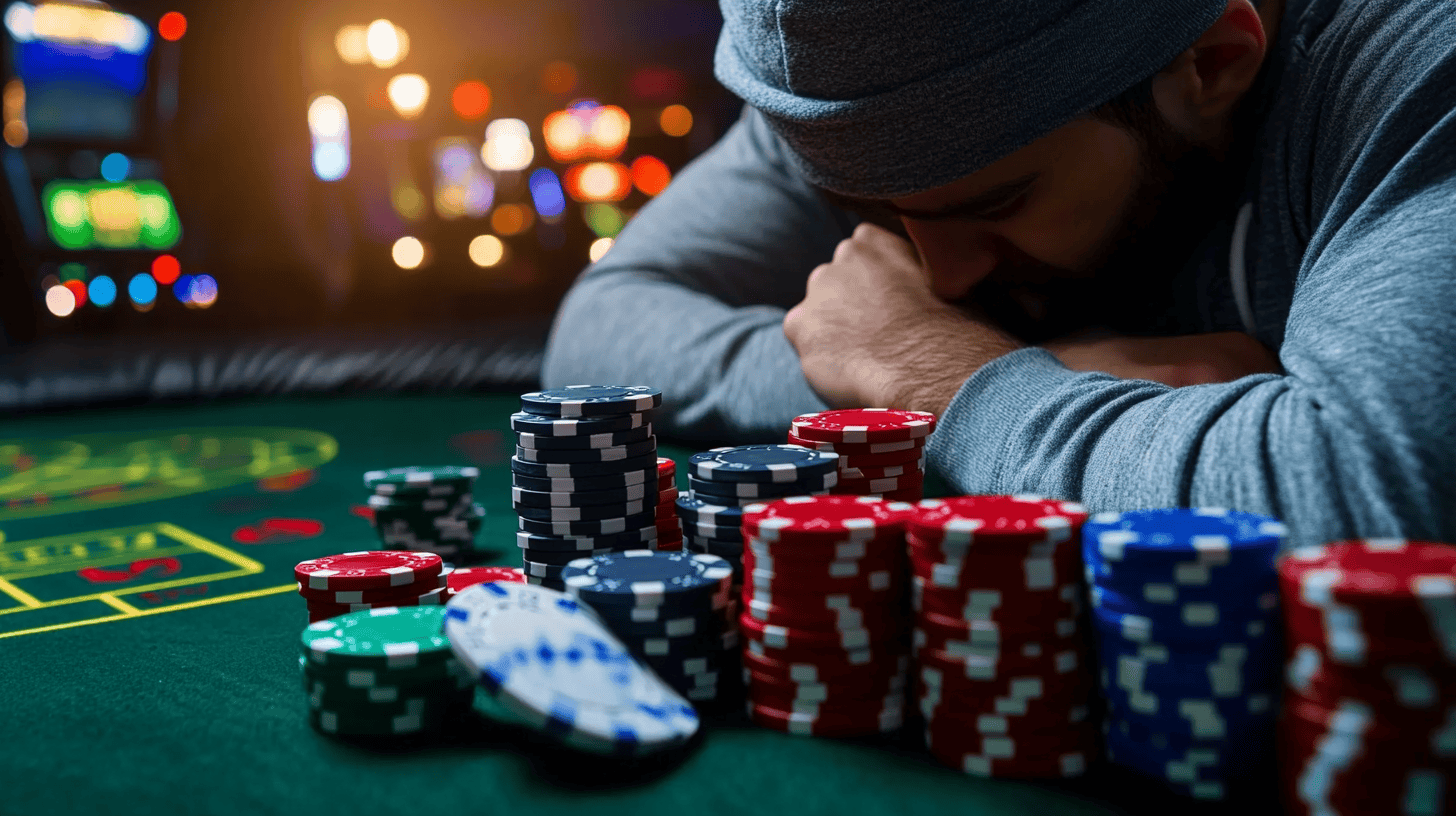
 Gambling can begin as an enjoyable pastime, but sometimes it gradually becomes a way to escape stress, manage difficult emotions, or cope with problems that feel overwhelming. When someone regularly turns to gambling to feel better, forget their worries, or find relief from anxiety, the behavior may be revealing something deeper than a desire to win money. Gambling as a coping mechanism can become a concern when temporary relief leads to financial pressure, relationship difficulties, emotional distress, or a growing sense of lost control. Understanding why gambling has become appealing is an important step toward recognizing problem gambling and finding a healthier path forward.
Why People Turn to Gambling to Cope With Difficult Emotions
Everyone develops ways to manage stress. Some people exercise, talk with friends, spend time outdoors, or pursue creative interests. Others may turn to activities that provide immediate distraction, including gambling.
For someone experiencing emotional pressure, gambling can offer an intense focus on the next bet or possible outcome. For a short time, worries about work, relationships, finances, or personal struggles may seem less important.
However, the relief may not last. Once gambling ends, the original problem can remain. If money has been lost or a person has gambled longer than intended, additional stress may develop.
This can create a cycle in which gambling becomes both an escape from emotional discomfort and a source of new problems.
Stress and the Need for Temporary Relief
Work pressure, family conflict, financial uncertainty, and major life changes can all affect emotional well-being. When these challenges feel difficult to manage, a person may look for an activity that provides a quick distraction.
Gambling can become appealing because it offers anticipation and excitement. Instead of thinking about a difficult conversation or an unresolved problem, the person focuses on the next outcome.
The concern arises when gambling becomes the primary response to stress. If someone repeatedly feels unable to relax or cope without betting, it may be time to explore other ways of managing emotional pressure.
Loneliness and Emotional Disconnection
Loneliness can also contribute to unhealthy gambling patterns. Online gambling platforms and certain gambling environments may provide a sense of activity, connection, or belonging, even when meaningful social support is missing.
For someone who feels isolated, gambling may temporarily fill an emotional gap. However, spending increasing amounts of time gambling can reduce opportunities to build supportive relationships and participate in rewarding activities.
Over time, this may deepen feelings of disconnection.
Developing healthier social connections can be an important part of recovery. Reconnecting with trusted friends, spending time with family when appropriate, joining community activities, or speaking with a mental health professional can help address loneliness without relying on gambling.
When Gambling Shifts From Entertainment to Emotional Dependence
Not everyone who gambles is experiencing an addiction. The important question is whether gambling remains a voluntary activity or becomes a behavior that feels increasingly difficult to control.
Recreational gambling generally has clear boundaries. A person can decide how much time and money to spend, accept losses, and stop when planned.
Problem gambling may look different. Someone may continue betting despite negative consequences, struggle to follow personal limits, or feel a strong urge to gamble whenever difficult emotions arise.
Several patterns can indicate that gambling is becoming an unhealthy coping mechanism.
Gambling Becomes the First Response to Stress
Consider what happens after a difficult day. Do you call someone you trust, take time to relax, or work through the problem? Or do you immediately feel the urge to gamble?
If gambling repeatedly becomes the first response to frustration, sadness, anxiety, or boredom, it may be serving an emotional purpose beyond entertainment.
This does not automatically mean a person has gambling disorder. However, recognizing the pattern can help identify when additional support may be beneficial.
You Feel Better While Gambling but Worse Afterwards
Another warning sign is a repeated contrast between temporary relief during gambling and distress afterwards.
You might feel distracted or excited while placing bets, only to experience guilt, regret, anxiety, or disappointment later. If those feelings become difficult to tolerate, you may feel drawn back to gambling for relief.
This pattern can reinforce itself over time. The more often gambling is used to escape uncomfortable feelings, the fewer opportunities a person may have to develop other coping skills.
Recognizing this cycle is an important step toward changing it.
You Gamble Despite Consequences
When gambling begins affecting important areas of life, it deserves serious attention.
Possible warning signs include:
- Spending more money than you can comfortably afford to lose.
- Borrowing money or using funds intended for essential expenses.
- Chasing losses in an attempt to recover previous bets.
- Hiding gambling activity from family or friends.
- Neglecting work, education, relationships, or household responsibilities.
- Repeatedly trying to stop or cut back without lasting success.
- Feeling restless or irritable when attempting to reduce gambling.
These behaviors can indicate a need for professional assessment. You do not have to wait for severe financial losses or a relationship crisis before seeking help.
What Problem Gambling Can Reveal About Mental Health
Gambling behavior can sometimes point to emotional or psychological difficulties that need attention. Although gambling does not always begin because of a mental health concern, the two can influence one another.
For example, a person experiencing anxiety may gamble to distract themselves from persistent worries. Someone dealing with depression may seek excitement or temporary relief. Another person may use gambling to avoid painful memories, relationship problems, or feelings of low self-worth.
In other cases, the stress created by gambling can contribute to anxiety, depressed mood, sleep difficulties, and feelings of hopelessness.
Anxiety and Persistent Worry
Anxiety can make everyday responsibilities feel difficult to manage. Gambling may offer a temporary distraction, but it does not resolve the underlying source of worry.
Financial uncertainty caused by gambling can also intensify anxiety. A person may begin worrying about debt, hiding losses, or disappointing loved ones.
Professional support can help individuals understand these patterns and develop healthier ways to manage anxious thoughts and stressful situations.
Depression and Loss of Motivation
Depression can affect energy, motivation, enjoyment, and a person’s sense of connection with others. Gambling may seem appealing because it offers anticipation or a brief change in mood.
However, when gambling replaces meaningful activities or contributes to financial and relationship problems, emotional well-being may decline further.
A comprehensive approach to recovery can help address both gambling behavior and symptoms of depression when they occur together. A qualified mental health professional can assess these concerns and recommend appropriate treatment.
Avoidance of Painful Experiences
Some people struggle with grief, trauma, unresolved conflict, or major life transitions. Gambling may become a way to avoid thoughts and feelings that seem too difficult to face.
Avoidance can provide temporary comfort, but it rarely resolves the underlying distress. With appropriate support, individuals can learn to process difficult experiences at a manageable pace and develop coping strategies that do not create additional harm.
Understanding these underlying concerns can help make recovery more meaningful and sustainable.
How to Identify Your Gambling Triggers
A useful first step is to pay attention to the circumstances that lead to an urge to gamble. Triggers can include particular emotions, situations, people, times of day, or access to gambling platforms.
Recognizing them can help you make informed choices before an urge becomes difficult to resist.
Keep Track of Your Emotional Patterns
For one or two weeks, consider recording the following information whenever you feel an urge to gamble:
- What happened beforehand: Did you experience an argument, a stressful task, or a disappointing event?
- What you were feeling: Were you anxious, lonely, angry, bored, or sad?
- What you wanted from gambling: Were you seeking excitement, distraction, financial relief, or a sense of control?
- What happened afterwards: Did gambling improve your situation, or did it create additional stress?
This exercise is not about judging yourself. It is about understanding the relationship between your emotions and your behavior.
You may discover that gambling urges occur most often during specific situations. That awareness can help you plan healthier responses.
Create an Alternative Coping Plan
Once you identify your triggers, choose a realistic alternative for each one.
For example, if loneliness often leads to gambling, arrange a regular phone call with someone you trust. If stress triggers an urge, try a short walk, a breathing exercise, or a conversation with a supportive person. If boredom is a common factor, schedule activities that provide enjoyment and a sense of accomplishment.
It is also helpful to reduce access to gambling opportunities. Depending on your circumstances, this may involve blocking gambling websites, using self-exclusion programs, limiting exposure to betting advertisements, or arranging additional safeguards around essential finances.
These steps can help, but they may not be sufficient on their own when gambling has become difficult to control. Professional treatment can provide more structured support.
How Individualized Treatment Can Support Recovery
Recovery from problem gambling involves more than simply avoiding bets. For people who use gambling to cope with emotional distress, lasting progress may require addressing both the behavior and the circumstances that contribute to it.
APGSO-STJPO’s website discusses gambling addiction, its effects, treatment options, and the importance of support. Its broader recovery approach includes inpatient and outpatient care, mental health treatment, holistic support, and faith-based approaches for people who wish to include spirituality in their recovery.
The right plan depends on the person’s needs, circumstances, and goals.
Inpatient and Outpatient Treatment
Inpatient care may be appropriate for individuals who need a structured environment and more intensive support. A treatment setting can provide space to focus on recovery, develop healthier routines, and address related concerns with professional guidance.
Outpatient care may suit individuals who can continue living at home while attending scheduled treatment sessions. This approach can help them work on coping strategies, recognize triggers, improve decision-making, and manage everyday challenges while receiving support.
A qualified professional can help assess which level of care is appropriate. Treatment recommendations should reflect the person’s situation rather than follow a single approach for everyone.
Holistic Support for the Whole Person
Holistic approaches recognize that emotional well-being is connected to physical health, relationships, daily routines, and a sense of purpose.
Depending on individual needs, recovery may include regular physical activity, healthy sleep habits, mindfulness practices, creative activities, supportive relationships, and meaningful community involvement.
These practices can complement professional treatment by providing healthier ways to manage stress and experience satisfaction. They should not be presented as a substitute for appropriate clinical care when a gambling addiction or mental health condition requires treatment.
Faith-Based and Individualized Recovery
For individuals who value spirituality, faith-based support may offer encouragement, community, reflection, and a renewed sense of purpose. Others may prefer a secular approach focused on therapy, behavioral change, and practical coping skills.
Neither person should have to follow a recovery model that conflicts with their values.
Individualized treatment respects these differences while helping each person work toward meaningful goals. It can also address co-occurring mental health concerns, relationship difficulties, and the practical consequences of gambling.
Most importantly, seeking help should be an opportunity to build a healthier life, not a reason to feel ashamed.
Supporting a Loved One Who Uses Gambling to Cope
If someone you care about appears to rely on gambling during stressful periods, approaching the situation with compassion can make an important difference.
Choose a calm moment to express your concerns. Focus on specific changes you have observed, such as financial pressure, secrecy, or withdrawal from family activities, rather than using labels or accusations.
You can offer to help the person explore professional support, but you cannot make recovery decisions for them. It is also important to establish reasonable boundaries around money and avoid taking on debts you cannot afford.
Loved ones deserve support, too. Speaking with a counselor or joining an appropriate support group can help family members manage their own stress and learn how to respond constructively.
Compassion does not mean ignoring harmful behavior. It means recognizing the person’s struggles while maintaining boundaries that protect everyone’s well-being.
Take the First Step Toward Healthier Coping
When gambling becomes a way to escape stress, loneliness, anxiety, or emotional pain, it may be a sign that something important needs attention. Temporary relief can gradually turn into a pattern that affects finances, relationships, mental health, and personal freedom.
The good news is that these patterns can be addressed. By identifying triggers, developing healthier coping skills, and seeking professional guidance when needed, individuals can begin building a life that does not depend on gambling for emotional relief.
If gambling is becoming difficult to control, consider reaching out to a qualified addiction or mental health professional. Inpatient treatment, outpatient support, holistic approaches, and faith-based care may offer different forms of help depending on your needs and preferences.
You do not have to wait until gambling causes a crisis before asking for support. Understanding why you gamble is not about blaming yourself. It is about discovering what you need to heal, finding practical ways to meet those needs, and taking the next step toward a healthier and more balanced future.