
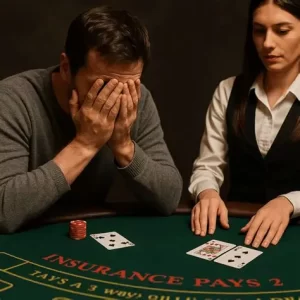
Gambling can begin as an occasional activity, a way to enjoy a game, or an attempt to add excitement to an ordinary day. However, when it becomes difficult to control, its influence can extend far beyond money. You may notice changes in your daily routines, become more irritable or withdrawn, or find yourself hiding things from people you once trusted. Over time, gambling addiction can affect how you see yourself and how you connect with others. Recognizing these changes is an important step toward understanding the problem and finding a path to recovery.
How Gambling Addiction Can Change Everyday Habits
One of the first effects of problem gambling is often a gradual shift in priorities. Activities that once mattered may receive less attention because more time and energy are devoted to gambling.
These changes do not always happen suddenly. A person may initially spend an extra hour betting or checking gambling results. Eventually, gambling may become part of their daily routine, influencing decisions about work, family time, finances, and leisure.
When Gambling Becomes the Main Focus
You might find yourself thinking about gambling during work, meals, or conversations. You may plan your schedule around betting opportunities or feel impatient when something prevents you from gambling.
Other interests can gradually lose their appeal. Activities that once brought enjoyment, such as spending time with friends, exercising, or pursuing hobbies, may begin to feel less important.
This shift can make everyday life feel increasingly centered on gambling rather than personal goals and meaningful experiences.
Changes in Financial and Personal Responsibilities
Gambling addiction can also affect how you manage money and meet everyday obligations.
You might begin using savings for betting, delaying bill payments, borrowing from others, or spending money intended for household needs. In some cases, you may justify these decisions by believing that a future win will resolve the financial pressure.
Unfortunately, chasing losses can create additional problems. Recognizing when gambling is influencing financial decisions can help prevent further harm and encourage timely support.
Understanding the Emotional Impact of Problem Gambling
Gambling does not only affect behavior. It can also influence mood, stress levels, and emotional well-being.
Some people experience excitement while gambling but feel anxious, disappointed, or guilty afterward. Others become increasingly frustrated when they cannot gamble or when results do not meet their expectations.
These emotional changes can affect relationships and make it harder to manage everyday challenges.
Irritability, Anxiety, and Emotional Ups and Downs
When gambling becomes difficult to control, mood may become closely connected to gambling outcomes.
A win can produce temporary excitement, while a loss may lead to anger, sadness, or worry. Financial pressure and the fear of being discovered can add further stress.
You may also notice that you become impatient with family members or friends, particularly when they ask questions about your gambling.
These reactions do not automatically establish an addiction. However, persistent emotional changes alongside other gambling-related concerns deserve attention.
Using Gambling to Escape Difficult Feelings
For some individuals, gambling becomes a way to avoid uncomfortable emotions.
Someone experiencing loneliness, anxiety, boredom, or personal stress may turn to gambling for distraction. The anticipation of a possible win can temporarily replace difficult thoughts with excitement.
However, this relief often does not last. When the activity ends, the original concerns may remain, sometimes accompanied by financial losses or guilt.
Understanding this emotional connection is important because lasting recovery involves addressing the reasons behind the behavior, not simply trying to avoid gambling opportunities.
How Gambling Can Affect Relationships
Relationships often reveal changes that a person may not immediately recognize in themselves. Loved ones may notice increased secrecy, broken promises, financial disagreements, or emotional distance.
Even when someone wants to protect their family, hiding gambling activity can gradually weaken trust.
Secrecy and Dishonesty Can Damage Trust
A person struggling with gambling may conceal losses, underestimate how much they have spent, or avoid conversations about their activities.
This secrecy may come from embarrassment or fear of disappointing others. However, it can leave family members feeling confused, excluded, or betrayed.
Rebuilding trust takes time. It often begins with honest communication, accountability, and a willingness to seek appropriate support.
Emotional Distance From Family and Friends
Gambling can take up so much time and attention that relationships receive less care.
You might miss family events, cancel plans, withdraw from conversations, or become less emotionally available. Loved ones may struggle to understand why your behavior has changed.
These difficulties can affect both the person gambling and the people around them. Family support and professional guidance can help everyone establish healthier communication and boundaries.
Financial Pressure Can Create Conflict
Money problems are a common source of tension when gambling becomes difficult to control.
Repeated losses, unpaid bills, borrowing, and disagreements about spending can create ongoing stress within a household. Loved ones may feel uncertain about financial security, while the individual may experience shame or defensiveness.
Addressing these concerns requires practical financial safeguards and a recovery plan that considers the needs of the household.
Recognizing When Gambling May Be Changing Your Sense of Self
It can be unsettling to realize that your habits and reactions no longer reflect the person you want to be. You may remember being more engaged with family, more confident with money, or more interested in activities outside gambling.
These changes do not mean your identity is permanently defined by addiction. They may indicate that gambling has begun influencing important parts of your life.
Consider asking yourself:
- Do I spend more time thinking about gambling than I used to?
- Have I stopped participating in activities that once mattered to me?
- Do I become defensive or anxious when someone asks about my gambling?
- Have I made financial decisions that conflict with my priorities?
- Do I gamble when I feel stressed, lonely, or upset?
- Have I tried to stop but found myself returning to the same behavior?
These questions are not a diagnostic test. Instead, they can help you identify patterns worth discussing with an addiction or mental health professional.
Practical Ways to Begin Rebuilding Healthy Habits
Recognizing the impact of gambling is important, but meaningful change also requires practical action. Small, consistent steps can help restore structure and create opportunities for healthier choices.
Reconnect With Activities That Matter
Think about the interests and relationships that have received less attention. You might begin with simple activities such as taking a walk, preparing meals with family, returning to a hobby, or meeting a supportive friend.
The goal is not to change everything overnight. Instead, gradually make room for experiences that provide enjoyment without gambling.
Create Boundaries Around Money and Gambling Access
Protecting essential finances can reduce immediate risks. Prioritize housing, food, utilities, transportation, and other necessary expenses.
You can also explore gambling account restrictions, blocking tools, and self-exclusion programs where available. If appropriate, ask someone you trust to help you establish financial safeguards.
Learn to Respond to Emotional Triggers
Notice what happens before you feel the urge to gamble. Stress, conflict, loneliness, boredom, and memories of previous wins or losses may all play a role.
Once you identify common triggers, consider healthier responses. Talking with someone, exercising, practicing relaxation techniques, or attending a counseling session may help you manage difficult emotions.
If gambling continues to feel difficult to control, professional treatment is an important next step.
How Individualized Addiction Treatment Supports Recovery
Gambling addiction can involve behavioral patterns, emotional challenges, and personal circumstances that differ from one individual to another. Effective care should consider these differences rather than relying on a single approach.
APGSO-STJPO’s focus on addiction recovery and mental health treatment includes support options such as inpatient and outpatient care. Treatment can help individuals understand their gambling patterns, address related emotional concerns, and develop healthier ways to manage everyday life.
Inpatient Care for a Structured Recovery Environment
Inpatient treatment provides a structured setting for people who need more intensive support.
Time away from everyday pressures and gambling-related triggers can allow individuals to focus on their recovery. Treatment may address emotional health, behavioral patterns, coping strategies, and the challenges affecting relationships and responsibilities.
A qualified professional can help determine whether this level of care is appropriate.
Outpatient Treatment for Support Alongside Daily Life
Outpatient treatment allows individuals to receive professional guidance while continuing to manage responsibilities at home, work, or school.
Through scheduled therapeutic support, individuals can work on understanding triggers, strengthening decision-making skills, and applying healthier coping strategies in everyday situations.
The right level of care depends on the person’s needs, circumstances, and clinical assessment.
Holistic and Faith-Based Approaches to Personal Growth
Recovery is not limited to stopping a harmful behavior. It can also involve restoring physical well-being, emotional balance, personal confidence, and a sense of purpose.
Holistic practices may support recovery through healthy routines, stress management, meaningful activities, and attention to overall well-being alongside appropriate clinical treatment.
For individuals who value spirituality, faith-based support can provide encouragement, reflection, and a sense of connection. These approaches can be incorporated into an individualized plan based on personal preferences and needs.
You Can Rebuild the Life You Want
If gambling has changed your habits, affected your mood, or created distance in your relationships, it is worth taking those changes seriously. You do not have to wait until every part of your life is affected before asking for help.
Recovery is possible, and it does not require you to face every challenge alone. With appropriate addiction treatment, mental health support, and a plan that respects your individual circumstances, you can begin developing healthier habits, restoring relationships, and making decisions that reflect your values.
Gambling may have influenced how you live today, but it does not have to determine your future. Reach out to APGSO-STJPO to explore available recovery support and take a meaningful first step toward a healthier, more balanced life.