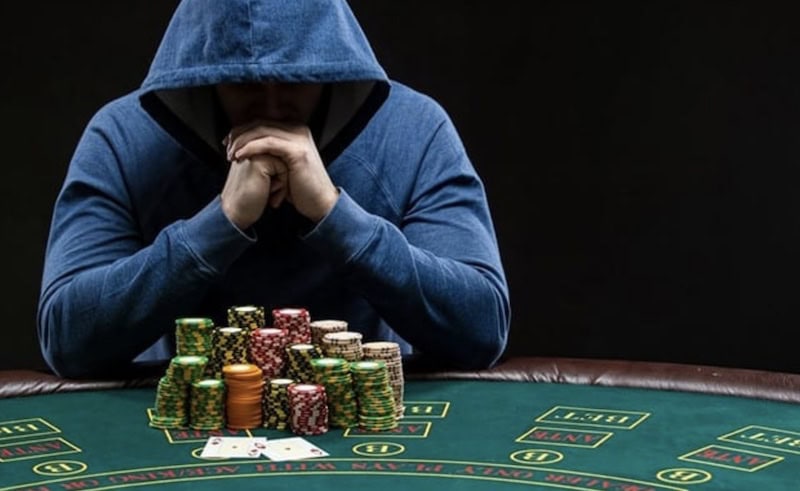
From Habit to Harm: How to Identify a Gambling Addiction Before It Takes Over Your Life

Gambling can start as a simple form of entertainment, a way to relax or socialize. For many, it remains a harmless activity. However, for some individuals, casual gambling can evolve into a serious problem that affects mental health, relationships, and finances. Recognizing the signs of gambling addiction early is critical to preventing long-term harm. At APGSO-STJPO, we provide compassionate, individualized support for those struggling with gambling and other behavioral addictions, guiding clients toward lasting recovery.

Understanding Gambling Addiction

Gambling addiction, also called compulsive gambling or gambling disorder, is a behavioral addiction characterized by an uncontrollable urge to gamble despite negative consequences. Unlike casual gambling, this condition can interfere with daily life, cause financial strain, and damage personal relationships. Addiction often develops gradually, making it difficult to detect until the effects are significant.

Why Gambling Addiction Develops

Several factors can contribute to the development of gambling addiction:

  • Emotional triggers: Stress, anxiety, and depression can lead individuals to use gambling as a coping mechanism.

  • Biological and psychological predispositions: Some people may have an increased vulnerability due to genetics or personality traits.

  • Environmental influences: Easy access to gambling venues, online platforms, and social pressures can accelerate the progression from casual use to addiction.

Warning Signs of Gambling Addiction

Identifying gambling addiction early can prevent harm and increase the chances of successful recovery. Here are key indicators to watch for:

Preoccupation with Gambling

Individuals with a gambling problem often spend excessive time thinking about past gambling experiences, planning future bets, or figuring out ways to finance gambling. This preoccupation can interfere with work, school, and personal relationships.

Chasing Losses

A common behavior in gambling addiction is chasing losses. This occurs when someone continues to gamble to recover money they have lost, creating a cycle of increasing risk and stress.

Financial and Legal Problems

Gambling addiction frequently leads to financial instability. Signs include unpaid bills, borrowing money, maxed-out credit cards, and in some cases, legal issues related to debt or fraud.

Emotional and Behavioral Changes

People struggling with gambling may experience mood swings, irritability, anxiety, and depression. They may use gambling to escape from difficult emotions or life challenges, further perpetuating the addiction.

Secretive Behavior

Hiding gambling activities is common. Individuals may lie about finances, hide receipts or transactions, and withdraw from social interactions to avoid confrontation or judgment.

Seeking Help for Gambling Addiction

If you or someone you love shows these warning signs, seeking help is vital. Early intervention can prevent further harm and set the stage for recovery. At APGSO-STJPO, we provide a comprehensive range of services tailored to each individual’s needs:

  • Inpatient and outpatient addiction treatment programs

  • Mental health support for co-occurring conditions

  • Holistic and faith-based approaches that promote overall wellness

  • Personalized care plans designed to address underlying causes of addiction

Our compassionate team helps clients explore their behaviors, develop healthy coping strategies, and rebuild their lives in a supportive environment.

Steps You Can Take Today

Recognizing a problem is the first step toward recovery. Here are some actionable steps:

  1. Reach out for professional support: Speaking to a counselor or addiction specialist can help clarify the next steps.

  2. Talk openly with trusted family or friends: Sharing your struggles can provide emotional support and accountability.

  3. Consider a structured treatment program: Programs that integrate mental health care, therapy, and holistic approaches offer a comprehensive path to recovery.

  4. Educate yourself: Understanding gambling addiction and triggers can empower you to make informed decisions about recovery.

Conclusion

Gambling addiction is a complex condition that can quietly take over a person’s life. However, with early recognition, professional support, and a tailored treatment plan, recovery is possible. APGSO-STJPO is dedicated to helping individuals regain control through compassionate, individualized care that addresses both mental health and behavioral challenges. If you or someone you love is struggling with gambling, do not wait to seek help. Take the first step today and contact our team to begin the journey toward lasting recovery.
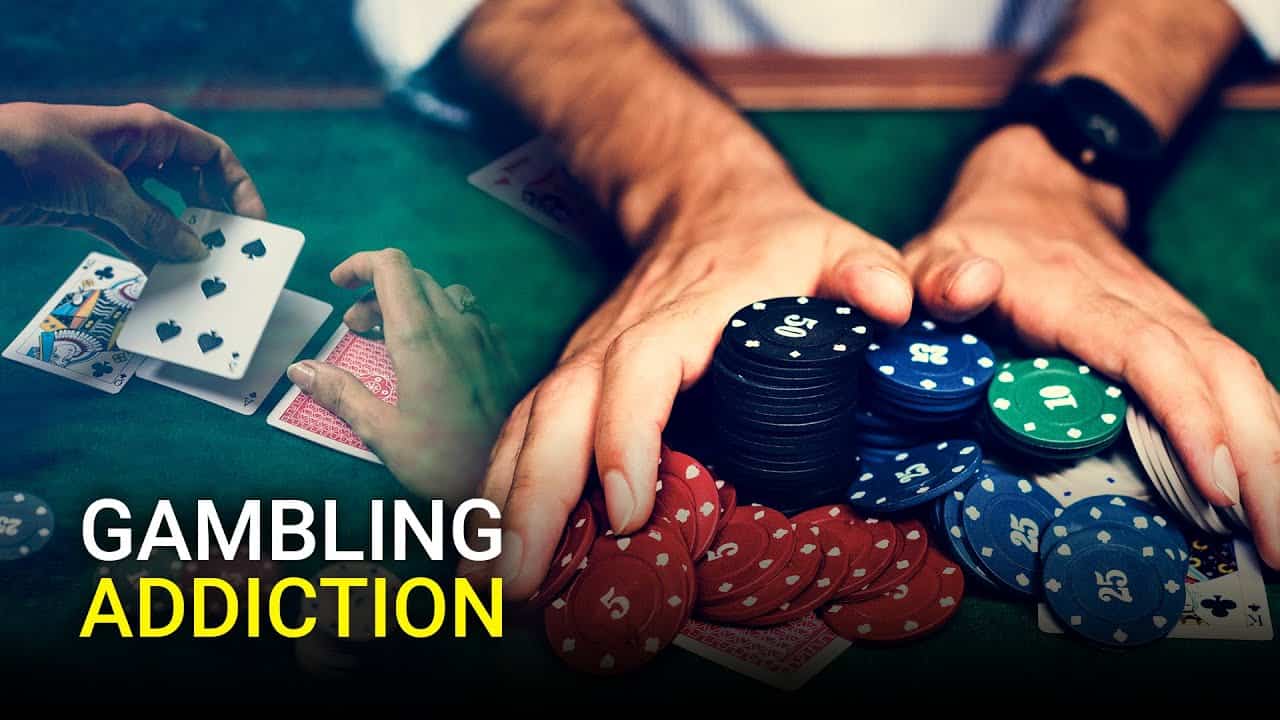
Recognizing the Hidden Signs of Gambling Addiction: What to Watch For and When to Seek Help

Gambling can start as a harmless pastime, but for some individuals, it can quickly become a serious problem that affects every aspect of life. Recognizing the hidden signs of gambling addiction early is essential for taking control and seeking the help you or a loved one may need. At APGSO-STJPO, we understand how challenging it can be to face these struggles, and we are committed to providing compassionate, individualized support for those on the path to recovery.

What is Gambling Addiction?

Gambling addiction, also known as compulsive gambling or gambling disorder, is a behavioral addiction characterized by the inability to resist the urge to gamble despite negative consequences. Unlike casual gambling, addiction impacts mental health, relationships, finances, and overall quality of life. It often develops gradually, making it difficult to detect until the consequences become severe.

Common Signs of Gambling Addiction

Identifying gambling addiction can be challenging because many behaviors are hidden. Here are some of the most common warning signs:

Preoccupation with Gambling

A person with a gambling problem often spends significant time thinking about past gambling experiences, planning future bets, or finding ways to obtain money to gamble. This preoccupation can interfere with daily responsibilities, work, and social life.

Chasing Losses

One of the hallmark behaviors of gambling addiction is chasing losses. Individuals may continue to gamble in an attempt to recover money they have lost, leading to a cycle of escalating losses and emotional distress.

Financial Problems

Frequent borrowing, maxed-out credit cards, unpaid bills, or sudden financial instability can be indicators of a gambling problem. Financial strain often contributes to feelings of guilt, shame, and anxiety.

Emotional Changes

Gambling addiction often leads to emotional instability, including irritability, depression, or anxiety. Individuals may use gambling as a coping mechanism to escape from stress, loneliness, or unresolved trauma.

Secretive Behavior

Those struggling with gambling may hide their activities from friends and family. They might lie about finances, spend excessive time away from home, or avoid social interactions to gamble without interference.

When to Seek Help

Recognizing the signs is the first step toward recovery. If you or a loved one experiences one or more of these behaviors, it is crucial to seek professional support. Early intervention can prevent further harm and improve the chances of lasting recovery.

At APGSO-STJPO, we offer a range of services tailored to individual needs, including:

  • Inpatient and outpatient addiction recovery programs

  • Mental health support for co-occurring disorders

  • Holistic and faith-based approaches that focus on overall well-being

  • Personalized care plans designed to address the root causes of addiction

Our team works closely with clients to create a safe, nonjudgmental environment where they can explore their challenges, develop healthier coping strategies, and regain control over their lives.

Steps to Take Today

If you suspect a gambling problem, taking action early is essential:

  1. Reach Out for Support: Contact a trusted professional or addiction specialist to discuss your concerns.

  2. Talk to Loved Ones: Sharing your struggle with family or friends can provide emotional support and accountability.

  3. Seek Treatment: Explore programs that combine mental health care, therapy, and holistic healing tailored to your needs.

  4. Educate Yourself: Learn about gambling addiction, triggers, and relapse prevention strategies to strengthen your recovery journey.

Conclusion

Gambling addiction is a complex and often hidden condition, but with early recognition and professional support, recovery is possible. APGSO-STJPO is dedicated to helping individuals overcome addiction through compassionate, personalized care that addresses both mental health and behavioral challenges. If you or someone you love is struggling with gambling, take the first step today and reach out to our team. Recovery begins with awareness, support, and the courage to seek help.

Outpatient vs Inpatient Care for Gambling Addiction: Which Path is Right for You?

Gambling addiction is a complex condition that affects not only financial stability but also mental health, relationships, and overall well-being. Choosing the right treatment approach is a critical step toward recovery. At APGSO-STJPO, we offer both inpatient and outpatient care programs designed to meet the unique needs of each individual. Understanding the differences between these approaches can help you make an informed decision and set the foundation for lasting recovery.


Understanding the Basics of Gambling Addiction Treatment

Gambling addiction often develops alongside stress, anxiety, depression, or trauma. Effective treatment addresses not just the behavior, but also the underlying emotional, mental, and sometimes spiritual challenges. At APGSO-STJPO, our programs integrate holistic, faith-based, and individualized care, offering a comprehensive approach to healing.

Both inpatient and outpatient care provide structured support, therapy, and recovery tools. The main difference lies in the level of supervision, intensity of care, and the environment in which treatment occurs.


Inpatient Care: Intensive Support for Focused Recovery

Inpatient care, also known as residential treatment, provides a highly structured environment for individuals who require intensive support. Patients live on-site, allowing them to fully immerse themselves in recovery without outside distractions.

Who Benefits Most from Inpatient Care

Inpatient programs are often recommended for individuals who:

  • Have a long history of gambling addiction or repeated relapses
  • Experience co-occurring mental health conditions, such as depression or anxiety
  • Struggle to maintain sobriety in their home environment
  • Require 24/7 monitoring for emotional or psychological stability

Key Features of Inpatient Programs

  • Round-the-clock support from trained professionals
  • Structured daily schedules including therapy, workshops, and activities
  • Individualized counseling tailored to mental health and addiction needs
  • Holistic and faith-based programming to support mind, body, and spirit

Inpatient care allows clients to focus fully on recovery while building coping skills, emotional resilience, and a strong foundation for long-term sobriety.


Outpatient Care: Flexible Support for Life Integration

Outpatient care provides treatment while allowing individuals to live at home, maintain work, or attend school. This option is ideal for those who do not require 24/7 supervision but still need professional guidance and structured support.

Who Benefits Most from Outpatient Care

Outpatient programs are well suited for individuals who:

  • Have a stable home environment and supportive family or social network
  • Are in the early stages of recovery or have successfully completed inpatient care
  • Can commit to scheduled therapy sessions while managing daily responsibilities

Key Features of Outpatient Programs

  • Regular counseling sessions, both individual and group-based
  • Skills-building workshops for relapse prevention and coping strategies
  • Holistic and faith-based elements integrated into weekly programming
  • Flexibility to maintain personal and professional commitments

Outpatient care emphasizes practical application of recovery skills in everyday life, helping individuals navigate triggers while staying connected to their community.


Choosing the Right Path for You

Deciding between inpatient and outpatient care depends on the severity of the addiction, personal circumstances, and mental health needs. Many individuals benefit from a combination: starting with inpatient care for intensive support, followed by outpatient programs to reinforce skills and maintain accountability.

A professional assessment at APGSO-STJPO can help determine the most effective treatment approach, ensuring care is tailored to individual needs, strengths, and goals.


The Holistic Advantage in Recovery

Regardless of the care model, holistic and faith-based approaches strengthen recovery outcomes. Addressing emotional, physical, and spiritual dimensions fosters resilience, restores hope, and empowers clients to rebuild their lives fully.


Take the First Step Toward Recovery

Choosing between inpatient and outpatient care is a personal decision that can shape the success of your recovery journey. Understanding your needs, seeking professional guidance, and engaging in holistic, compassionate treatment are essential steps toward overcoming gambling addiction.

If you or a loved one is struggling, reach out to APGSO-STJPO today. Our expert team offers personalized, faith-based, and comprehensive care to guide you toward lasting recovery, renewed hope, and a balanced, fulfilling life.

Gambling and Family Relationships: How to Rebuild Trust and Find Hope

Gambling addiction does not only affect the individual struggling with it—it deeply impacts family relationships, trust, and emotional well-being. Loved ones often experience betrayal, financial strain, and emotional distress, while the person with the addiction may feel shame, guilt, and isolation. Understanding how gambling affects families and learning strategies for rebuilding trust are essential steps toward healing. At APGSO-STJPO, we provide compassionate, holistic, and faith-based support to guide families and individuals toward recovery, restoration, and hope.


The Impact of Gambling on Family Dynamics

Gambling addiction creates ripple effects that touch every aspect of family life. Financial instability, secrecy, and emotional turmoil can strain communication and create a sense of mistrust. Children may feel confused or insecure, partners may struggle with resentment or fear, and extended family relationships can become tense or distant.

Emotional Consequences

Family members often experience stress, anxiety, and depression as a result of a loved one’s gambling behavior. The unpredictability of gambling can cause ongoing tension, feelings of betrayal, and a breakdown in open communication.

Financial Strain

Gambling frequently leads to significant financial problems. Families may face mounting debts, unpaid bills, or lost savings. Financial instability can magnify conflicts and make recovery seem daunting.


Steps to Rebuild Trust and Restore Relationships

Rebuilding trust after gambling addiction requires patience, consistency, and commitment from all parties. While the journey may be challenging, it is possible with the right support and strategies.

Open and Honest Communication

Encouraging transparent conversations is essential. Individuals recovering from gambling addiction should be willing to discuss their behavior openly, acknowledge mistakes, and provide reassurance to family members. Active listening and empathy from loved ones create a safe space for dialogue.

Establishing Boundaries

Setting healthy boundaries helps protect both the recovering individual and the family. Boundaries may include financial agreements, rules around gambling access, or limits on shared responsibilities. Clear expectations reduce misunderstandings and support accountability.

Seeking Professional Guidance

Professional support is invaluable in navigating the complexities of gambling recovery and family healing. Counseling, family therapy, and specialized addiction programs provide tools for communication, conflict resolution, and emotional support. At APGSO-STJPO, we offer individualized treatment plans that integrate mental health care, holistic approaches, and faith-based guidance.


The Role of Holistic and Faith-Based Recovery

Addressing gambling addiction within the family context is more effective when care includes emotional, spiritual, and relational dimensions. Holistic and faith-based approaches help individuals and families reconnect with values, purpose, and resilience.

Emotional Healing

Therapeutic techniques, mindfulness, and group support allow family members to process emotions, rebuild self-esteem, and learn coping strategies. Emotional healing is critical for repairing relationships and preventing relapse.

Spiritual Connection and Support

Faith-based practices provide guidance, hope, and a sense of community. Prayer, meditation, and reflection can help families and individuals restore trust, find forgiveness, and build resilience for long-term recovery.

Strengthening Family Bonds

Holistic programs focus on fostering healthy communication, shared activities, and mutual support. Families learn to rebuild trust gradually while creating an environment that nurtures accountability, compassion, and understanding.


Taking the First Step Toward Healing

Recovery from gambling addiction is not a solo journey. Families play a vital role in supporting their loved ones while also seeking support for themselves. Recognizing the impact of gambling, committing to open communication, and engaging in professional care are key steps toward restoration.

At APGSO-STJPO, we provide compassionate guidance through inpatient and outpatient care, individualized treatment plans, and holistic support designed to heal both the individual and the family unit. Our approach combines mental health treatment, addiction recovery services, and faith-based programs to address the full spectrum of needs.


Hope and Renewal Are Possible

While gambling addiction can create significant disruption in family relationships, recovery and healing are possible. Through transparency, boundaries, professional support, and holistic care, families can rebuild trust, restore connection, and find renewed hope for the future.

If you or a loved one is struggling with gambling addiction, reach out to APGSO-STJPO today. Our expert team provides compassionate, individualized care to guide your family on the path to healing, balance, and lasting recovery.

Is Online Betting a Hidden Risk? Recognising Signs of Problem Gambling in the Digital Age

Online betting has become part of everyday life for many people. With sports wagering apps, online casinos, and instant access through smartphones, gambling is no longer limited to physical locations or specific times. While many individuals believe they are simply enjoying entertainment, the digital nature of online betting can quietly increase the risk of problem gambling. Understanding the warning signs early can make a meaningful difference in recovery and long term well being.
At apgso-stjpo.ca, gambling addiction is approached with compassion, professionalism, and whole person care. Recognising the hidden risks of online betting is often the first step toward healing.

Why Online Betting Carries Unique Risks

Online gambling platforms are designed to be fast, convenient, and engaging. Unlike traditional gambling environments, there are few natural stopping points.

Constant Access and Privacy

Online betting is available twenty four hours a day. This constant availability makes it easier to gamble impulsively or in isolation. The privacy of gambling from home can also delay recognition of a problem, both for the individual and for loved ones.

Digital Triggers and Instant Rewards

Push notifications, live betting options, and quick payouts create powerful psychological triggers. These features can reinforce compulsive behavior and make it harder to pause or reflect on consequences.

Early Warning Signs of Online Gambling Problems

Problem gambling often develops gradually. Paying attention to subtle changes can help identify concerns before they escalate.

Increased Time and Money Spent Online

Spending more time on betting apps than intended is a common early sign. Individuals may chase losses, increase wager amounts, or feel unable to stop even after deciding to log off.

Emotional Changes Linked to Betting

Mood swings, irritability, anxiety, or restlessness when unable to gamble are strong indicators of developing dependence. Some individuals use online betting to cope with stress, loneliness, or emotional pain.

Secrecy and Withdrawal

Hiding betting activity, clearing browser histories, or becoming defensive when asked about online spending are red flags. Social withdrawal and neglecting responsibilities can also signal a growing issue.

H2: The Impact of Online Gambling on Mental Health

Online gambling problems are closely linked with mental health challenges.

Anxiety and Depression

Financial stress, guilt, and loss of control can worsen anxiety and depression. In some cases, individuals gamble more in an attempt to escape these feelings, creating a harmful cycle.

Sleep and Concentration Issues

Late night betting and constant digital stimulation disrupt sleep and focus. Over time, this affects emotional regulation, decision making, and overall mental health.

How Holistic and Faith Based Care Supports Recovery

Recovery from online gambling addiction requires more than restricting access to apps. It requires addressing emotional, mental, and spiritual needs.

Individualized Addiction Treatment

At apgso-stjpo.ca, treatment plans are tailored to each person’s experience. Inpatient and outpatient programs provide structure while addressing underlying emotional triggers and mental health conditions.

Faith Based Support and Purpose

Faith based care helps individuals reconnect with hope, values, and personal meaning. For many, spiritual guidance provides strength, accountability, and a renewed sense of identity beyond addiction.

Whole Person Healing

Holistic recovery includes counseling, mental health treatment, stress management, and healthy routines. Clients learn practical tools to manage urges, regulate emotions, and rebuild healthy relationships with technology.

When to Seek Help for Online Gambling Concerns

If online betting feels difficult to control, or if it is affecting mental health, finances, or relationships, it is time to seek support. Early intervention improves outcomes and prevents deeper harm.

Families and friends should also trust their instincts. Compassionate conversations, not judgment, often open the door to recovery.

Awareness Leads to Hope and Healing

Online betting may appear harmless, but its hidden risks can quietly lead to gambling addiction. Recognising the signs early allows individuals and families to take action before the consequences become overwhelming.

If you or someone you love is struggling with online gambling, apgso-stjpo.ca offers compassionate, faith based, and holistic care designed to support lasting recovery. Reach out today to learn how personalized treatment can help restore balance, purpose, and hope in the digital age.

Why Faith-Based and Holistic Approaches Matter in Gambling Addiction Recovery

Gambling addiction does not only affect finances or behavior. It impacts emotional health, relationships, spiritual well being, and a person’s sense of purpose. For many individuals and families, true healing requires more than symptom management. It requires whole person care. At apgso-stjpo.ca, faith based and holistic approaches are combined with professional addiction recovery and mental health treatment to create a path toward lasting transformation, hope, and stability.

Understanding Gambling Addiction as a Whole Person Illness

Gambling disorder is often linked to deeper struggles such as anxiety, depression, trauma, loneliness, and unresolved grief. The behavior itself is only one part of the condition. Without addressing the emotional and spiritual roots, recovery can feel incomplete or unstable.

Holistic treatment recognizes that mind, body, and spirit are deeply connected. When one area is neglected, the others suffer. A comprehensive recovery plan looks beyond the gambling behavior and focuses on restoring balance, identity, and purpose.

The Role of Faith in Healing and Recovery

Faith based recovery is not about forcing beliefs. It is about offering a framework of hope, meaning, and moral support that many people find deeply grounding.

Faith Restores Hope and Identity

Many people struggling with gambling addiction experience shame, guilt, and a loss of self worth. Faith centered care helps individuals reconnect with their inherent value and dignity. It reminds them that they are not defined by their addiction and that forgiveness and renewal are always possible.

Spiritual Practices Build Inner Strength

Prayer, meditation, scripture study, and quiet reflection help calm the nervous system and strengthen emotional resilience. These practices reduce anxiety, improve self control, and support long term recovery by giving individuals tools they can use every day.

Why Holistic Care Strengthens Long Term Recovery

Holistic approaches address the full range of human needs, not just addictive behavior.

Mental Health Treatment as a Foundation

Untreated mental health conditions often drive gambling behavior. Professional counseling, trauma informed therapy, and psychiatric support help individuals process their feelings in a safe, structured way. This reduces the urge to gamble as a way of coping.

Physical and Lifestyle Healing

Sleep, nutrition, movement, and stress management are critical in recovery. Holistic programs teach individuals how to care for their bodies, regulate stress, and develop healthy daily routines. As physical health improves, emotional stability increases.

Emotional and Social Reintegration

Isolation fuels addiction. Holistic programs emphasize peer support, group therapy, and healthy community connection. Individuals learn how to rebuild trust, communicate effectively, and form meaningful relationships without relying on gambling.

Individualized Care at apgso-stjpo.ca

No two recovery journeys are the same. That is why apgso-stjpo.ca offers individualized care through both inpatient and outpatient programs. Treatment plans are tailored to each client’s history, mental health needs, family dynamics, and personal goals.

Clients receive support through:

Structured Inpatient Treatment

Inpatient care offers a safe, focused environment for individuals who need intensive support and medical oversight. This setting allows for deep emotional and spiritual work without outside distractions.

Flexible Outpatient Programs

Outpatient care provides ongoing structure while allowing individuals to maintain work and family responsibilities. This option is ideal for those who need strong support but also require flexibility in their daily lives.

Real Life Benefits of Faith Based and Holistic Recovery

People who engage in these approaches often experience:

  • Stronger emotional stability

  • Improved self awareness and coping skills

  • Renewed sense of purpose and direction

  • Healthier relationships and communication

  • Greater long term recovery success

These outcomes are not accidental. They result from treating the whole person with dignity, respect, and compassion.

A Path to Whole Person Healing Starts Today

Recovery from gambling addiction is not just about stopping a behavior. It is about restoring hope, rebuilding identity, and creating a healthy, meaningful life. Faith based and holistic approaches provide the depth of healing many people need to sustain long term recovery.

If you or someone you love is struggling with gambling addiction, the compassionate team at apgso-stjpo.ca is ready to help. Reach out today to learn how individualized, holistic, and faith centered care can support your journey toward lasting freedom and peace.

Supporting a Loved One with a Gambling Disorder: A Compassionate Guide

Watching someone you care about struggle with gambling can be stressful, confusing, and emotionally draining. Gambling disorder affects not only the individual but also the family, friends, and community around them. Recognizing the signs, understanding the impact, and knowing how to respond with compassion are essential for supporting recovery. At APGSO-STJPO, we provide holistic, client-centered care that empowers both individuals struggling with gambling addiction and their loved ones.


Understanding Gambling Disorder

Gambling disorder is a recognized mental health condition characterized by persistent and recurrent problematic gambling behavior. It can interfere with work, relationships, finances, and overall well-being. Unlike casual or recreational gambling, this disorder is driven by compulsion, emotional escape, and altered brain reward patterns.

Understanding that gambling disorder is a medical and psychological issue, not a moral failing, is critical. This perspective allows loved ones to approach the situation with empathy rather than judgment, creating a safe environment for open dialogue and support.


Signs Your Loved One May Be Struggling

While each individual’s experience is unique, there are common warning signs that may indicate a gambling problem:

Behavioral Indicators

  • Preoccupation with gambling and constant planning of bets
  • Hiding gambling activities or lying about time and money spent
  • Neglecting responsibilities, such as work, school, or family commitments

Emotional and Mental Health Clues

  • Irritability, anxiety, or restlessness when unable to gamble
  • Guilt, shame, or low self-esteem related to gambling behaviors
  • Depression or withdrawal from social interactions

Financial Red Flags

  • Frequent borrowing or maxed-out credit cards
  • Selling personal items to fund gambling
  • Chasing losses in an attempt to recover money

Recognizing these signs early allows you to provide timely support and encourage professional intervention before the problem escalates.


How to Support Without Enabling

Supporting a loved one with gambling disorder requires a delicate balance between compassion and setting healthy boundaries. Here are practical strategies:

Communicate with Empathy

Choose calm, private moments to express concern. Use “I” statements to share observations without assigning blame, for example: “I’m worried about how gambling is affecting your health and our family.”

Set Boundaries

Boundaries protect both your well-being and the loved one struggling with gambling. Avoid providing financial assistance that may enable gambling. Clearly define what support you can provide and communicate it gently.

Encourage Professional Help

Gambling addiction is complex and often requires professional intervention. Encourage your loved one to seek help from trained specialists, such as those at APGSO-STJPO, where clients receive individualized care, mental health support, and holistic treatment.

Take Care of Yourself

Supporting someone with gambling disorder can be emotionally taxing. Engage in self-care practices, seek support from friends or counseling, and consider joining support groups for families affected by gambling addiction.


Professional and Holistic Resources

At APGSO-STJPO, we provide comprehensive care for individuals and families dealing with gambling disorder. Our services include:

  • Addiction recovery programs tailored to individual needs
  • Inpatient and outpatient care to suit different recovery stages
  • Mental health treatment addressing underlying emotional challenges
  • Holistic and faith-based support focusing on mind, body, and spirit

These integrated approaches ensure that both the individual struggling with gambling and their loved ones receive guidance, support, and tools for long-term recovery.


Compassion and Action Lead to Healing

Supporting a loved one with gambling disorder is challenging, but your compassion can make a real difference. Recognizing warning signs, maintaining empathy, and encouraging professional care are crucial steps toward recovery.

If you or someone you care about is struggling, reach out to APGSO-STJPO today. Our team of experts is ready to provide compassionate guidance, individualized treatment, and holistic support to help your family navigate this journey and rebuild hope, trust, and stability.

Behind the Bet: How Gambling Affects Mental Health and What You Can Do

Gambling is often viewed as a harmless way to relax or enjoy a night out, but for many people the experience runs much deeper. Beneath the excitement, gambling can have a significant impact on emotional well-being, relationships, and long-term mental health. Understanding how gambling affects the mind is an important first step in recognizing problems early and seeking meaningful support. At APGSO-STJPO, we offer compassionate and personalized treatment to help individuals and families navigate the complex challenges of gambling addiction with dignity and hope.


The Hidden Mental Toll of Gambling

While the financial consequences of gambling are widely recognized, the mental health effects often go unnoticed until they become overwhelming. Gambling stimulates the brain’s reward system, creating a cycle of anticipation and relief that can quickly become difficult to manage. Over time, people may gamble not for enjoyment but to escape stress, numb difficult emotions, or cope with personal challenges.

Stress and Anxiety Linked to Gambling

The uncertainty of gambling creates intense emotional highs and lows. When losses accumulate or control begins to slip, stress levels rise. Many people develop constant anxiety about finances, relationships, or how to hide their gambling behaviour. This cycle can interfere with sleep, concentration, and day-to-day responsibilities.

Depression and Emotional Exhaustion

The emotional aftermath of gambling losses can lead to feelings of hopelessness, shame, and low self-worth. For some individuals, these feelings intensify over time, especially when gambling becomes a way to escape emotional pain. Depression often emerges when gambling begins to affect family life, finances, and one’s overall sense of stability.

Isolation and Withdrawal

As gambling problems grow, many individuals withdraw from social connections. They may avoid loved ones, skip responsibilities, or spend long periods alone. This isolation increases vulnerability to mental health struggles, making recovery even more difficult without outside support.


How Gambling and Mental Health Influence One Another

Gambling addiction and mental health challenges often reinforce each other. Stress or anxiety can increase the urge to gamble, while losses and shame deepen emotional struggles. This creates a pattern where gambling becomes both the cause and the attempted solution to distress.

Co-occurring Mental Health Conditions

Many individuals struggling with gambling addiction also experience depression, anxiety disorders, trauma responses, or substance use challenges. Addressing these underlying issues is a key part of long-term healing. At APGSO-STJPO, our integrated mental health services ensure both the addiction and the emotional roots behind it are treated with care and understanding.

Spiritual and Emotional Disconnection

For those seeking faith-based or holistic recovery, gambling can create a sense of spiritual disconnection or inner conflict. Healing requires addressing not only the behaviour but also the emotional and spiritual wounds that gambling can create.


What You Can Do to Protect Your Mental Health

Early recognition and support can prevent gambling from causing deeper emotional harm. Whether you are concerned for yourself or someone close to you, these steps can help.

Know the Signs of Mental Strain

Pay attention to:

  • Ongoing stress or worry related to gambling
  • Mood swings tied to wins or losses
  • Difficulty focusing at work or school
  • Hiding gambling activities
  • Using gambling to escape emotional pain

These signs indicate that the behaviour may be affecting mental well-being.

Reach Out for Support

Talking about gambling concerns can feel intimidating, but reaching out is one of the most powerful steps you can take. Support from a trusted friend, family member, or professional can provide clarity and relief.

Seek Professional Treatment

Professional help is often essential when gambling begins to impact mental health. APGSO-STJPO offers:

  • Personalized addiction recovery
  • Mental health treatment
  • Inpatient and outpatient care options
  • Holistic and faith-based guidance
  • Support for families affected by gambling

Our client-centered approach ensures that individuals feel understood, respected, and supported throughout their healing journey.


Hope and Healing Are Within Reach

Gambling’s impact on mental health can be profound, but recovery is absolutely possible with the right support. When you understand the emotional effects behind the bet, you can take meaningful steps toward change. If you or someone you care about is struggling, APGSO-STJPO is here to help with compassionate, holistic, and individualized care. Reach out today to begin a path toward stability, strength, and renewed well-being.

From Play to Problem: Understanding the Transition in Gambling Behaviour

Gambling can start as harmless fun—a way to unwind, socialize, or experience excitement. For most, it remains an occasional pastime. However, for some, what begins as simple entertainment can gradually turn into a compulsion with serious consequences. Understanding how gambling transitions from play to problem is crucial for early recognition and intervention. At APGSO-STJPO, we provide compassionate, individualized care to help individuals and families navigate the challenges of gambling addiction and reclaim control over their lives.


The Subtle Shift from Entertainment to Addiction

Gambling addiction, also known as gambling disorder, does not happen overnight. The transition is often gradual, making it difficult for individuals and loved ones to notice. Initially, gambling may be an occasional activity driven by curiosity or social engagement. Over time, it can evolve into a behavior that dominates thoughts, decisions, and daily routines.

Psychologically, gambling stimulates the brain’s reward system. Wins create pleasure and excitement, which reinforce the behaviour. As tolerance builds, individuals may increase the frequency or size of bets to chase the same level of excitement. This pattern can slowly lead to financial strain, emotional stress, and relational tension.


Early Warning Signs of Problem Gambling

Identifying gambling problems early can prevent deeper harm. While each individual’s experience is unique, there are common behavioral, emotional, and financial indicators to watch for.

Behavioral Clues

  • Preoccupation with gambling: Constant thoughts about past or future bets.

  • Increasing risk-taking: Placing larger or more frequent bets to maintain excitement.

  • Neglecting responsibilities: Skipping work, school, or family obligations due to gambling.

Emotional Signs

  • Mood fluctuations: Anxiety, irritability, or restlessness when unable to gamble.

  • Guilt and shame: Hiding gambling activities or lying to loved ones about behaviour.

  • Depression or stress: Emotional strain linked to financial losses or secretive behavior.

Financial Red Flags

  • Chasing losses: Trying to recover money through additional gambling.

  • Unexplained financial strain: Borrowing money frequently, maxed-out credit cards, or difficulty paying bills.

  • Impulsive spending: Using funds intended for essentials to gamble.

Recognizing these signs is the first step toward helping someone regain control and preventing further harm.


The Role of Compassion in Intervention

Approaching someone about gambling problems requires sensitivity. Individuals struggling with gambling often experience shame, denial, and fear of judgment. At APGSO-STJPO, we encourage families and friends to engage with empathy and support rather than criticism. Open, non-confrontational communication can make it easier for someone to acknowledge the problem and accept help.


Professional and Holistic Support

Early recognition is most effective when paired with professional care. APGSO-STJPO offers addiction recovery services, mental health treatment, inpatient and outpatient care, and holistic, faith-based programs tailored to each individual’s needs. Our client-centered approach addresses not only gambling behaviors but also underlying emotional, psychological, and spiritual challenges. Through personalized care, clients can rebuild trust, restore balance, and develop coping strategies for long-term recovery.


Moving from Awareness to Action

Gambling can transition from play to problem without notice, affecting every aspect of life. Understanding the warning signs, approaching loved ones with compassion, and seeking professional support are key steps toward healing.

If you or someone you care about is struggling with gambling, reach out to APGSO-STJPO today. Our compassionate team is here to guide you through recovery, restore hope, and help you regain control of your life.

When Curiosity Becomes Compulsion: Early Warning Signs of Gambling Addiction

For many people, gambling begins as a harmless source of excitement—a way to unwind, socialize, or test their luck. But what starts as occasional fun can quietly grow into a compulsive behavior that affects mental health, relationships, and financial stability. Understanding when curiosity turns into compulsion is essential for early intervention. At APGSO-STJPO, we help individuals and families recognize the subtle signs of gambling addiction and begin the journey toward recovery through compassionate, holistic, and faith-based care.


Understanding the Shift from Entertainment to Addiction

Gambling addiction, also known as gambling disorder, is not just about losing money. It is a progressive condition that alters the way the brain experiences reward and control. Early on, a person may gamble for entertainment or to relieve stress. However, as time passes, they might start chasing losses, increasing bets, or hiding their gambling behavior.

This shift happens gradually. The brain releases dopamine during gambling activities, reinforcing feelings of pleasure and excitement. Over time, the individual may crave that “rush,” leading them to gamble more frequently or take bigger risks, even when it causes harm. Recognizing this transition early is vital in preventing deeper emotional, financial, and psychological consequences.


Early Warning Signs to Watch For

Identifying the early stages of gambling addiction can be challenging, especially since many people minimize or rationalize their behavior. However, several common indicators suggest that gambling may be becoming a problem.

Emotional and Behavioral Clues

  • Preoccupation with gambling: Constantly thinking about betting, planning the next game, or reliving past wins.

  • Irritability when not gambling: Feeling restless, anxious, or agitated when unable to gamble.

  • Secrecy and isolation: Hiding gambling activities or lying to friends and family about time and money spent.

  • Neglecting responsibilities: Missing work, skipping social events, or ignoring family obligations due to gambling.

Financial and Lifestyle Red Flags

  • Unexplained financial strain: Frequent borrowing, missing bill payments, or selling possessions.

  • Chasing losses: Trying to win back lost money, often leading to even greater losses.

  • Risky decision-making: Taking impulsive financial or personal risks to continue gambling.

Recognizing these red flags early can make a significant difference. The sooner help is sought, the greater the chance for full recovery.


The Emotional Impact of Gambling Addiction

Beyond the financial stress, gambling addiction can take a heavy toll on mental health. Feelings of guilt, shame, and anxiety often accompany compulsive gambling, leading to depression or even thoughts of hopelessness. Loved ones may experience frustration and emotional distance as trust erodes.

At APGSO-STJPO, we understand that gambling addiction is not a moral failure but a mental health condition that deserves compassion and professional support. Our holistic approach focuses on healing the mind, body, and spirit, helping clients rebuild self-worth and rediscover balance in their lives.


Taking the First Step Toward Healing

If you or someone you love is showing signs of gambling addiction, help is available. Recovery starts with acknowledgment and a willingness to seek support. At APGSO-STJPO, we provide comprehensive treatment options including inpatient and outpatient programs, faith-based counseling, and individualized care plans tailored to each person’s unique journey.

Our compassionate team helps clients develop coping strategies, repair relationships, and regain financial and emotional stability. Through holistic therapy, spiritual guidance, and evidence-based practices, recovery becomes not only possible but sustainable.


Reclaiming Control and Finding Hope

Gambling addiction can affect anyone, regardless of age or background. The good news is that early recognition and timely intervention can change the outcome. If you recognize these warning signs in yourself or someone you care about, do not wait for the situation to worsen.

Reach out to APGSO-STJPO today to learn more about our addiction recovery and mental health services. Together, we can turn awareness into action and help you or your loved one find lasting peace and recovery.