
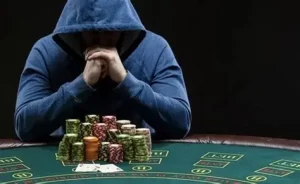
 Gambling can start as entertainment, a social activity, or a way to unwind. However, for some individuals, what begins as casual play can gradually shift into something that feels harder to control. If gambling is starting to affect your emotions, finances, relationships, or daily responsibilities, it may be a sign of a deeper problem. At APGSO-STJPO, we provide compassionate, individualized addiction recovery and mental health care designed to help individuals regain stability, clarity, and control over their lives.
Understanding Gambling Addiction
Gambling addiction, also known as gambling disorder, is a behavioral addiction where a person feels unable to stop gambling even when it causes harm. Unlike occasional gambling, this condition is driven by compulsion rather than choice. Over time, it can impact mental health, financial security, and personal relationships.
Early recognition is essential. The sooner a gambling problem is identified, the more effective treatment and recovery can be.
Why Gambling Becomes Difficult to Control
Several factors can contribute to the development of gambling addiction:
- Emotional distress such as stress, anxiety, or depression
- The excitement and reward cycle of wins and near wins
- Using gambling as an escape from personal challenges
- Easy access through online platforms and mobile apps
When gambling becomes a coping mechanism, it can quickly move from casual activity to compulsive behavior.
Early Signs Gambling May Be Taking Control
Recognizing the early warning signs of gambling addiction can prevent long term harm. These indicators often appear gradually and may be easy to overlook at first.
Emotional and Mental Health Changes
One of the earliest signs is a shift in emotional well-being. You may notice:
- Feeling restless, anxious, or irritable when not gambling
- Thinking about gambling frequently, even during other activities
- Feeling guilt, shame, or regret after gambling sessions
- Using gambling to escape stress or emotional discomfort
These emotional patterns often signal that gambling is becoming more than just entertainment.
Behavioral Warning Signs
Changes in behavior are a strong indicator that gambling may be becoming a problem:
- Spending more time or money on gambling than planned
- Repeated unsuccessful attempts to stop or reduce gambling
- Chasing losses in hopes of recovering money
- Neglecting work, school, or family responsibilities
Over time, these behaviors can become more frequent and harder to control.
Financial and Lifestyle Impact
Gambling addiction often creates financial pressure that affects daily life. Common signs include:
- Borrowing money or relying on credit to gamble
- Increasing debt or unpaid financial obligations
- Selling personal belongings to fund gambling
- Hiding spending habits from family or loved ones
Financial stress can also lead to anxiety, conflict, and isolation.
Relationship and Social Changes
As gambling becomes more consuming, relationships may begin to suffer:
- Withdrawing from family and friends
- Becoming defensive or secretive about gambling habits
- Missing important events or responsibilities
- Experiencing conflict related to money or trust
These changes often create emotional distance and strain important connections.
When to Seek Help for Gambling Addiction
If these signs feel familiar, it may be time to seek professional support. Gambling addiction is not simply a lack of willpower. It is a behavioral health condition that often requires structured treatment and emotional support.
At APGSO-STJPO, we understand that every individual’s experience is different. That is why our approach is personalized and focused on whole-person healing.
Our Approach to Recovery
We offer a comprehensive range of services designed to support lasting recovery:
- Inpatient and outpatient addiction treatment programs
- Mental health care for anxiety, depression, and related conditions
- Holistic therapies that support emotional and physical wellness
- Faith-based support for those seeking spiritual guidance
Our goal is to help individuals not only stop harmful behaviors but also rebuild confidence, stability, and purpose.
Taking the First Step Toward Change
Recognizing a gambling problem is a powerful first step. Taking action can feel overwhelming, but support is available. Recovery often begins with simple but important actions such as:
- Speaking with a mental health or addiction professional
- Sharing concerns with someone you trust
- Learning more about gambling addiction and its effects
- Exploring structured treatment options
Each step forward can help reduce the impact of gambling and open the door to recovery.
Conclusion
If gambling is starting to feel difficult to control, it is important to know that you are not alone and help is available. Early recognition of the signs can make a significant difference in preventing long term harm. At APGSO-STJPO, we are committed to providing compassionate, individualized care that supports healing of the mind, body, and spirit. If gambling is affecting your life or someone you care about, reaching out for support today can be the beginning of meaningful and lasting recovery.
 Gambling can feel like a harmless escape or a way to unwind, but for many individuals, it can slowly become something far more serious. Gambling addiction often develops beneath the surface, making it difficult to recognize until it begins to affect mental health, relationships, and financial stability. Understanding the key indicators of gambling addiction is essential for early intervention and lasting recovery. At APGSO-STJPO, we offer compassionate, individualized care that supports people in overcoming addiction through evidence-based treatment, holistic healing, and faith-based guidance.
 Gambling is often seen as a harmless form of entertainment, whether it is buying a lottery ticket, placing a casual bet, or playing online games. However, for some individuals, gambling can become a compulsive behavior that affects mental health, relationships, and financial stability. Recognizing the warning signs early is essential to prevent long-term consequences and begin the journey toward recovery. At APGSO-STJPO, we provide compassionate, individualized care that combines addiction recovery services, mental health treatment, and holistic approaches to support lasting change.
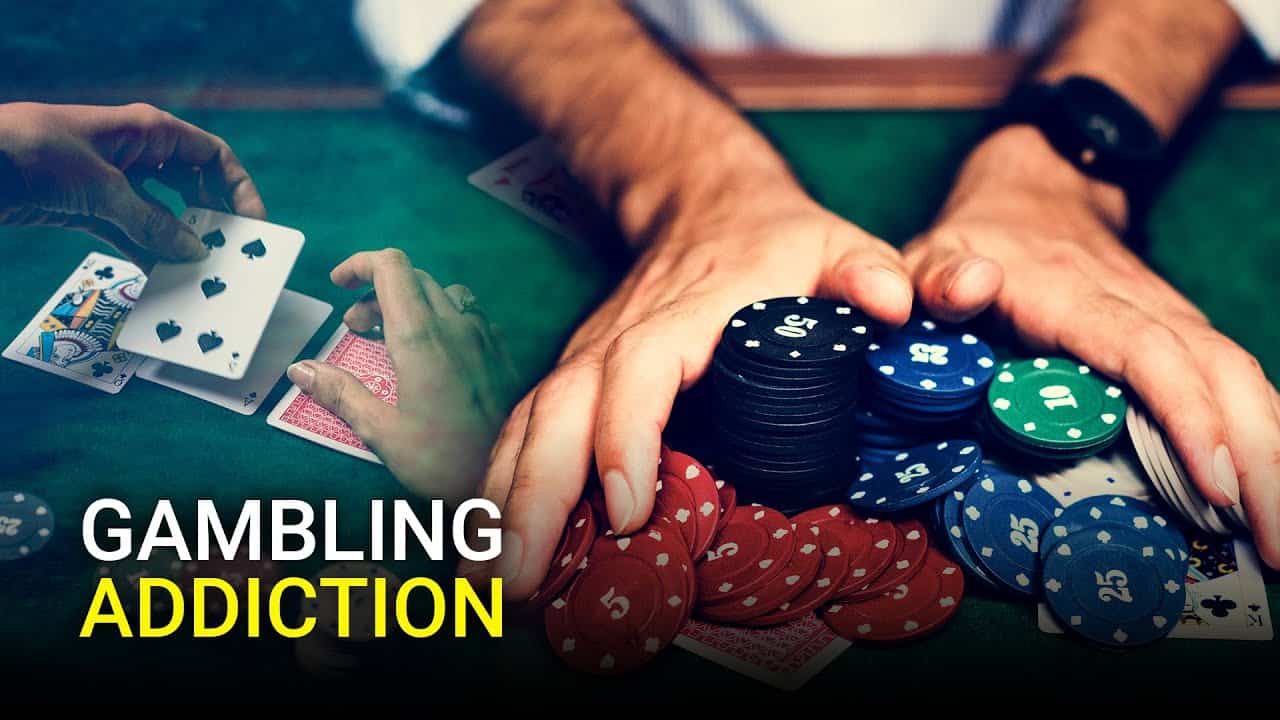 Gambling addiction is often difficult to recognize, especially in its early stages. Unlike substance addictions, the effects may not be immediately visible, and individuals struggling with problem gambling often hide their behavior out of shame or fear. Understanding the hidden signs of gambling addiction can make a critical difference in seeking help before it escalates. At APGSO-STJPO, we provide compassionate, individualized care that combines mental health treatment, holistic approaches, and faith-based support to guide individuals toward lasting recovery.
 For many people, gambling begins as a casual activity. It might be a social outing, a friendly bet, or occasional entertainment online. However, for some individuals, gambling can gradually shift from harmless recreation to a behavior that causes emotional, financial, and personal distress. Understanding how casual gambling can evolve into a compulsive pattern is essential for recognizing when help may be needed. At APGSO-STJPO, we believe that early awareness, compassionate support, and individualized care can help individuals regain control and move toward meaningful recovery.
 Gambling can begin as a fun and harmless activity, but for some individuals, it can quickly develop into a pattern of behavior that impacts mental health, relationships, and financial stability. Recognizing the early signs of problem gambling is essential to prevent further harm and take the first step toward recovery. At APGSO-STJPO, we provide compassionate, client-centered care for those struggling with gambling addiction, offering personalized programs that integrate mental health treatment, holistic approaches, and faith-based support.
 Gambling can begin as a harmless form of entertainment, but for some, it develops into a serious problem that affects mental health, finances, and relationships. Recognizing the warning signs early is critical to preventing long-term consequences and starting the journey toward recovery. At APGSO-STJPO, we provide compassionate, individualized care for people struggling with gambling addiction, integrating mental health treatment, holistic practices, and faith-based support to help clients regain control of their lives.
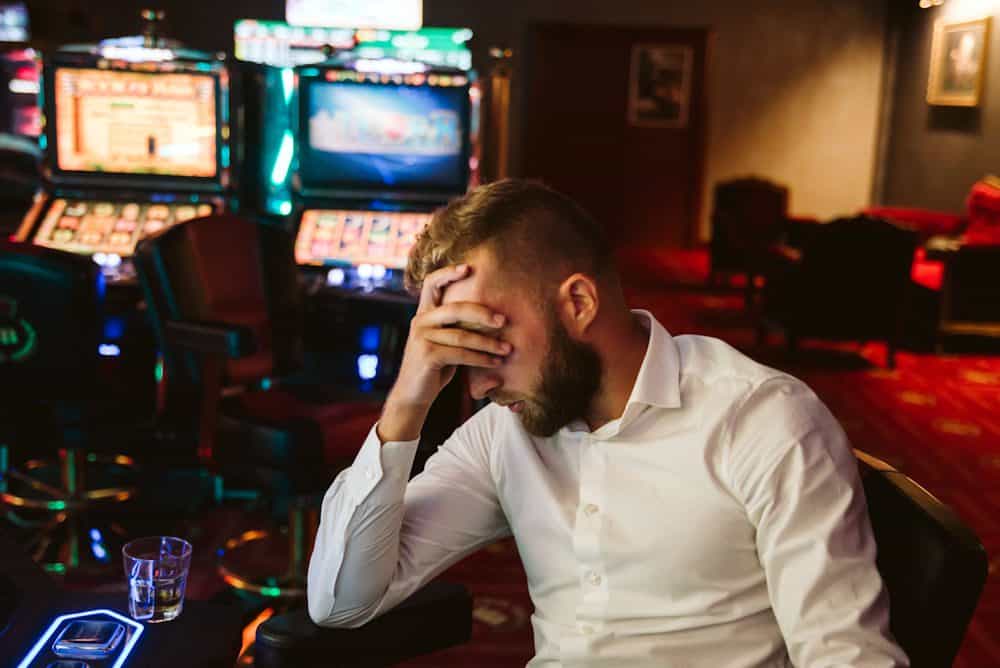 Gambling can start as a harmless activity, but for some individuals, it can develop into a serious problem with far-reaching consequences. Recognizing the early signs of gambling addiction is essential for protecting mental health, relationships, and financial stability. At APGSO-STJPO, we provide compassionate, individualized care for those struggling with gambling and other behavioral addictions, offering professional support that integrates mental health treatment, holistic approaches, and faith-based guidance.
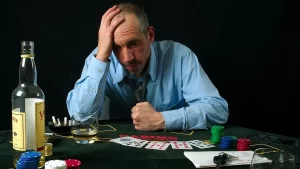 Gambling addiction often develops quietly, making it difficult to recognize until the consequences become overwhelming. What may begin as occasional entertainment can gradually turn into a pattern of behavior that affects mental health, finances, relationships, and spiritual well-being. Understanding the symptoms of gambling addiction is an important first step toward recovery. At APGSO-STJPO, we believe that awareness, compassion, and personalized care can help individuals and families regain stability and hope.
 Gambling is often seen as harmless entertainment, but for some, it can become a serious problem that affects mental health, finances, and relationships. Identifying a gambling problem early is essential for preventing long-term harm and supporting recovery. At APGSO-STJPO, we provide compassionate, individualized care for those facing gambling addiction, offering comprehensive programs that address both behavioral and mental health challenges.