
 Gambling is often promoted as harmless entertainment, offering excitement, social interaction, and the possibility of winning money. For many people, it remains an occasional pastime. However, for others, gambling can slowly become a compulsive behavior that affects emotional well being, financial stability, relationships, and overall quality of life. Because gambling addiction often develops gradually, recognizing the warning signs early is one of the most important steps toward recovery. At APGSO-STJPO, we understand that addiction is a complex health condition, not a personal failure. Through compassionate, individualized addiction recovery and mental health treatment, we help individuals overcome gambling addiction and build healthier, more fulfilling lives.
What Is Gambling Addiction?
Gambling addiction, also known as gambling disorder, is a behavioral addiction characterized by an ongoing inability to control gambling despite harmful consequences. Similar to substance use disorders, gambling addiction affects the brain’s reward system, making it increasingly difficult to stop even when financial, emotional, and personal problems begin to grow.
Unlike casual gambling, which is controlled and recreational, gambling addiction often becomes the center of a person’s daily thoughts and decisions.
Why Gambling Addiction Develops
There is rarely a single reason why someone develops a gambling addiction. Instead, several factors often work together, including:
- Emotional stress and life challenges
- Anxiety, depression, or unresolved trauma
- The excitement and anticipation associated with gambling
- Easy access to online gambling platforms
- Social environments where gambling is encouraged
For many individuals, gambling begins as a temporary escape from emotional discomfort. Over time, the brain starts associating gambling with relief or reward, making the behavior increasingly difficult to control.
Early Warning Signs of Gambling Addiction
Identifying gambling addiction early allows individuals to seek support before the consequences become more severe.
Gambling Becomes a Constant Focus
One of the first signs is spending an increasing amount of time thinking about gambling.
This may include:
- Planning future gambling sessions
- Reliving previous wins or losses
- Constantly checking sports scores or betting opportunities
- Feeling distracted from work or family responsibilities
When gambling occupies a significant amount of mental energy, it may be developing into something more serious.
Difficulty Stopping
Many individuals believe they can stop gambling whenever they choose. However, repeated unsuccessful attempts to reduce or quit gambling often indicate a growing addiction.
If gambling continues despite promises to stop, professional support may be needed.
Chasing Losses
One of the defining characteristics of gambling addiction is chasing losses.
Instead of accepting financial setbacks, individuals continue gambling in an effort to recover what they have lost. Unfortunately, this pattern frequently results in larger losses and greater emotional distress.
Emotional Warning Signs
Problem gambling affects much more than finances. Emotional well being often changes long before other consequences become obvious.
Increased Anxiety and Irritability
Individuals may become anxious when they cannot gamble or feel restless until they are able to place another bet.
Mood may become closely tied to gambling outcomes rather than everyday life.
Gambling as a Way to Escape
Some people begin gambling to avoid stress, loneliness, sadness, or frustration.
Although gambling may temporarily distract from these emotions, it often creates additional emotional challenges over time.
Feelings of Guilt and Shame
After gambling sessions, many individuals experience regret about the time or money they have spent. These feelings may lead to secrecy, isolation, and lower self esteem.
Financial Warning Signs
Financial difficulties often become one of the most noticeable indicators of gambling addiction.
Unexplained Money Problems
Warning signs may include:
- Frequent borrowing from family or friends
- Increasing credit card balances
- Missed bill payments
- Using savings to continue gambling
As financial pressure grows, individuals may feel trapped in a cycle of trying to recover their losses through additional gambling.
Hiding Financial Activity
People struggling with gambling addiction often become secretive about their spending.
They may hide bank statements, avoid conversations about money, or become defensive when questioned about finances.
Relationship and Lifestyle Changes
Gambling addiction often affects family, friendships, and daily responsibilities.
Withdrawal From Loved Ones
Individuals may spend less time with family and friends while dedicating more time to gambling.
Isolation can increase emotional distress and make recovery more challenging.
Neglecting Responsibilities
As gambling becomes more important, work performance, school responsibilities, and household obligations may begin to suffer.
Missed commitments and declining productivity are common warning signs.
The Importance of Comprehensive Treatment
At APGSO-STJPO, we recognize that gambling addiction often exists alongside mental health concerns such as anxiety, depression, trauma, or chronic stress. Successful recovery involves addressing both the addiction and its underlying causes.
Our Personalized Recovery Programs
Our comprehensive services include:
- Inpatient addiction recovery programs
- Outpatient treatment that supports ongoing daily responsibilities
- Mental health care for co-occurring conditions
- Holistic therapies that promote emotional, physical, and spiritual wellness
- Faith-based support for individuals seeking guidance through recovery
Each treatment plan is developed around the individual’s unique experiences, strengths, and recovery goals.
Recovery Begins With One Conversation
Many people hesitate to seek help because they feel embarrassed or believe they should be able to manage the problem alone. In reality, gambling addiction is a recognized medical condition that responds well to compassionate, evidence based treatment.
Reaching out early can prevent further financial hardship, strengthen relationships, improve emotional health, and create lasting positive change.
Conclusion
Gambling addiction often develops quietly, but the warning signs become easier to recognize when you know what to look for. Persistent thoughts about gambling, emotional dependence, financial strain, secrecy, and relationship difficulties all deserve careful attention. At APGSO-STJPO, we are committed to helping individuals overcome gambling addiction through individualized treatment, holistic care, and compassionate support that addresses the whole person. If gambling is beginning to take control of your life or affecting someone you care about, now is the time to seek help. Recovery is possible, and every step forward begins with the decision to ask for support.
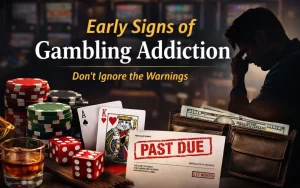 For many people, gambling starts as a form of entertainment. It may involve buying an occasional lottery ticket, placing a friendly sports bet, or visiting a casino during a vacation. While these activities can remain recreational for some, gambling can gradually evolve into a compulsive behavior that affects every aspect of a person’s life. The transition is often subtle, making it difficult to recognize when the fun has turned into a serious problem. Learning how to identify the early signs of problem gambling is an important step toward protecting your mental health and seeking support before the consequences become overwhelming. At APGSO-STJPO, we offer compassionate, individualized addiction recovery and mental health treatment that empowers individuals to achieve lasting recovery through evidence based care, holistic healing, and faith based support.
 Gambling can be an enjoyable recreational activity for many people. Whether it involves sports betting, casino games, lottery tickets, or online gambling platforms, most individuals participate without experiencing serious consequences. However, when gambling begins to consume more time, energy, and emotional attention than intended, it may be a sign of a developing addiction. Understanding the key signs of gambling addiction can help individuals and families seek support before the situation becomes more damaging. At APGSO-STJPO, we are committed to providing compassionate, individualized addiction recovery and mental health treatment that helps people reclaim control of their lives and build a healthier future.
 Gambling can begin as a simple form of entertainment, a way to relax, or a social activity shared with friends. However, for some individuals, what starts as casual betting can gradually shift into a pattern that becomes difficult to control. Gambling addiction often develops quietly, which makes early identification especially important. Recognizing the warning signs early can prevent long term emotional, financial, and relational harm. At APGSO-STJPO, we provide compassionate, individualized addiction recovery and mental health treatment designed to help individuals regain stability and move toward lasting healing.
 Gambling addiction rarely appears overnight. It often begins with small, seemingly harmless habits that gradually grow into something more difficult to control. Because the early signs can be subtle, many individuals do not realize there is a problem until it begins to affect their finances, relationships, and emotional well-being. Learning how to spot these early warning signs is one of the most effective ways to seek help sooner and prevent long term harm. At APGSO-STJPO, we provide compassionate, individualized addiction recovery and mental health treatment designed to support healing at every stage of the journey.
 Gambling often begins as a form of entertainment. Whether it is placing occasional sports bets, visiting a casino with friends, or playing online games, many people view gambling as a harmless way to relax or enjoy excitement. However, there comes a point when gambling may stop feeling fun and start becoming a source of stress, secrecy, and emotional struggle. Recognizing when gambling is shifting from casual entertainment to compulsive behavior is essential for protecting mental health and overall well-being. At APGSO-STJPO, we provide compassionate, individualized addiction recovery and mental health treatment that helps individuals regain control and move toward lasting healing.

 Gambling can begin as a harmless activity, something social or recreational that feels exciting and controlled. However, for some individuals, it can gradually shift into a pattern that becomes difficult to manage and even harder to recognize in its early stages. Identifying gambling addiction early is one of the most important steps in preventing long term emotional, financial, and relational harm. At APGSO-STJPO, we provide compassionate, individualized addiction recovery and mental health treatment designed to support healing at every stage of the journey.
 Gambling addiction often develops quietly. What may start as casual entertainment can slowly shift into a pattern of behavior that affects finances, relationships, emotional well-being, and daily functioning. Because the signs are not always obvious, many people do not realize there is a problem until it has already caused significant harm. Understanding the hidden signs of gambling addiction is an important step toward early intervention and recovery. At APGSO-STJPO, we provide compassionate, individualized addiction treatment and mental health support designed to help individuals regain stability and rebuild their lives.