
 Gambling can begin innocently. A sports wager with friends, a lottery ticket, an evening at a casino, or an online bet can feel like a simple form of entertainment. The concern arises when gambling gradually becomes more than something a person does for fun. If thoughts about betting become difficult to control, losses lead to repeated attempts to win money back, or gambling starts interfering with relationships, finances, work, or emotional health, it may be time to consider whether an addiction is developing. Recognizing the signs of gambling addiction early can make it possible to seek support before the consequences become more difficult to manage.
What Makes Gambling an Addiction?
Gambling addiction, sometimes called problem gambling or gambling disorder, involves persistent gambling behavior that becomes difficult to control despite negative consequences. It is a behavioral health concern, not simply a matter of poor judgment or a lack of willpower.
A person can have a gambling problem even if they have not experienced overwhelming financial losses. In many cases, the earliest signs appear through changes in thinking, emotions, relationships, and daily routines.
Recreational Gambling Has Boundaries
People who gamble recreationally can generally set limits and respect them. They may decide how much money they can afford to spend, accept that losing is part of gambling, and stop when they reach their limit.
With problem gambling, those boundaries can gradually disappear.
A person may start gambling more frequently, spending more money than intended, or making gambling a priority over activities that once mattered. The change can happen so gradually that neither the individual nor their loved ones immediately recognize what is happening.
Early Signs of Gambling Addiction to Watch For
Understanding the warning signs can help you identify a problem before it becomes a crisis.
Gambling Takes Up Increasing Mental Space
One of the first signs may be preoccupation with gambling.
You might notice that you are:
- Thinking about your next bet throughout the day.
- Checking betting odds repeatedly.
- Planning your schedule around gambling.
- Reliving previous wins or losses.
- Thinking about ways to find additional money to gamble.
- Feeling distracted by gambling when you should be focused on work or family.
When gambling begins occupying a significant amount of your attention, it may be moving beyond entertainment.
You Gamble More Often or Spend More
Another important sign is a gradual increase in gambling.
Perhaps a person once gambled occasionally but now does so several times a week. Maybe small wagers have become larger bets. Online gambling may also make it easier to participate privately and frequently.
The important question is not simply how much someone gambles. It is whether gambling is increasing and becoming harder to control.
You Have Tried to Stop but Keep Returning
A person may recognize that gambling is causing problems and genuinely want to cut back. However, they may repeatedly return to gambling.
This pattern matters.
Wanting to stop but being unable to maintain that decision can indicate that gambling has become more powerful than the person intended. It is not a reason for shame. Instead, it is a reason to consider professional support.
Chasing Losses Can Change Everything
Chasing losses is one of the clearest warning signs of problem gambling.
After losing money, someone may convince themselves that another bet will recover the loss. Instead of walking away, they continue gambling in the hope of returning to where they started.
Why Chasing Losses Is Dangerous
The cycle can quickly escalate.
A person loses money, feels determined to recover it, places another bet, experiences another loss, and then feels an even stronger urge to continue. Eventually, they may increase the size of their bets or take financial risks they would not normally consider.
This can result in:
- Borrowing money.
- Using credit cards to gamble.
- Spending savings.
- Missing bill payments.
- Selling possessions.
- Hiding financial activity.
- Accumulating significant debt.
The belief that one more win will solve everything can keep the cycle going.
Pay Attention to Emotional Changes
Gambling addiction affects emotional well-being as well as finances.
Gambling Becomes a Coping Mechanism
Some people gamble because they enjoy competition or excitement. Others gradually discover that gambling provides temporary relief from difficult emotions.
For example, gambling may become a way to escape:
- Stress.
- Anxiety.
- Loneliness.
- Sadness.
- Boredom.
- Frustration.
- Relationship difficulties.
Although gambling may provide temporary distraction, it does not resolve the underlying problem. In fact, gambling losses and secrecy can create additional stress and emotional distress.
Your Mood Depends on Gambling
Notice how you feel when you can gamble and when you cannot.
Someone struggling with gambling addiction may experience irritability or restlessness when unable to gamble. Wins may produce intense excitement, while losses can lead to guilt, anxiety, anger, or hopelessness.
When gambling starts influencing emotional stability, it deserves closer attention.
Secrecy Is Often a Significant Warning Sign
Gambling problems frequently become hidden before they become obvious.
Hiding the Amount You Gamble
A person may tell loved ones they gambled only a little when they actually spent much more. They may hide betting accounts, avoid financial conversations, or provide misleading explanations for missing money.
Secrecy often develops because of embarrassment or fear of judgment.
That is why compassion matters. A harsh or confrontational response can make someone withdraw further. A calm conversation focused on concern and support may create an opening for honesty.
Relationships May Begin to Change
As gambling becomes more important, relationships can suffer.
A person may:
- Cancel plans to gamble.
- Spend less time with family.
- Become defensive when questioned.
- Withdraw from social activities.
- Break promises about gambling.
- Argue with a partner about money.
- Lose trust because of repeated secrecy.
These changes are important because addiction can affect an entire family, not just the person who is gambling.
Financial Changes Can Reveal a Hidden Problem
Money problems are often among the most visible consequences of gambling addiction.
Warning signs may include unexplained withdrawals, unpaid bills, increasing debt, frequent requests for loans, or using money intended for household expenses.
However, financial difficulty is not required for gambling addiction to be present. Waiting until a person experiences severe debt can mean missing an opportunity for earlier intervention.
Gambling Addiction and Mental Health Often Overlap
Problem gambling can occur alongside mental health concerns such as anxiety, depression, trauma, and chronic stress. In some cases, emotional distress contributes to gambling. In other cases, the consequences of gambling make existing mental health challenges worse.
For that reason, effective treatment should look at the whole person rather than focusing exclusively on gambling behavior.
Understanding the Root of the Problem
Individualized addiction recovery can help explore questions such as:
- What triggers the urge to gamble?
- What emotions tend to appear before gambling?
- Has gambling become a way to escape difficult experiences?
- Are there underlying mental health concerns?
- How has gambling affected relationships?
- What healthier coping strategies could replace gambling?
Addressing these factors can make recovery more sustainable because the goal is not simply to remove gambling. The goal is to help the individual develop healthier ways to manage life.
What Comprehensive Recovery Can Look Like
There is no single treatment plan that works for everyone. The right approach depends on the individual’s needs, circumstances, mental health, support system, and recovery goals.
Inpatient and Outpatient Care
Some people may benefit from inpatient care when they need a structured environment and more intensive support. Others may benefit from outpatient treatment that allows them to continue managing work, school, family, or other responsibilities while receiving professional care.
A proper assessment can help determine which level of support is most appropriate.
Holistic and Faith Based Support
Recovery can also involve more than traditional counseling. Holistic approaches may support emotional, physical, and spiritual well-being while helping individuals develop healthier routines and coping strategies.
For people who value spirituality, faith based support can provide an additional source of meaning, hope, accountability, and connection. The most important consideration is that the approach should respect the individual’s beliefs, needs, and preferences.
When Should You Ask for Help?
You do not need to wait until gambling has caused a major financial loss or damaged an important relationship.
Consider seeking professional support if:
- You cannot reliably control how often you gamble.
- You repeatedly try to stop but return to gambling.
- You gamble to escape difficult emotions.
- You chase losses.
- You spend more money than intended.
- You hide gambling from people close to you.
- Gambling is affecting your work, school, or family responsibilities.
- You are borrowing money or accumulating debt because of gambling.
- Your mood is increasingly connected to gambling.
Even if you are unsure whether your behavior qualifies as an addiction, talking with a qualified professional can help you understand what is happening.
Recovery Starts With Recognizing the Pattern
Gambling addiction does not always arrive with an obvious crisis. It can develop quietly through increased betting, constant thoughts about gambling, unsuccessful attempts to stop, chasing losses, secrecy, emotional distress, and changes in relationships or responsibilities.
The earlier these signs are recognized, the sooner meaningful support can begin.
Most importantly, there is no need to approach gambling addiction with shame. Addiction is a complex behavioral health issue, and asking for help is a practical step toward change. Compassionate, individualized treatment can help people understand the factors driving gambling, address mental health concerns, strengthen coping skills, and rebuild areas of life that may have been affected.
If gambling is beginning to take more from your life than it gives back, consider taking that concern seriously. Reaching out for professional addiction recovery and mental health support can be the first step toward restoring stability, strengthening relationships, and building a future where your choices are no longer controlled by the next bet.
 Gambling can begin as entertainment, a social activity, or an occasional way to experience excitement. For some people, however, the line between casual gambling and a serious problem can gradually become blurred. What starts as an occasional bet may turn into frequent gambling, growing financial losses, secrecy, and an increasing inability to stop. Understanding gambling addiction and recognizing when gambling has gone too far can help individuals and families seek support before the consequences become even more serious. Recovery is possible, and recognizing the problem is often the first important step toward regaining control.
 Gambling does not always look like an addiction when the problem begins. It may start with an occasional sports bet, a lottery ticket, a casino visit, or an online wager that feels like harmless entertainment. Over time, however, gambling can become more frequent, more expensive, and more emotionally important. The changes may happen so gradually that a person does not realize how much control gambling has gained until relationships, finances, work, or mental health begin to suffer. Recognizing the warning signs of gambling addiction early can create an important opportunity to seek support, regain control, and prevent further harm. APGSO-STJPO takes a compassionate, individualized approach to addiction recovery and mental health treatment, with inpatient and outpatient care, holistic approaches, and faith-based support available as part of a comprehensive recovery journey.
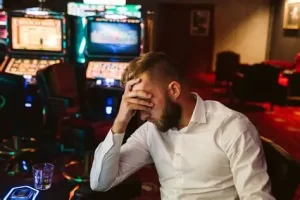 Gambling can start innocently. A friendly wager, a lottery ticket, a night at the casino, or a few sports bets may seem like harmless entertainment. The concern begins when gambling gradually becomes harder to control or starts taking priority over other parts of life. Gambling addiction often develops quietly, with small changes in behavior appearing before major consequences become obvious. Recognizing these early signs can help a person seek support before financial stress, relationship problems, and emotional distress become overwhelming. At APGSO-STJPO, a compassionate and individualized approach to addiction recovery and mental health treatment can help people understand what is driving problem gambling and develop healthier ways to cope.
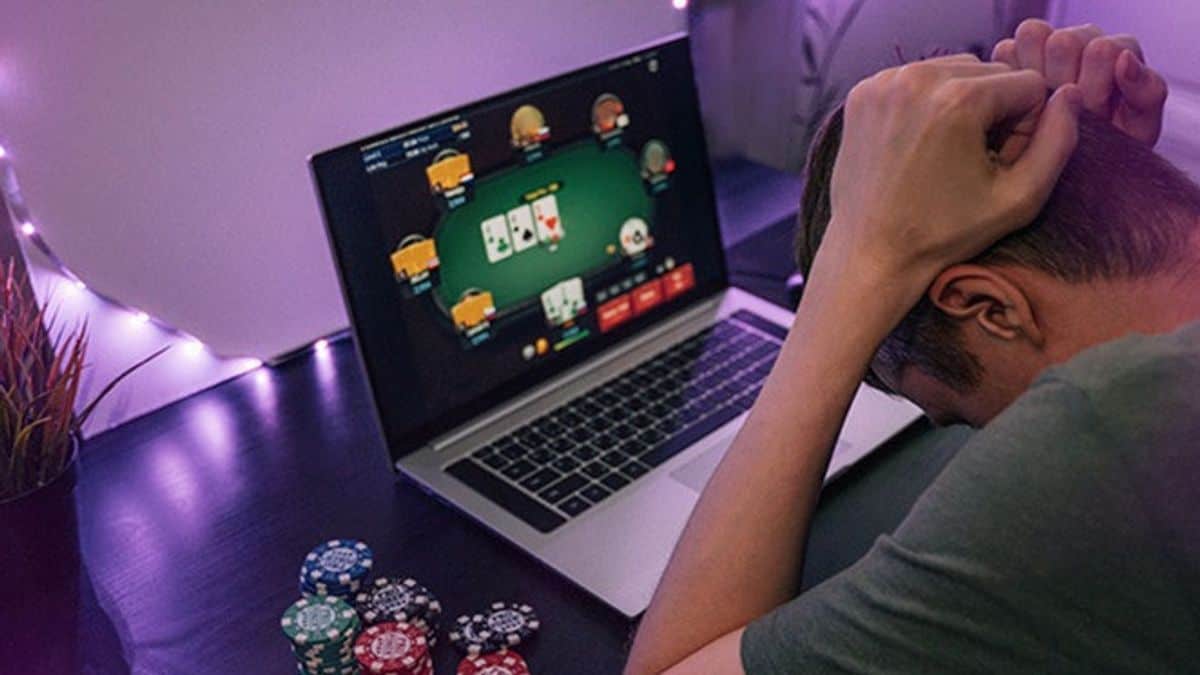 Gambling can be an enjoyable form of entertainment when it remains occasional, affordable, and within a person’s control. The concern begins when gambling starts influencing important decisions, emotional well-being, finances, relationships, or everyday responsibilities. Gambling addiction does not always announce itself through dramatic losses or an obvious crisis. Instead, the line between recreational gambling and problem gambling can be crossed gradually. Recognizing the changes early can make it possible to seek support before the consequences become more serious. For individuals and families affected by gambling addiction, compassionate addiction recovery and mental health care can provide the guidance, understanding, and personalized support needed to move toward lasting change.
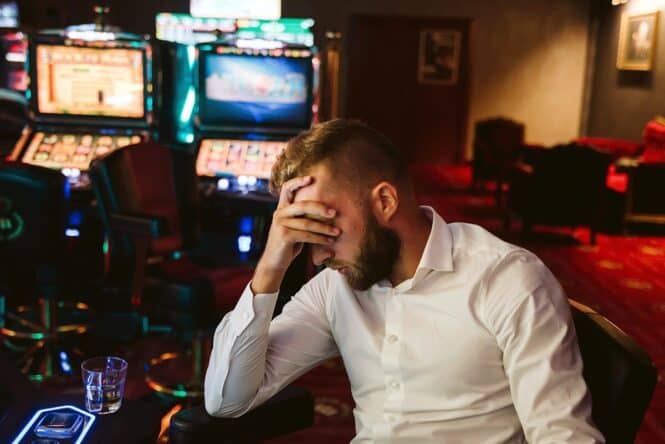 Gambling addiction rarely begins with a dramatic event. More often, it develops quietly through small changes in behavior, emotions, and daily routines that become more serious over time. A few extra bets, longer gambling sessions, or an increasing desire to recover financial losses may not seem alarming at first. However, these subtle patterns can gradually grow into a behavioral addiction that affects every area of life. Recognizing the hidden progression of gambling addiction is one of the most effective ways to seek help before the consequences become overwhelming. At APGSO-STJPO, we provide compassionate, client-centered addiction recovery and mental health treatment that addresses the whole person through individualized care, holistic therapies, and faith-based support. We believe that understanding addiction is the first step toward lasting recovery.


 What begins as an occasional bet or a night of entertainment can gradually become something much more difficult to control. Problem gambling rarely develops overnight. Instead, it often starts with subtle changes in behavior, emotions, and decision making that become more noticeable over time. Recognizing these early warning signs is one of the most effective ways to prevent gambling addiction from causing lasting harm. At APGSO-STJPO, we understand that gambling addiction is closely connected to mental health, emotional well being, and personal circumstances. Our compassionate, client-centered approach combines individualized addiction recovery, mental health treatment, holistic therapies, and faith-based support to help people find lasting hope and healing.
 Most people associate gambling addiction with severe financial loss or frequent trips to the casino. In reality, the earliest signs often appear long before these obvious consequences develop. Small changes in behavior, emotions, and daily habits can quietly signal that gambling is becoming more than just entertainment. Recognizing these early warning signs is one of the most effective ways to prevent the addiction from progressing and to seek support before lasting damage occurs. At APGSO-STJPO, we believe that recovery begins with understanding. Through compassionate, individualized addiction recovery and mental health treatment, we help people identify the root causes of gambling addiction and build a healthier path forward.