
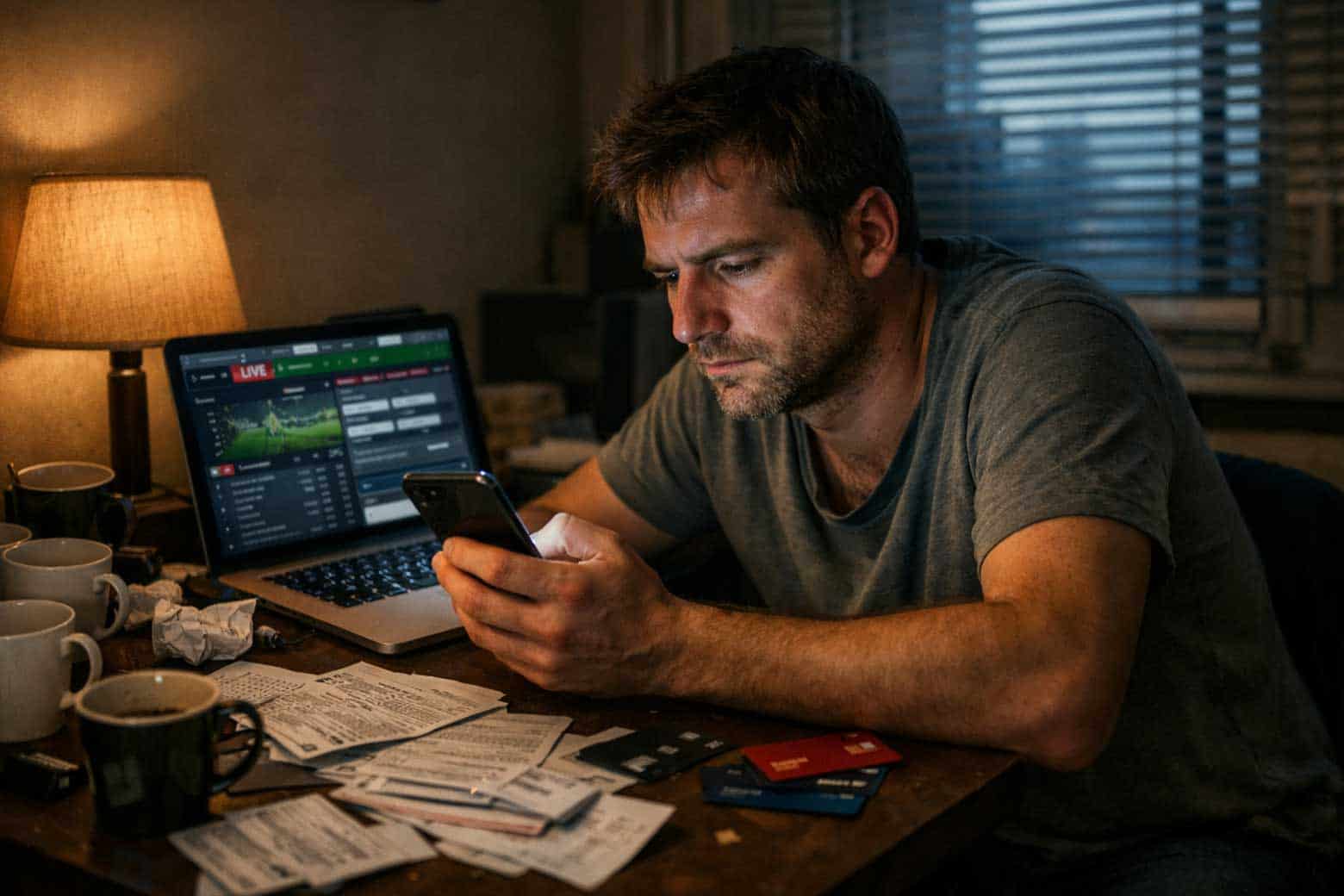
Gambling addiction does not always begin with a major financial loss or an obvious crisis. Sometimes, the first changes appear in everyday decisions. A person may start choosing gambling over family activities, spending money intended for other needs, or planning their day around the next opportunity to place a bet. These changes can develop gradually, making them difficult to recognize. Understanding how gambling begins to influence personal choices is an important step toward identifying a potential problem and finding the right support.
How Gambling Can Influence Everyday Decisions
Occasional gambling does not automatically mean someone has an addiction. However, concern grows when gambling becomes a priority and begins interfering with responsibilities, relationships, or personal goals.
As gambling becomes more frequent, decisions may increasingly revolve around the possibility of winning. Someone might postpone paying a bill to keep money available for betting, turn down social invitations to gamble, or spend time thinking about how to recover previous losses.
These choices can seem manageable at first. Over time, however, they may create financial pressure, emotional distress, and conflict with people who care about the individual.
When Short-Term Rewards Take Priority
Gambling offers the possibility of an immediate reward. The anticipation of winning can make it difficult to consider longer-term consequences, especially when someone is experiencing stress or emotional difficulties.
For example, a person may know that saving money is important but still use their available funds to gamble. They might also make repeated promises to stop, only to return when the excitement or urge becomes difficult to resist.
When immediate gambling opportunities consistently outweigh important responsibilities, it may be time to examine the underlying behavior.
When Decisions Become Driven by the Need to Recover Losses
Chasing losses is another pattern associated with problem gambling. After losing money, a person may believe that another bet will help recover what was spent.
Unfortunately, this thinking can lead to increasingly risky decisions. Instead of accepting a loss, the individual may gamble more money, borrow from others, or use funds intended for essential expenses.
Recognizing this pattern early can help prevent further financial and emotional harm.
Six Changes That May Signal Gambling Is Affecting Your Choices
Gambling-related problems can appear differently from one person to another. Still, certain behavioral changes may indicate that gambling is becoming difficult to control.
1. You Regularly Spend More Than You Planned
Setting a gambling budget but repeatedly exceeding it can be a warning sign. You may begin with a specific amount in mind, only to continue spending because you believe another bet could produce a better result.
Over time, this behavior can affect savings, household expenses, and financial security.
2. You Make Plans Around Gambling
You might arrange your schedule around sporting events, casino visits, online betting opportunities, or other gambling activities. Work, family commitments, and personal interests may gradually receive less attention.
When gambling becomes the deciding factor in how you spend your time, it deserves closer attention.
3. You Hide Financial or Gambling Decisions
Secrecy can develop when someone feels embarrassed, guilty, or worried about how others might react. You may avoid discussing losses, minimize how much time you spend gambling, or conceal transactions.
Although hiding the behavior may temporarily reduce uncomfortable conversations, it can increase isolation and make it harder to receive support.
4. You Gamble When Experiencing Difficult Emotions
Some people use gambling to escape anxiety, sadness, loneliness, frustration, or stress. The activity may provide temporary excitement or distraction, but the relief often does not last.
If gambling becomes your main response to uncomfortable emotions, it may be connected to deeper mental health concerns that deserve attention.
5. You Ignore Important Responsibilities
Missing appointments, delaying bills, losing sleep, or neglecting work and family responsibilities may indicate that gambling is taking up too much space in your life.
These changes can affect relationships and create problems that become increasingly difficult to manage without support.
6. You Struggle to Follow Through on Decisions to Stop
You may genuinely want to reduce or stop gambling but find yourself returning to it despite repeated attempts. This can be especially frustrating when you understand the consequences but feel unable to change the pattern.
Difficulty controlling gambling is not simply a matter of poor discipline. Gambling disorder is a recognized behavioral health condition that can involve powerful urges, emotional triggers, and repeated behavior despite harmful consequences.
The Connection Between Gambling Addiction and Mental Health
Gambling behavior and mental health can influence one another. Anxiety, depression, unresolved trauma, and ongoing stress may contribute to unhealthy gambling patterns. At the same time, financial losses, secrecy, and relationship difficulties can intensify emotional distress.
This creates a cycle that can be difficult to break without appropriate help.
Gambling as an Emotional Escape
For some individuals, gambling becomes a way to temporarily avoid painful thoughts or feelings. The anticipation of a possible win can provide a distraction from personal problems.
However, when the activity ends, the original concerns often remain. Additional losses may introduce new worries, increasing the desire to escape through gambling again.
Understanding these emotional triggers is an important part of recovery. Treatment can help individuals identify what drives the behavior and develop healthier ways to respond to stress and difficult experiences.
Why Individualized Mental Health Support Matters
There is no single explanation for why someone develops a gambling problem. Personal history, emotional health, financial circumstances, relationships, and other factors can all play a role.
An individualized treatment approach considers these influences rather than focusing only on stopping the gambling activity. Professional support may address anxiety, depression, trauma-related concerns, and other challenges that contribute to the behavior.
Practical Steps to Regain Control of Your Decisions
Recognizing that gambling is influencing your choices is a meaningful first step. Taking practical action can help reduce immediate risks while creating space for longer-term recovery.
Consider the following strategies:
- Review your gambling habits: Track how much time and money you spend, along with the situations and emotions that lead you to gamble.
- Protect essential finances: Prioritize housing, food, utilities, and other necessary expenses. Consider asking a trusted person to help establish financial safeguards.
- Reduce access to gambling: Explore self-exclusion programs, account restrictions, blocking tools, and limits offered by gambling platforms.
- Rebuild healthy routines: Make time for exercise, hobbies, social activities, and interests that do not involve gambling.
- Talk to someone you trust: Honest conversations can reduce secrecy and help you feel less isolated.
- Seek professional guidance: A qualified mental health or addiction professional can help assess your situation and recommend suitable treatment.
These steps can support change, but they are not a substitute for professional care when gambling feels difficult to control.
How Addiction Treatment Can Support Gambling Recovery
Professional treatment can help individuals understand their gambling behavior, address contributing mental health concerns, and develop practical strategies for lasting change.
Depending on personal needs and the severity of the problem, recovery support may include inpatient or outpatient care.
Inpatient Treatment
Inpatient treatment provides a structured environment where individuals can focus on recovery away from everyday pressures and gambling-related triggers.
This level of care may be appropriate for people experiencing significant disruption to their daily lives or those who need more consistent professional support. Treatment can address behavioral patterns, emotional health, coping skills, and personal responsibilities.
Outpatient Treatment
Outpatient care allows individuals to receive professional support while continuing to manage work, family, and other commitments. Therapy and scheduled treatment sessions can help people identify triggers, strengthen decision-making skills, and maintain progress in their everyday environments.
The appropriate level of care depends on an individual’s circumstances and should be determined with qualified professionals.
Holistic and Faith-Based Approaches
Recovery involves more than changing one behavior. It can also mean rebuilding emotional stability, personal confidence, relationships, and a sense of purpose.
Holistic approaches may incorporate healthy routines, stress management, physical activity, and other supportive practices alongside appropriate clinical treatment. For individuals who value spirituality, faith-based support can also provide encouragement, reflection, and a meaningful source of connection.
These approaches can complement professional addiction and mental health treatment as part of an individualized recovery plan.
Take the First Step Toward Healthier Decisions
When gambling starts influencing financial choices, daily routines, relationships, and emotional well-being, it is important to take those changes seriously. You do not need to wait for a major crisis before asking for help. Recognizing the problem early can create opportunities to prevent further harm and begin rebuilding a healthier life.
Recovery is possible, even if previous attempts to stop gambling have been unsuccessful. With appropriate addiction treatment, mental health support, and a plan built around individual needs, people can learn to manage urges, address emotional triggers, and make decisions that support their long-term well-being.
If gambling is affecting your choices or someone you care about, consider reaching out to APGSO-STJPO to explore available recovery support. Taking that first step can help you move toward greater stability, healthier relationships, and a future no longer controlled by gambling.