
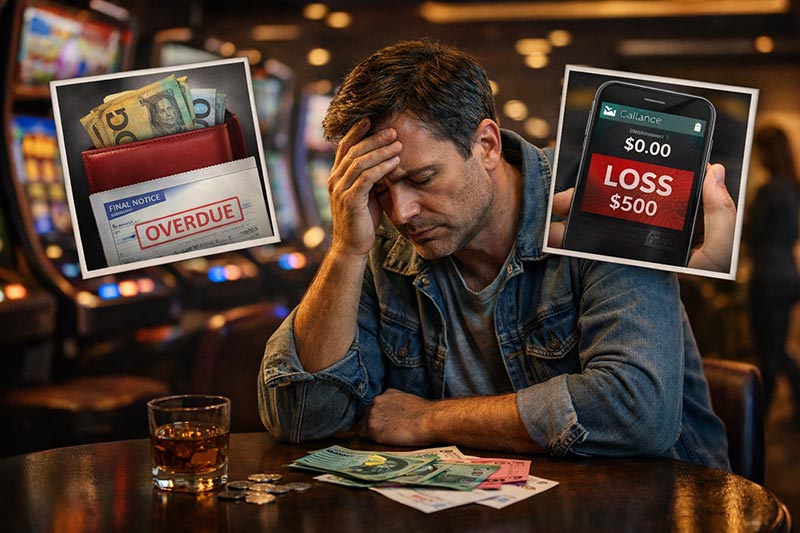
 Gambling habits can reveal more about a person’s well-being than the amount of money they spend or the time they devote to betting. Sometimes, gambling becomes a way to manage stress, escape difficult emotions, cope with loneliness, or regain a sense of control during uncertain times. What may begin as occasional entertainment can gradually become an unhealthy pattern that affects mental health, relationships, finances, and everyday responsibilities. Understanding what drives gambling behavior is an important step toward recognizing a potential problem and finding the right support.
Gambling Habits Can Reflect More Than a Desire to Win
For many people, gambling starts as a recreational activity. Placing a bet or playing a game may provide excitement and temporary enjoyment. However, when gambling becomes a regular response to emotional discomfort, it may point to deeper concerns.
Consider what happens before you gamble. Do you place bets because you feel bored, anxious, frustrated, or overwhelmed? Do you turn to gambling after an argument or a difficult day at work? These patterns can offer valuable insight into your emotional needs.
Gambling does not automatically indicate a mental health condition. However, repeated gambling as a way to manage uncomfortable feelings may suggest that healthier coping strategies are needed.
What Your Gambling Patterns May Be Telling You
Recognizing the reasons behind gambling behavior can help you understand whether it is affecting your overall well-being.
1. You May Be Using Gambling to Escape Stress
Stress is a common reason people seek temporary distractions. Gambling can create excitement and shift attention away from personal problems, financial pressure, or emotional difficulties.
The challenge is that the relief rarely lasts. Once the game ends, the original problem may remain, sometimes accompanied by financial losses or guilt.
If you regularly gamble to forget about stress, consider what other activities could help you manage difficult emotions. Physical activity, talking with someone you trust, mindfulness exercises, and professional counseling can provide healthier ways to respond.
2. You May Be Struggling With Anxiety or Emotional Distress
Anxiety can make uncertainty difficult to tolerate. For some individuals, gambling creates a temporary sense of anticipation or excitement that distracts from persistent worries.
However, gambling can also increase anxiety. Financial losses, secrecy, relationship tension, and fear of being discovered can create additional emotional pressure.
Pay attention to changes in your mood before and after gambling. If you feel restless when you cannot place a bet or become unusually upset after losing, these reactions may deserve attention from a mental health professional.
3. You May Be Seeking Control or Validation
Gambling can create the impression that one successful decision will solve several problems at once. Someone experiencing financial insecurity or low self-confidence may begin to view a potential win as proof that they can turn things around.
This belief can make it difficult to stop, especially after losses. Chasing money that has already been lost may become a repeated behavior, even when the financial consequences are becoming serious.
It is important to remember that gambling outcomes are not a reliable measure of intelligence, personal worth, or ability. Building confidence through realistic goals, supportive relationships, and professional guidance offers a more stable foundation.
4. You May Be Feeling Disconnected From Other People
Gambling can gradually take priority over family time, friendships, hobbies, and other meaningful activities. Some people begin hiding how much they gamble or avoid conversations about money.
This secrecy can increase isolation. At the same time, strained relationships may create emotional distress that makes gambling feel even more appealing.
If gambling is causing you to withdraw from people who matter, consider this an important warning sign. Rebuilding trust often begins with honest conversations, clear financial boundaries, and support from qualified professionals.
The Connection Between Gambling Addiction and Mental Health
Gambling disorder is a recognized behavioral addiction. It involves persistent difficulty controlling gambling despite harmful consequences.
Mental health and gambling problems can influence each other. Anxiety, depression, trauma, and chronic stress may contribute to unhealthy gambling patterns. In other cases, the consequences of gambling can worsen existing emotional difficulties.
For example, someone who experiences depression may gamble to feel excitement or temporarily escape negative thoughts. However, mounting debt and relationship problems can deepen feelings of hopelessness.
This is why effective treatment should consider more than gambling behavior alone. A qualified provider can assess emotional health, personal circumstances, possible co-occurring conditions, and the factors that make gambling difficult to control.
Practical Ways to Understand and Change Your Gambling Habits
Recognizing a pattern is an important beginning. The next step is taking practical action to protect your well-being.
Identify Your Personal Triggers
Keep track of when you feel the urge to gamble. Notice whether certain emotions, environments, people, or situations make the urge stronger.
You might discover that gambling becomes more tempting when you are alone, experiencing financial pressure, or feeling disappointed. Understanding these triggers can help you prepare healthier responses.
Establish Clear Financial Boundaries
If gambling is affecting your finances, take steps to limit access to money used for betting. Consider asking someone you trust to help you review expenses, manage essential payments, or establish safeguards.
You can also explore available gambling self-exclusion programs and blocking tools. These measures can reduce opportunities to gamble while you work on longer-term recovery.
Replace Gambling With Meaningful Activities
Simply deciding to stop gambling may not address the emotional needs that gambling once fulfilled. It helps to build a routine that includes activities offering enjoyment, connection, and a sense of achievement.
Consider exercise, creative interests, volunteering, social activities, or spiritual practices if they are meaningful to you. These experiences can help restore balance and create healthier ways to respond to stress.
Reach Out Before the Consequences Become Worse
You do not need to wait until gambling causes a major financial or relationship crisis before seeking help. If you repeatedly struggle to stop, hide your behavior, or gamble despite negative consequences, professional guidance can help you understand what is happening.
How Individualized Treatment Can Support Gambling Recovery
Recovery is not the same for everyone. The most appropriate approach depends on the severity of gambling behavior, mental health needs, personal history, and available support.
At APGSO-STJPO, treatment can be understood through an individualized approach that considers addiction recovery and mental health together.
Inpatient and Outpatient Care
Inpatient treatment may be appropriate for individuals who need a structured environment and more intensive support. It can provide an opportunity to step away from everyday pressures while focusing on recovery.
Outpatient care allows individuals to receive professional support while continuing to manage responsibilities at home, work, or school. The right level of care should be determined through an appropriate assessment.
Mental Health and Holistic Support
Addressing anxiety, depression, stress, and other emotional concerns can be an important part of gambling recovery. Counseling and other appropriate therapeutic approaches can help individuals recognize triggers, develop healthier coping skills, and improve emotional regulation.
Holistic support may also incorporate healthy routines, physical activity, mindfulness, and meaningful personal interests. These practices can complement professional treatment and help strengthen overall well-being.
Faith-Based and Individualized Approaches
For people who want spirituality included in their recovery, faith-based support may provide encouragement, purpose, and a sense of connection. It can be incorporated alongside appropriate clinical care.
Most importantly, treatment should respect each person’s circumstances, values, and goals. Recovery is not about judgment. It is about understanding the underlying difficulties and developing a realistic path toward healthier choices.
Your Gambling Habits Do Not Define Your Future
Your relationship with gambling may reveal important information about your emotional health, stress levels, and personal needs. Recognizing these patterns does not mean you have failed. It means there may be areas of your life that deserve attention and support.
If gambling is affecting your finances, relationships, mental health, or ability to enjoy everyday life, consider reaching out for professional help. You do not have to manage the situation alone or wait until things become more difficult.
APGSO-STJPO recognizes the importance of individualized addiction recovery and mental health support. With appropriate treatment, practical coping strategies, and a reliable support system, it is possible to regain control and build a healthier routine.
The first step does not have to be dramatic. It can begin with an honest conversation, a professional assessment, or a decision to ask for help. Your well-being matters more than the next bet, and a healthier future is worth pursuing.